



















BNPL Hidden Costs: Consumer Protection Guide
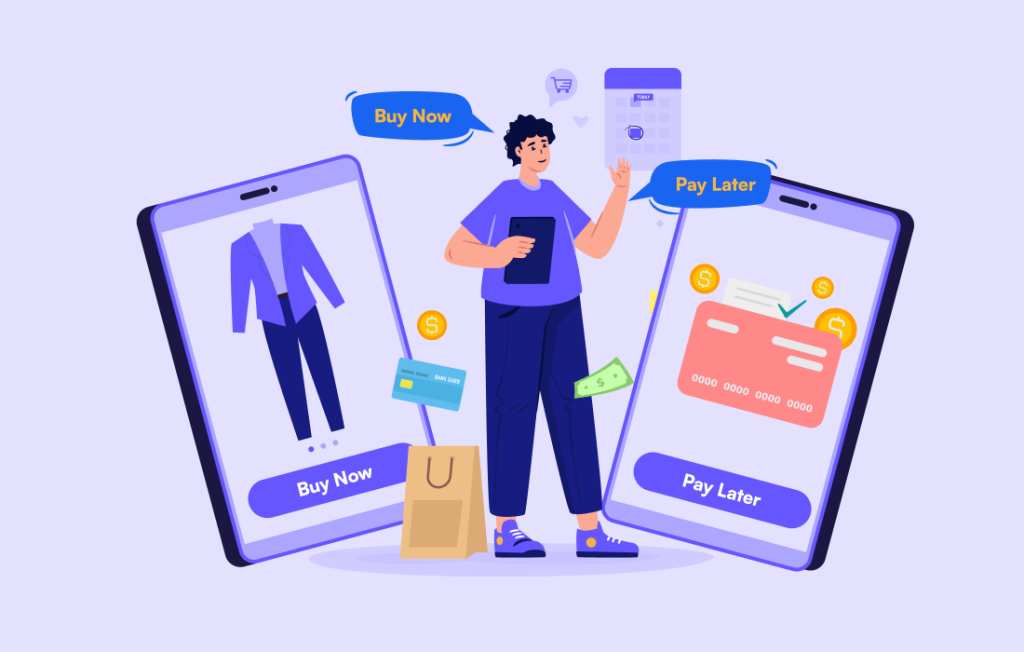
The Hidden Costs of Buy Now, Pay Later: What Consumers Don’t See
The Buy Now, Pay Later industry has exploded to over $100 billion globally, with one in three consumers using these services for purchases ranging from clothing to electronics. While BNPL platforms market themselves as convenient, fee-free alternatives to traditional credit, the reality involves complex cost structures and financial risks that many consumers fail to recognise until they face serious consequences. The apparent simplicity of BNPL transactions masks sophisticated business models designed to generate substantial revenue through methods that aren’t immediately obvious to users.
Consumer advocacy groups increasingly warn about the psychological manipulation tactics employed by BNPL services, which exploit cognitive biases to encourage overspending and create dependency patterns similar to those seen in other industries focused on rapid gratification. The seamless integration of BNPL options into online checkout processes removes traditional friction points that historically gave consumers time to reconsider purchases, leading to impulsive financial decisions with long-term implications.
The entertainment and gambling industries have recognised similar patterns in consumer behaviour, where platforms offering immediate access and delayed consequences can create problematic usage patterns. Online gaming sites such as syndicate casino login systems implement sophisticated player tracking and behavioural analysis to understand how instant gratification appeals influence spending decisions, payment method preferences, and session duration patterns. These gambling platforms utilise similar psychological principles as BNPL services, offering immediate access to gaming experiences while deferring the financial reality through credit-based deposits, promotional offers, and loyalty programs that obscure the true cost of participation until players review their spending history.
Understanding the BNPL Business Model
BNPL companies generate revenue through multiple streams that extend far beyond the obvious transaction fees charged to merchants. While consumers see “no interest” marketing messages, these services collect substantial merchant fees ranging from 2% to 8% of transaction values, costs that retailers often pass back to consumers through higher product prices. This hidden subsidy means that even cash customers indirectly pay for BNPL convenience through elevated baseline pricing.
Data monetisation represents another significant revenue source that consumers rarely consider when agreeing to BNPL terms. These platforms collect detailed purchasing behaviour information, spending patterns, and demographic data that they sell to marketing companies, retailers, and financial institutions. The value of this consumer data often exceeds the direct transaction revenue, making users the product being sold rather than the customer being served.
Late payment fees constitute the most profitable revenue stream for many BNPL providers, with industry reports indicating that penalty charges can account for 15-25% of total revenue. These fees often escalate rapidly, with initial charges of $10-15 potentially growing to $50-100 for a single missed payment through multiple penalty layers and administrative charges that compound over time.
Late Payment Fees and Penalty Structures
The fee structures employed by BNPL services often prove more expensive than traditional credit cards when payment schedules are missed, despite marketing claims about affordability and consumer-friendly terms. Initial late fees may appear modest, but the cascading effect of missed payments can create debt spirals that trap consumers in cycles of increasing financial obligation.
Most BNPL platforms impose immediate penalties for missed payments, typically ranging from $10 to $25 for the first offence. However, these initial charges often trigger additional fees, including account suspension charges, payment processing fees, and collection costs that can multiply the original penalty several times over within weeks of the initial missed payment.
The acceleration of payment schedules following missed payments creates additional pressure on consumers who may already be experiencing financial stress. Many BNPL agreements include clauses that make entire balances immediately due upon default, transforming manageable instalment payments into lump-sum obligations that exceed most consumers’ immediate capacity to pay.
Credit Score Implications and Long-term Consequences
While BNPL companies often claim their services don’t affect credit scores, the reality involves complex reporting practices that can impact consumers’ creditworthiness in unexpected ways. Some platforms report positive payment history to credit bureaus while others only report negative information, creating asymmetric risk profiles that disadvantage consumers compared to traditional credit products.
The increasing integration of BNPL data into credit assessment algorithms means that excessive use of these services can signal financial distress to lenders, potentially affecting approval rates and interest terms for mortgages, car loans, and other significant financial products. Credit scoring models increasingly consider total debt obligations, including BNPL commitments, when evaluating borrowing capacity and risk profiles.
Local financial institutions and credit providers are adapting their assessment criteria to account for BNPL usage patterns, recognizing that multiple concurrent BNPL obligations can indicate overextension even when individual payments remain current. This shift particularly affects younger consumers who rely heavily on BNPL services and may find their credit options limited when seeking traditional financing for major purchases.
Many consumers seek entertainment and gaming experiences that offer immediate gratification without upfront costs, similar to the BNPL appeal in retail contexts. Online gaming platforms provide various promotional structures, including opportunities to access premium features without paying initial deposits, though these offers typically require eventual financial commitment through wagering requirements or subscription conversions that mirror BNPL deferred payment structures.
Psychological Manipulation and Spending Behaviours
BNPL services deliberately exploit cognitive biases, including present bias, where consumers heavily discount future costs in favour of immediate benefits, and the pain of payment reduction that occurs when financial consequences feel distant or abstract. These psychological manipulations encourage spending levels that consumers would typically avoid if confronted with immediate full payment requirements.
The framing of BNPL as “splitting” purchases rather than borrowing money creates mental accounting errors where consumers underestimate the total cost and overestimate their ability to meet future payment obligations. This linguistic manipulation makes debt feel like budgeting, reducing the psychological barriers that normally govern prudent financial decision-making.
Gamification elements within BNPL apps, including spending streaks, payment badges, and upgrade incentives, create engagement patterns that encourage increased usage and higher transaction values. These features mirror successful addiction models from gaming and social media platforms, using intermittent reinforcement schedules to maintain user engagement and spending momentum.
The following psychological tactics commonly employed by BNPL platforms increase spending risk:
- Urgent scarcity messaging is creating artificial time pressure for purchases
- Social proof indicators showing the popularity or trending status of items
- Default opt-in settings for automatic payment increases and credit limit expansions
- Personalised spending recommendations based on browsing and purchase history
- Reward systems that incentivise higher spending volumes and frequency
- Integration with social media platforms encourages impulsive social commerce
Regulatory Gaps and Consumer Protection Issues
Current regulatory frameworks in many jurisdictions fail to address BNPL services with the same scrutiny applied to traditional credit products, creating protection gaps that leave consumers vulnerable to predatory practices. The classification of BNPL as payment processing rather than lending allows these services to avoid many consumer protection requirements, including income verification, affordability assessments, and cooling-off periods.
The absence of standardised disclosure requirements means that consumers often struggle to compare BNPL options or understand the true cost of different services. Unlike credit cards or personal loans, BNPL agreements may not clearly present total payment amounts, effective interest rates, or comprehensive fee schedules in comparable formats that enable informed decision-making.
Dispute resolution processes for BNPL services often favour the service provider rather than consumers, with limited recourse for billing errors, merchant disputes, or service failures. The speed of BNPL transactions can complicate refund processes and create situations where consumers remain liable for payments on returned or defective products while disputes undergo resolution.
Alternative Financial Products and Risk Comparison
Traditional credit cards offer significantly more consumer protection than BNPL services, including dispute resolution rights, fraud protection, and regulated disclosure requirements that provide transparency about costs and terms. Credit cards also typically offer grace periods, minimum payment options, and established procedures for financial hardship that BNPL services may not provide.
Personal loans from banks or credit unions often provide better terms than BNPL for larger purchases, with fixed payment schedules, regulated interest rates, and comprehensive consumer protection coverage. These traditional products may require more application effort but offer greater predictability and protection for consumers who qualify.
| Financial Product | Consumer Protection | Cost Transparency | Flexibility | Credit Impact |
| BNPL Services | Limited | Poor | High | Variable |
| Credit Cards | High | Regulated | High | Positive/Negative |
| Personal Loans | High | Excellent | Low | Positive/Negative |
| Layaway Programs | Medium | Good | Low | None |
| Store Credit | Medium | Fair | Medium | Variable |
Emergency fund development and budget planning provide more sustainable approaches to managing irregular expenses than relying on BNPL services for routine purchases. Financial advisors increasingly recommend building payment discipline through cash-based budgeting before considering any form of consumer credit.
Making Informed Decisions About BNPL Services
Due diligence for BNPL services should include careful review of fee schedules, payment terms, and dispute resolution procedures before making first purchases. Consumers should specifically investigate late payment consequences, account suspension policies, and credit reporting practices to understand potential long-term implications of service usage.
Red flags include BNPL providers that don’t clearly disclose fees, require immediate additional purchases for account maintenance, or use aggressive marketing tactics that pressure quick decision-making. Services that don’t provide clear contact information, dispute resolution procedures, or transparent terms of service should be avoided entirely.
Financial planning considerations for BNPL usage include setting strict spending limits, maintaining emergency funds for payment obligations, and regularly reviewing total debt commitments across all BNPL platforms. Consumers should treat BNPL obligations with the same seriousness as other debt commitments and factor these payments into comprehensive budget planning to avoid overextension and potential financial distress.