

















From Hobby to Hustle: A Beginner’s Guide to Earning While You Game
Gamification of life has developed a lot, and now it is not only a way to rest after a tiring day but also a path leading to fun. For a lot of people, gaming is now in the middle of the fun and focus triangle, also involving skills, timing, and patience. In particular, online games have drawn in players who, like moths to a flame, spend hours crafting strategies, getting to know the system, and polishing their skills. Gradually, this steady and low-key effort leads players to the earnings that are already there but feel more like a natural flow than a forced path. Gaming has come to be seen as a source of income, but this does not happen all at once; rather, it progresses through the player’s comprehension of how the gaming industry mixes entertainment with smart digital choices.
Growth of online gaming communities
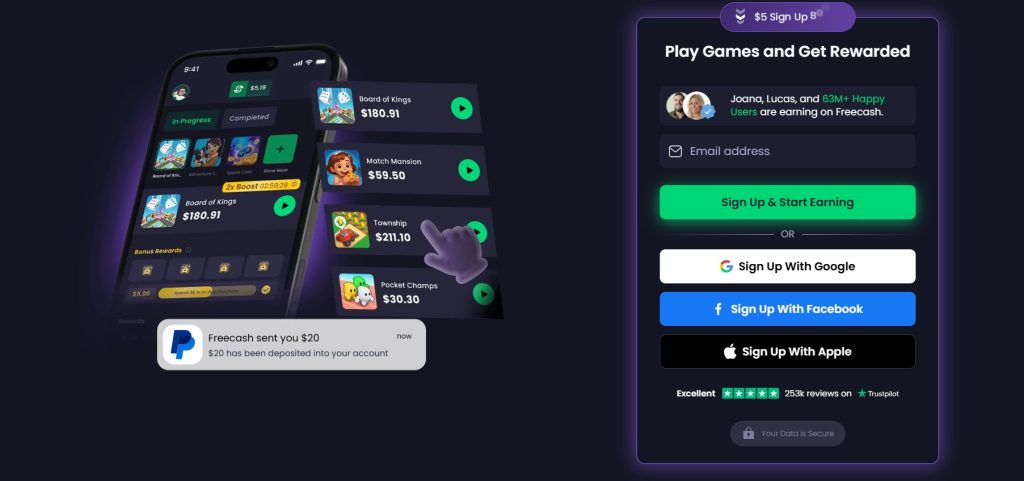
The growth of online gaming communities opened up new avenues for players to monetize their time. While some people just casually look for ways to benefit from their gaming time, others take it very seriously and treat it as an investment where they have to play for a certain time before they can get the return on their investment. A large number of gamers in this transition are seeking the easiest possible ways to get in, such as to play free online games to earn money without the need for expensive equipment or deep technical knowledge. This concept is very attractive as it doesn’t spoil the fun, and yet every session is imbued with a sense of purpose.
Understanding the earning mindset
Before thinking about income, it helps to adjust how you approach games. Earning through gaming is less about nonstop play and more about consistency and learning patterns. Players who succeed often track progress, notice trends, and stay patient.
- Treat gaming time like a routine, not a gamble
• Focus on improving skills instead of chasing quick wins
• Learn the rules and reward systems carefully
This mindset keeps frustration low and motivation steady.
Choosing the right game type
Not every game fits earning goals. Some reward strategies and time investment, while others depend more on chance. Beginners usually do better with games that value consistency over speed.
- Skill-based games that reward practice
• Games with clear reward structures
• Platforms with active communities and support
Picking the right type reduces burnout and confusion early on.
Managing time without pressure
One common mistake is trying to earn too fast. This can turn gaming into stress instead of enjoyment. Setting clear time limits helps maintain balance.
Short, focused sessions often work better than long, unfocused ones. This approach also keeps gaming enjoyable, which matters if you plan to stick with it long term.
Building small wins into habits
Earning while gaming often starts with small results. These early wins matter because they build confidence. Over time, habits form around smart choices and steady play.
- Track small earnings to see progress
• Learn from losses without overthinking
• Adjust strategies gradually
These habits grow quietly but create strong foundations.
Growing beyond the beginner stage
As skills improve, players often explore advanced features, challenges, or community events. This growth stage feels rewarding because effort starts matching results. Learning is not a process that ceases to exist but rather a process that becomes more delightful.
At this juncture, many gamers reconsider to play free online games to earn money, and this time they come with clearer objectives and better discernment.
Gaming does not need to be tedious to contribute to personal growth. Patience and mindfulness turn it into a win-win situation: fun and money. The secret is not going too far, learning constantly, and apple-picking the most comfortable paths. What was once a mere pastime can often, over the years, turn into a significant experience without losing the original delight that made the gaming world attractive in the first place.