
















How Combat Sports Journalists Are Using AI Tools to Work Faster
Introduction: The Pressure to Publish Faster Has Never Been Higher
Combat sports journalism is one of the most demanding beats in the media industry. Whether it’s a late-night UFC card that goes five rounds, a Saturday afternoon boxing undercard with 10 bouts, or a mid-week MMA press conference that runs two hours over schedule, journalists covering this space are expected to file accurate, engaging, and SEO-optimized content almost in real time. Deadlines don’t care about overtime decisions or post-fight drama. Editors want copy, and they want it fast.
This is exactly why AI writing and editing tools have found a natural home in combat sports media. Over the past two years, reporters, bloggers, and independent fight journalists have quietly integrated artificial intelligence into their workflows — not to replace their voices, but to dramatically accelerate how quickly they can publish polished, readable content. From generating first drafts of post-fight recaps to cleaning up rushed fight-night notes into publishable prose, AI is reshaping how sports media operates.
In this article, we break down exactly how combat sports journalists are using AI tools, which workflows are benefiting the most, and why producing clean, natural-sounding content at speed is becoming a non-negotiable skill in the sports media space.
The Unique Demands of Combat Sports Coverage
Unlike team sports with scheduled weekday games, combat sports operate on a punishing, unpredictable calendar. Fight cards are announced weeks or months in advance, but the actual event can last anywhere from two hours to nearly six — with finishes, controversies, and unexpected upsets happening at any moment.
Journalists on the beat typically have to manage:
- Live fight-by-fight scoring and note-taking during events
- Real-time social media coverage and Twitter/X updates
- Interview transcription from post-fight press conferences
- SEO-optimized recaps and results articles filed within the hour
- Analysis pieces, opinion columns, and follow-up content in the days after
- Fighter profile updates and ranking adjustment articles
This volume of output — often produced by a single writer or a tiny team — is why AI tools are not just convenient but increasingly necessary.
How AI Is Being Used in the Combat Sports Newsroom
1. Turning Raw Fight Notes Into Polished Recaps
During a live event, a journalist’s notes can look like organized chaos. Abbreviated fighter names, shorthand for strikes (“jab-cross-hook-miss, TD attempt stuffed, ref warns for eye poke”), and timestamps scrawled in the dark — these are the raw materials of fight coverage.
AI drafting tools allow journalists to paste these notes directly into a prompt and receive a structured, readable article draft in seconds. The writer then steps in to add their perspective, verify facts, inject personality, and adjust tone. What previously took 45 minutes now takes 15.
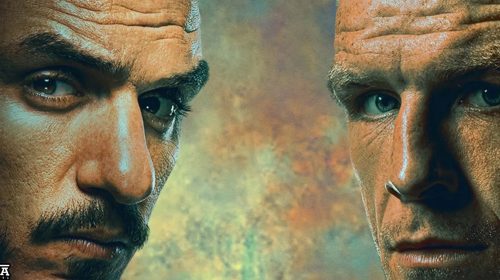
Consider how quickly outlets need to turn around content like UFC Seattle results coverage — a full card recap with context, analysis, and quotes needs to be live within the hour. AI handles the scaffolding while the journalist adds the substance.
The key here is that the AI doesn’t replace the journalist’s expertise — it handles the structural heavy lifting. The human brings the insight, the narrative, and the credibility. The final piece needs to read naturally, pass editorial standards, and reflect the journalist’s authentic voice — not like a machine dumped a template onto the page.
2. Interview Transcription and Quote Extraction
Post-fight press conferences are notoriously long and winding. Fighters ramble, promoters spin, and a single usable quote can be buried under 20 minutes of filler. AI-powered transcription tools like Otter.ai, Whisper, and built-in features in tools like Descript can now produce near-perfect transcripts of press conference audio in minutes.
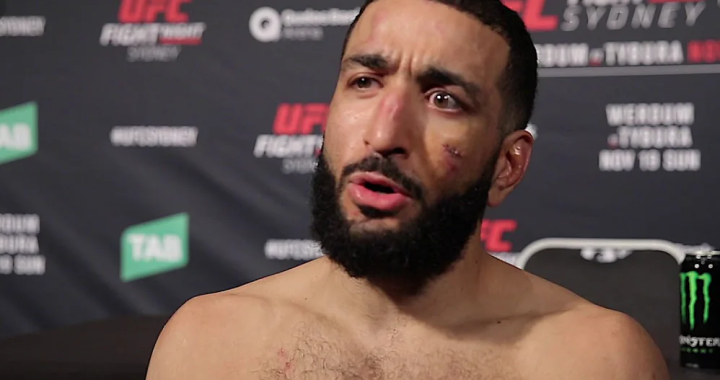
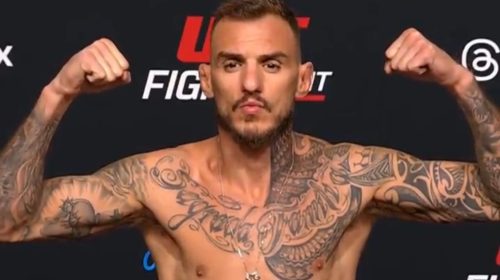
Once a transcript exists, journalists can then use language model tools to identify the strongest quotes, pull key talking points, and even generate a Q&A formatted article structure. This workflow alone can cut post-event production time in half. A detailed fighter interview like Josh Fremd discussing his PFL Pittsburgh win and transition to BKFC involves substantial source material that needs to be distilled into a tight, engaging read — exactly the kind of task AI transcription accelerates.
3. SEO Research and Headline Optimization
Combat sports journalism may feel niche, but its online audience is massive and highly engaged. Fans search for fight results, fighter records, odds analysis, and tactical breakdowns within minutes of an event ending. Ranking in Google for these searches requires smart keyword usage — and AI tools are exceptional at this.
Journalists are using AI to generate multiple headline variations, suggest related keywords to naturally weave into their copy, and ensure their meta descriptions are compelling. Tools that analyze search intent help writers understand whether fans want a blow-by-blow recap or a tactical breakdown — and structure their articles accordingly.
4. Fighter Profile and Record Updates
Maintaining accurate fighter profiles is a constant chore in combat sports media. Records change after every event, weight classes shift, and fighters move between promotions. AI tools can help draft and update these profiles rapidly based on a journalist’s input of new data, saving significant time on otherwise tedious but necessary content.
5. Social Media Content Generation
A single fight recap can fuel a week’s worth of social media content: highlight threads on X, Instagram captions, YouTube video titles and descriptions, and newsletter blurbs. AI tools allow journalists to repurpose their core article into all of these formats quickly, extending the content’s reach without proportionally extending the time investment.
The Cleanup Problem: Why Raw AI Output Isn’t Enough
Here’s what many content producers quietly know but rarely discuss: raw AI output is rarely publishable as-is. Even the best large language models tend to produce prose that is stilted, repetitive, overly formal, or littered with telltale AI phrases — words and constructions that experienced readers and search engines can easily identify.
For combat sports journalists who have spent years building a brand around their unique voice — their wit, their insider knowledge, their way of describing a beautiful combination or a brutal finish — publishing unedited AI content would be a brand-damaging mistake.
This is precisely where specialized cleanup and humanization tools come in. Platforms designed to transform robotic AI output into natural, engaging prose are now a staple in the toolkit of serious content producers. Using tools that help create clean AI-generated text means the journalist can move fast with AI assistance without sacrificing the quality and authenticity that their audience expects.
The workflow looks something like this:
- Draft: Use an AI tool (ChatGPT, Claude, Gemini) to generate a first draft from raw notes or a structured prompt.
- Review: Read through the draft, fact-check key details, and identify sections that need a stronger authorial voice.
- Cleanup: Run the draft through a dedicated AI cleanup and humanization tool to smooth out robotic phrasing and improve readability.
- Edit: Make final manual edits to inject personal insight, correct any inaccuracies, and ensure the piece reflects the journalist’s established style.
- Publish: File the polished article, confident it will engage readers and perform well in search.
Real-World Examples From the Combat Sports Media World
While few prominent journalists publicly claim heavy AI use, the evidence is visible in the speed and volume of content being produced across the industry.
Independent fight blogs that once published two or three recaps per weekend event are now putting out eight to ten pieces — covering every fight on the card, not just the main event. Regional MMA outlets that previously couldn’t afford to hire multiple writers are now operating with the content output of a full editorial team, powered by a single journalist and a stack of AI tools.
Podcast hosts who also maintain written editorial operations are using AI to transcribe their audio episodes, generate show notes, publish listicle summaries, and draft companion articles — all from a single podcast recording session. According to The Associated Press, news organizations across multiple beats have been experimenting with AI-assisted content workflows since 2024, and sports desks have been among the earliest adopters.
YouTube fight analysts are using AI to script their videos, generate video descriptions optimized for search, and produce written summaries to cross-publish on their websites. The multi-platform content machine that previously required a team of five is now being operated by solo creators.
What AI Cannot Replace in Combat Sports Journalism
For all its utility, AI has clear limitations that make human expertise irreplaceable in this field.
- Ringside credibility: An AI tool has never watched two fighters stare each other down at the weigh-ins or felt the tension in a packed arena before a world title fight. Journalists who have been there bring something no tool can replicate.
- Source relationships: The best combat sports stories come from exclusive interviews, locker room access, and relationships with coaches, managers, and promoters built over years. AI doesn’t have sources.
- Contextual judgment: Knowing whether a fighter’s performance signals decline or was simply a bad night requires deep historical knowledge and nuanced interpretation. AI can describe what happened; only an expert can truly explain why it matters.
- Breaking news instincts: When a fight gets cancelled, a drug test comes back positive, or a major signing is announced, a journalist’s instinct for what the story really means cannot be automated.
AI tools work best when they are positioned as accelerators behind an expert, not as replacements for one. The journalists who are thriving with AI are those who use it to amplify their voice, not silence it.
Building a Sustainable AI-Assisted Workflow
For combat sports journalists looking to integrate AI into their work without compromising their editorial standards, here are the most effective workflow strategies being adopted across the industry:
- Template-first prompting: Build a library of prompts tailored to specific content types — fight recaps, preview articles, fighter profiles, opinion pieces. The more specific the prompt, the more useful the AI output.
- Voice calibration: Train your AI tools with examples of your own writing so the output mimics your established style and tone, reducing the editing workload.
- Fact-checking as a non-negotiable step: Never publish AI-sourced statistics or records without independently verifying them. AI models can hallucinate stats, dates, and records with complete confidence.
- Use specialized cleanup tools: General-purpose AI editors often miss the nuances of sports writing. Purpose-built cleanup tools designed for editorial content will yield far better results than relying solely on the drafting tool to self-edit.
- Batch processing: Generate multiple pieces in a single session — all the undercard recaps at once, for example — then edit them sequentially. This approach is far more efficient than switching between writing and editing for each individual article.
The Future of AI in Combat Sports Media
The trajectory is clear. AI tools in journalism are not a passing trend — they are a fundamental shift in how content is produced, edited, and distributed. In combat sports media specifically, where the pace is relentless and the audience appetite is enormous, the journalists and outlets that embrace these tools thoughtfully will have a significant competitive advantage.
Over the next 12 to 24 months, we can expect to see AI tools that are even more deeply integrated with fight data APIs, automatically pulling real-time statistics, official scorecards, and promotional announcements to feed into article generation. We’re also likely to see more personalized content delivery, where AI helps journalists tailor the same story for different audience segments — hardcore fans who want tactical breakdowns, casual fans who want narrative summaries, and bettors who want odds-focused analysis.
The reporters who position themselves now as fluent in both the language of combat sports and the language of AI-assisted publishing will be the ones defining this space as it evolves.
Conclusion
Combat sports journalism has always demanded speed, accuracy, and passion. AI tools don’t diminish any of those requirements — they make it possible to meet all three simultaneously, even under the most brutal deadline pressure.
The journalists winning right now are the ones who have learned to use AI as a drafting engine, a transcription assistant, an SEO researcher, and a content repurposing machine — while keeping their human judgment, their credibility, and their voice firmly in control of every final word. The gap between outlets growing their audience and those struggling to keep up with the pace of the sport they cover is widening — and AI fluency is the dividing line.
AI won’t cover a fight for you. But it will make sure you can tell the story of every single one — faster, better, and smarter than ever before.