






How MMA Has Evolved Since the Early Days of the UFC
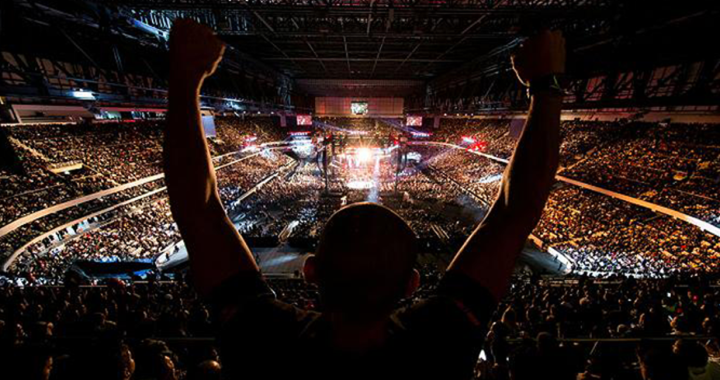
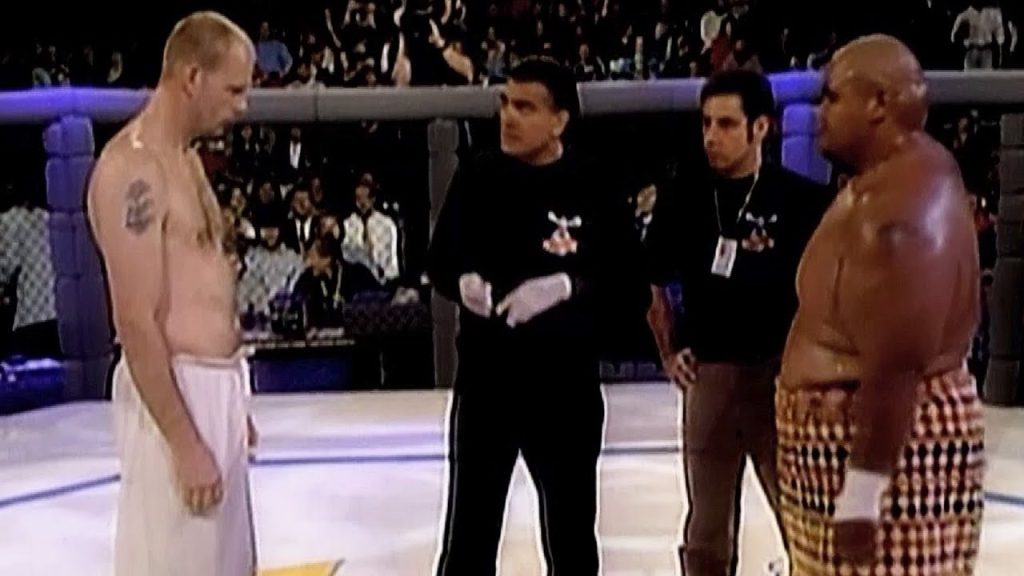
You would find it hard to name many sports that have evolved as much as mixed martial arts (MMA) has since its infancy. What began as a niche competition designed to test which fighting style was superior has evolved into one of the world’s most respected and widely followed sports. When the Ultimate Fighting Championship, better known as the UFC, hosted its first event in 1993, the sport was chaotic and far from the polished production that it has become today. There were few rules and limited weight classes, which led to sloppy freak show fights that you would never see today. Fighters entered the cage as specialists in a single discipline, whether that was Brazilian jiu-jitsu, boxing, wrestling, or karate, and the results were often brutal and unpredictable.
Evolution of Fighting Styles
In the early years of the UFC, competitors like Royce Gracie and Ken Shamrock proved that knowledge of grappling or submissions could overcome size and brute force. These early tournaments were fascinating because they demonstrated how different martial arts fared when matched against one another without restriction. As previously mentioned, Gracie defeated much bigger opponents with his impeccable ground game. However, as the sport grew, it became clear that a one-dimensional approach would no longer be enough. Fighters began to realise that success required the blending of multiple disciplines, much like people today blend different skills when exploring new opportunities, such as side hustle ideas that support long-term goals.
The next generation of fighters embraced this evolution. Athletes such as Georges St-Pierre and Randy Couture trained in wrestling, striking, and jiu-jitsu, creating a more balanced and technical approach to fighting. This shift marked the birth of the true mixed martial artist, capable of adapting to any opponent. The rise of dedicated MMA gyms and professional coaching teams ensured that fighters could learn to combine their skills effectively. This approach has since gone on to take over the sport, with the next generation of MMA talent being trained in all disciplines from day one of training.
Regulation and Mainstream Acceptance
One of the biggest changes in MMA’s evolution came with the introduction of rules and regulation. In the early days, critics described the UFC as barbaric, with politicians such as John McCain famously calling it “human cockfighting.” The sport’s reputation limited its growth, as the UFC struggled to get broadcast rights due to its violent nature, forcing promoters to make significant adjustments. Over time, the adoption of the Unified Rules of Mixed Martial Arts transformed the UFC into a legitimate, regulated sport. Weight classes were introduced to ensure fairness, and rules banning techniques such as headbutts, groin strikes, and eye gouges made bouts safer.
As these changes took effect, MMA began to gain credibility. Athletic commissions across the United States started to sanction events, opening the door for mainstream broadcasters and sponsors. This acceptance allowed the sport to attract a wider audience, leading to the massive global expansion seen today. Fighters became professional athletes with long-term contracts, medical care, and strict drug testing. The transformation from underground tournaments to a respected professional sport is one of MMA’s greatest achievements.
The Globalisation of MMA
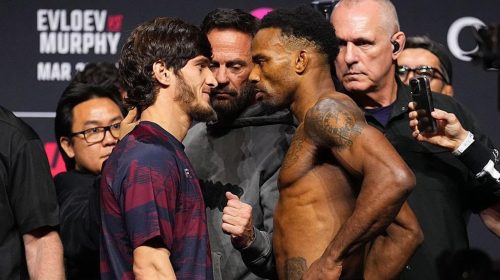
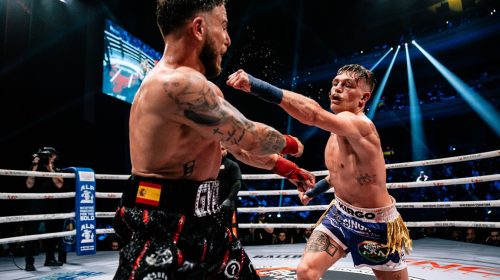
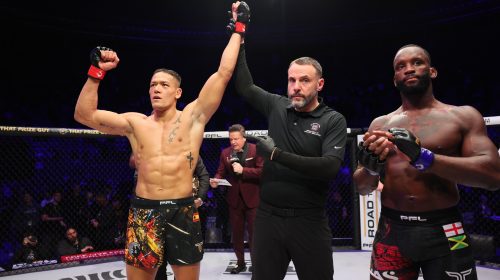
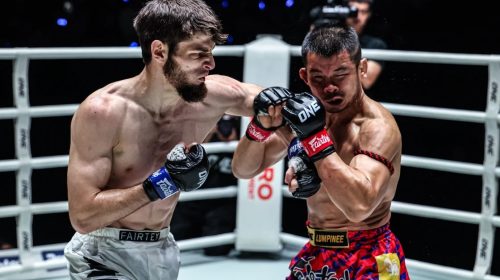
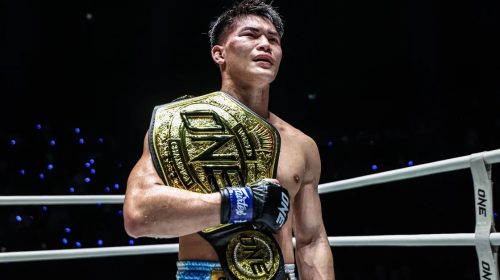
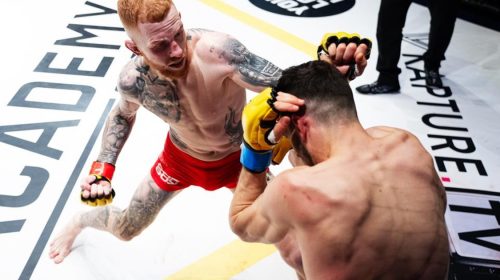
While the UFC remains the most recognised name in MMA, the sport’s reach extends far beyond its octagon. Promotions such as Oktagon and the Professional Fighters League (PFL) have played key roles in expanding the sport across different continents. The growth of MMA in regions like Asia, South America, and Europe has introduced new fighting styles and fan bases, adding to the sport’s diversity.
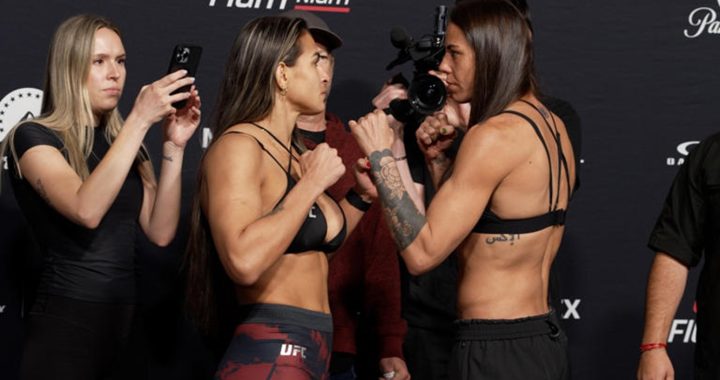
This global expansion has also created opportunities for fighters from all backgrounds. Countries like Brazil and Russia have produced some of the greatest champions, inspiring a new generation of athletes. The international appeal of MMA has made it a truly global sport, with events held in cities around the world and audiences watching live from every continent.
Media Influence and Rise of Superstars
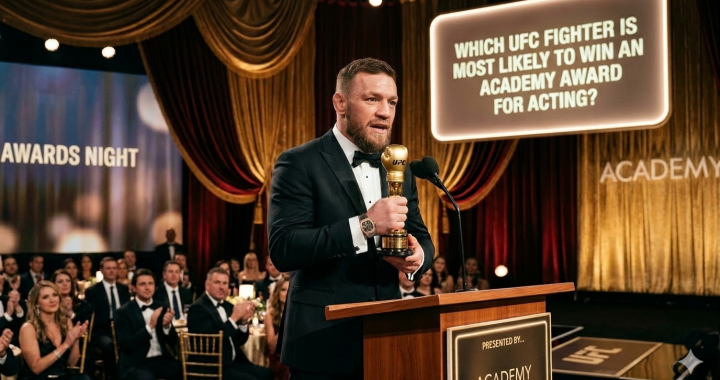
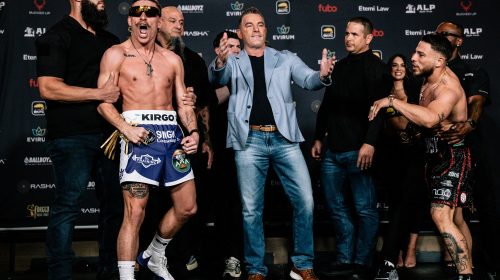
The role of media in shaping modern MMA cannot be overstated. In the early years, access to fights was limited to pay-per-view tapes or small cable broadcasts. The rise of social media and digital platforms changed everything. Fighters could now connect directly with fans, share training footage, and build their personal brands. This shift helped create global superstars such as Conor McGregor and Ronda Rousey, whose charisma and authenticity drew millions of followers beyond the sport itself.
Marketing and storytelling have become central to MMA’s success. The UFC’s ability to present fighters as both athletes and personalities has allowed it to compete with traditional sports like boxing and football. Pay-per-view sales, sponsorship deals, and streaming partnerships have turned MMA into a billion-pound industry, and fighters are now among the most marketable figures in global sport.