





How the UFC Became a Mainstream American Sport
Mixed Martial Arts (MMA) started out as a niche sport that was labelled as barbaric. Fast forward to today, and it has become one of the most popular sports in America. The premier organization for MMA is the Ultimate Fighting Championship (UFC), the promotion that is responsible for taking MMA into the mainstream. The journey of the UFC reflects a combination of bold leadership that isn’t afraid to push the boundaries, evolving regulations, and an incredible fanbase.
The Early Years of the UFC
When the UFC was founded in 1993, the premise behind the idea was to match martial artists from different backgrounds against each other to see which one was the most effective. The early events had very few rules, and fighters from different disciplines, such as Brazilian Jiu-Jitsu, wrestling, and boxing, would compete against one another with very little thought put into the safety aspect. The concept attracted attention, but this attention was both positive and negative, as the UFC received its fair share of criticism early on.
The lack of regulation and rules led to both media outlets and politicians labelling the sport as too violent, and some even called for the sport to be banned in its entirety. The UFC relied on pay-per-view distributors to draw in revenue, but after the heavy criticism, many distributors pulled UFC events from their platforms. This then forced UFC to find a new way to present itself.
Improving Regulation
A key turning point for the UFC was the introduction of the Unified Rules of Mixed Martial Arts. These new rules covered a wide range of the sport, from standardized weight classes, rounds, and outlawing dangerous techniques such as head butts and groin strikes. The regulation in the rule set was vital in the sport being accepted by state athletic commissions and gave the UFC a more legitimate image that it needed to grow.
With these regulations set in stone, the UFC was able to start expanding across the country. They targeted key athletic commissions such as Nevada and New Jersey to get their events sanctioned, as they saw these territories as great opportunities to gain exposure in venues that were previously inaccessible. The improved legitimacy of the sport also improved television networks’ willingness to broadcast MMA, which was a huge milestone in expanding their audience.
The Fretitta’s and Dana White’s Vision
The UFC’s mainstream breakthrough was largely due to the Fertitta brothers, Frank and Lorenzo, purchasing it in 2001. Upon purchasing the organization, they appointed Dana White as president. The Fretitta’s brought financial stability to the business, whereas White was a ruthless promoter who pushed the sport into the spotlight.
The most significant move made during the early years of the new ownership was the creation of the hit reality TV show The Ultimate Fighter in 2005. Airing on Spike TV, The Ultimate Fighter introduced fighters to a national audience and gave a behind-the-scenes look at what it is like to be a professional fighter. The show found early success due to charismatic personalities and exciting fights. The show’s first season culminated in the iconic fight between Forrest Griffin and Stephan Bonnar, a fight which White has since said saved the UFC.
Broadcast Partnerships
In 2019, the UFC signed a partnership agreement with ESPN, which solidified its place in mainstream American sports. With events being broadcast on ESPN, this opened the door for millions of people to tune in and watch MMA who may not have seen it before. This deal expanded the UFC’s and individuals’ fanbases massively and gave the sport a consistent presence on one of the biggest sports networks in the world.
The Rise of Superstars
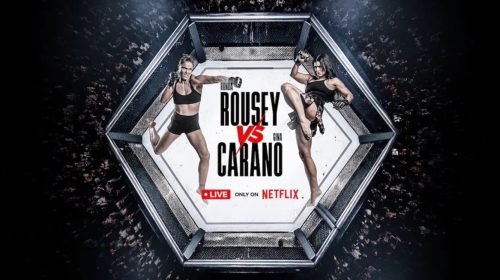
Star power is what transformed the UFC into the global brand that it is today. Fighters such as Conor McGregor and Ronda Rousey brought unprecedented attention to the sport. Their fighting style and charisma meant they were able to capture headlines in major news outlets and drew more fans to the UFC.
Rousey was a dominant champion, whereas McGregor was a brash talker with a unique personality. McGregor was the man in the UFC for many years, as he became a global superstar overnight. His marketability meant that he brought so much attention to the UFC, and many fans of the sport today are fans because of him.
Embracing Digital Media
The UFC has utilized digital media more effectively than many traditional sports. Social media gives fighters the platform to interact directly with fans, while streaming services make fights more accessible worldwide. The UFC’s introduction of UFC Fight Pass, a subscription service giving fans access to endless amounts of content, was the first of its kind in sports.
The UFC has managed to grow exponentially outside of America, too, due to its roster of fighters from across the globe. The promotion creates compelling narratives that resonate and excite fans; no other MMA promotion has been able to promote and achieve the heights that the UFC has. Just as American audiences embraced sports like professional wrestling, boxing, and even entertainment platforms where people can play live casino, the UFC carved out its place by blending competition with spectacle.