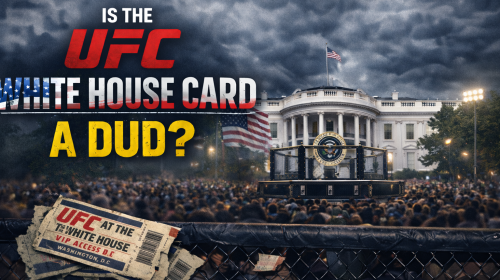












Is the UFC White House Card a Dud?
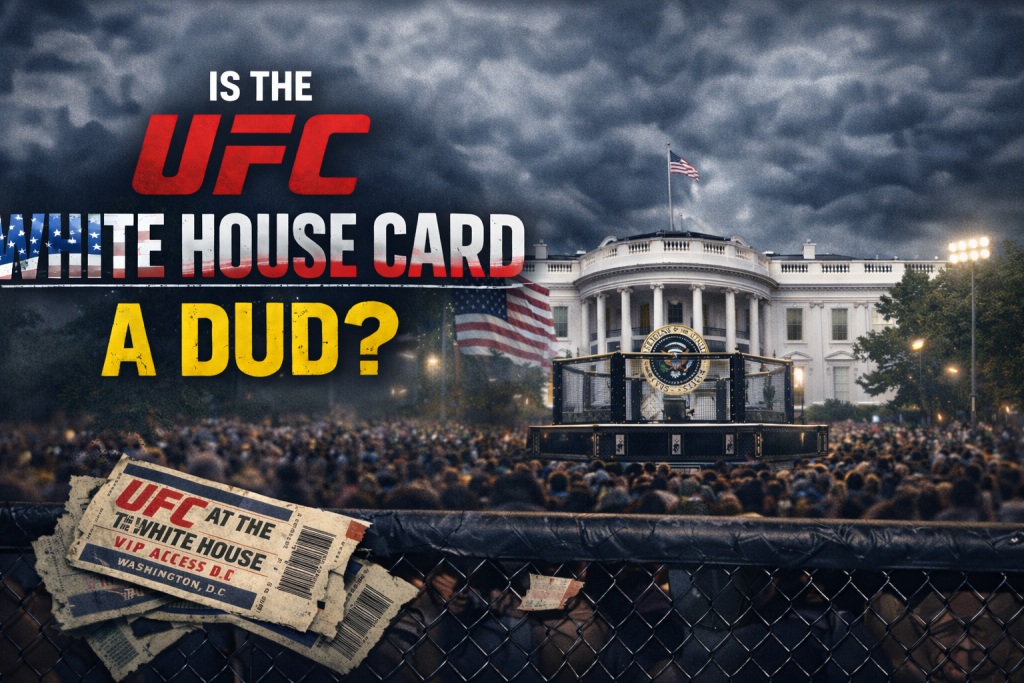
When the idea of a UFC event on the White House grounds first started circulating, the reaction ranged from disbelief to excitement. The spectacle alone seemed enough to guarantee attention: the most recognizable MMA promotion in the world staging fights at one of the most iconic political landmarks on Earth. But as the details have slowly come into focus, a question has begun to linger among fans and analysts alike: Is the UFC White House card a dud?
The concept itself is undeniably bold. The UFC has built its brand on turning fights into cultural events, and placing an octagon within view of the White House would certainly qualify. The optics alone would generate headlines worldwide. But spectacle can only carry a fight card so far. For hardcore fans who tune in month after month, the real measure of an event is always the same: the fights.
And that’s where the skepticism starts to creep in.
Historically, the UFC saves its most stacked lineups for milestone pay-per-views or major international cards. Events like the promotion’s annual International Fight Week often feature multiple title fights and a lineup loaded with contenders. If the rumored White House event doesn’t match that level of depth, the novelty of the location might begin to feel like a distraction rather than an enhancement.
There’s also the question of matchmaking. A location this symbolic invites the expectation of something historic inside the cage—championship bouts, grudge matches, or career-defining clashes. Without them, the event risks feeling more like a publicity stunt than a genuine sporting showcase.
Of course, there’s another side to the argument. Even if the card itself isn’t stacked from top to bottom, the environment could make it unforgettable. Combat sports have always thrived on atmosphere. Imagine fighters walking out under the lights with the White House as a backdrop, the political and cultural symbolism hanging in the air. It would be unlike anything the sport has seen.
That kind of setting could elevate even a modest fight lineup into something memorable.
But the UFC has built its reputation on delivering more than just memorable visuals. Fans expect meaningful fights with real stakes—bouts that move divisions forward or settle rivalries. If the promotion leans too heavily on the novelty of the location without delivering those elements, the event could fall flat with the very audience that made the UFC what it is.
So is the UFC White House card a dud?
Right now, it’s too early to say. The idea itself is fascinating, even surreal. But in the end, a great fight card is judged the same way it always has been: by what happens inside the octagon. The White House lawn may provide the backdrop, but the fights will determine whether the night becomes a historic moment in MMA—or just a strange footnote.
The card, dubbed as UFC Freedom 250 was revealed this past weekend at UFC 236. At the top of the June 14 event, lightweight champion Ilia Topuria and interim champion Justin Gaethje will look to solidify the title at 155-pounds.
In the co-main event slot, former two-division UFC champion Alex Pereira attempts to work for a title in a third division as he chases the interim heavyweight title against Ciryl Gane.
The following fights are expected to complete the UFC White House fight card:
A bantamweight bout between former UFC Bantamweight Champion Sean O’Malley and Aiemann Zahabi.
A lightweight contest featuring Maurício Ruffy and former three-time Bellator Lightweight World Champion (also former lightweight title challenger) Michael Chandler.
A middleweight bout between Bo Nickal and Kyle Daukaus.
A featherweight bout between former title challenger Diego Lopes and Steve Garcia.
Of course, things can change so until the final UFC White House lineup is revealed, the question remains open. The stage might be unprecedented. The real test will be whether the action lives up to it.