



















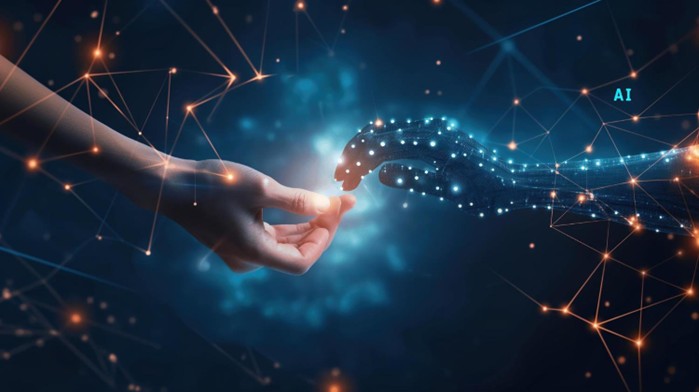
Modern Loneliness and the Rise of AI Companions
In an era defined by constant connectivity, it would be reasonable to assume that people feel more socially fulfilled than ever. Smartphones, social media platforms, and instant messaging have created an environment where communication is immediate and continuous. Yet, paradoxically, loneliness has become one of the defining emotional experiences of modern life.
This contradiction has sparked growing interest in a new kind of solution, one rooted not in traditional social structures, but in technology itself. AI companions, once considered a novelty, are now emerging as a meaningful part of how some individuals navigate connection in a digital world.
The Loneliness Paradox
The rise of loneliness is not simply about isolation in the physical sense. Many people are surrounded by others daily, at work, in social settings, and online, yet still report feeling disconnected. The issue often lies in the quality of interactions rather than their frequency.
Digital communication, while convenient, can sometimes lack depth. Conversations are fragmented, attention is divided, and interactions are often shaped by performance rather than authenticity. Over time, this can create a sense of emotional distance, even in the presence of constant communication.
As a result, individuals are increasingly seeking alternative ways to experience meaningful engagement, ways that feel more personal, responsive, and consistent.
Enter AI Companionship
AI companionship platforms have emerged as part of this shift. These systems are designed to simulate conversation, adapt to user preferences, and provide ongoing interaction that feels tailored to the individual.
What sets these platforms apart is their focus on continuity. Unlike traditional apps that serve a specific function and then disengage, AI companions are built to sustain interaction over time. They learn from previous conversations, adjust tone and style, and create a sense of familiarity that evolves with use.
For those exploring this space, it’s common to come across curated platforms and resources that allow users to see more about how these tools function and what different experiences they offer. This growing ecosystem reflects a broader interest in technology that goes beyond utility and into the realm of personal experience.
Why People Are Turning to AI for Connection
The appeal of AI companionship is not rooted in replacing human relationships but in addressing gaps that exist within modern communication patterns.
One key factor is availability. Human relationships, while deeply valuable, are also constrained by time, energy, and circumstance. AI companions, on the other hand, are always accessible. They provide immediate responses and uninterrupted attention, which can feel refreshing in a world where distractions are constant.
Another factor is personalization. AI systems are designed to adapt, learning how users communicate and tailoring responses accordingly. This creates interactions that feel uniquely suited to the individual, rather than generic or one-size-fits-all.
There is also an element of emotional safety. Interacting with an AI removes many of the social pressures that come with human communication, fear of judgment, misinterpretation, or rejection. For some users, this creates a space where they can express themselves more openly.
The Technology Behind the Experience
The rapid development of AI companionship is closely tied to advances in natural language processing and machine learning. Modern AI systems are capable of understanding context, maintaining conversational flow, and generating responses that feel increasingly natural.
Large language models, in particular, have played a significant role in enabling these interactions. They allow AI to process vast amounts of data, recognize patterns in communication, and produce responses that align with user expectations.
However, it is important to understand that these systems do not possess genuine emotions or consciousness. Their responses are generated based on probabilities and learned patterns, not lived experiences. The sense of connection they create is the result of sophisticated design rather than true emotional understanding.
A Broader Cultural Shift
The rise of AI companionship is part of a larger transformation in how people engage with technology. Devices and platforms are no longer seen solely as tools but as extensions of personal experience.
This shift can be observed across multiple areas, from personalized content feeds to voice assistants that integrate seamlessly into daily routines. AI companions represent the next step in this evolution, offering a form of interaction that feels more relational than functional.
At the same time, this trend reflects changing expectations. People are no longer satisfied with passive technology; they want systems that respond, adapt, and engage in ways that feel intuitive and meaningful.
The Importance of Balance
While AI companionship offers new possibilities, it also raises important questions about balance. How should these tools fit into everyday life? And how can users ensure that digital interaction complements rather than replaces real-world relationships?
According to the American Psychological Association, maintaining strong social connections is essential for mental and emotional well-being. Their research emphasizes that while digital tools can support connection, they should not fully substitute human interaction.
This perspective highlights the importance of using AI companionship thoughtfully. When integrated in a balanced way, these tools can enhance communication, provide support, and offer moments of engagement without diminishing the value of human relationships.
Looking Ahead
As technology continues to evolve, the capabilities of AI companions will likely expand. Future developments may include more advanced voice interaction, deeper personalization, and integration with immersive technologies such as virtual and augmented reality.
These advancements will further blur the line between digital and human interaction, creating experiences that feel increasingly lifelike. At the same time, they will require ongoing discussion about ethics, design, and long-term impact.
The challenge will not be in developing the technology itself, but in ensuring that it is used in ways that align with human needs and values.
Redefining Connection in a Digital World
The growing interest in AI companionship reflects a fundamental truth about modern life: people are seeking connection in new and evolving ways. Technology, rather than replacing this need, is becoming one of the ways it is fulfilled.
AI companions are not a solution to loneliness in themselves, but they represent a new layer of interaction, one that sits alongside traditional relationships and digital communication channels.
As society continues to navigate the complexities of connection in a hyperconnected world, the role of AI will remain an important part of the conversation. Not as a replacement for human relationships, but as a reflection of how those relationships are changing.
In the end, the rise of AI companionship is less about technology and more about people, how they communicate, what they value, and how they adapt to an increasingly digital landscape.