















The Long Goodbye: Why Letting Go of the Cage is the Hardest Fight of All
There is a specific sound that echoes inside an empty arena during the prelims. It isn’t the roar of the crowd or the thumping bass of entrance music. It’s the wet, heavy thud of bone connecting with flesh, echoing off the concrete.
When you strip away the bright lights, the ring card girls, and the commentary, MMA is a stark, brutal business. And as we roll through the opening weeks of the calendar, watching the fight cards fill up from the UFC Apex to the regional showcases in Pennsylvania and Florida, one narrative keeps rearing its ugly head: the inability of our heroes to walk away.
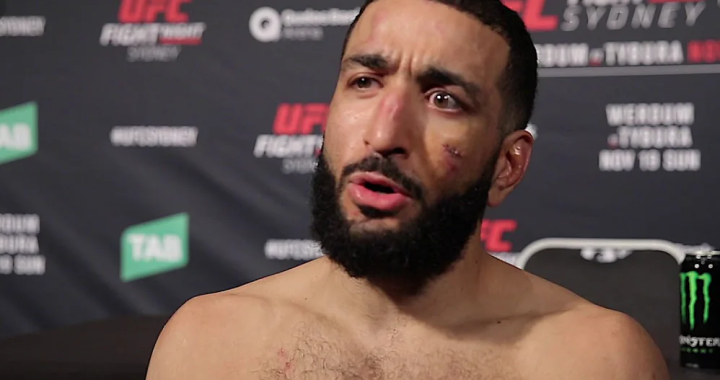
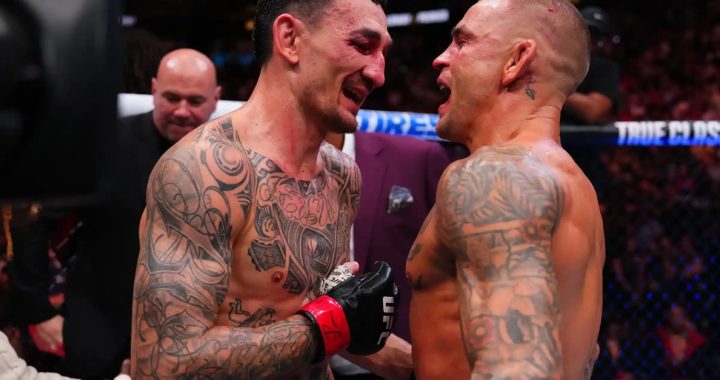
We see it every weekend. A name we grew up watching – a former champion, a highlight-reel machine – steps into the cage against a kid who was in elementary school when the veteran made their debut. The veteran looks slower. Their reaction time is a millisecond off. The chin, once made of granite, has developed hairline fractures.
It raises the uncomfortable question that nobody likes to ask at the post-fight press conference: Why are they still doing this?
The Addiction of the Spotlight
Fighting is unlike any other professional sport. In football or basketball, if you lose a step, the league filters you out. You get cut, or you get benched. The team dynamic protects you from yourself.
In MMA, you can always find a promoter willing to sign a check. If the UFC cuts you, PFL might call. If PFL passes, there’s BKFC. If bare knuckle is too much, there’s a regional show in a casino ballroom that needs a main event to sell tickets. We all know that boxers go on for too long – and yes, Roy Jones Jr, we’re looking at you – but cage fighters do the same.
The decline is a slow, painful slide. It’s driven by the fighter’s absolute, unshakeable belief that they are one win away from being “back.” It’s a mindset that borders on delusion, but it’s also the exact same mindset that made them champions in the first place. You have to be delusional to think you can lock yourself in a cage with a trained killer and survive. You have to believe you’re special. The problem is, that belief doesn’t fade when the reflexes do.
The Avatar vs. The Reality
As fans, we are complicit in this. We love the nostalgia. We love seeing the names on the poster that remind us of the “Golden Era.” We want to see the knockout artist one last time.
We tend to view these athletes not as flesh-and-blood humans who age, but as permanent icons. We see them the way they are depicted in pop culture – frozen in time, forever in their prime.
Think about the way the sport is represented in gaming. You can visit a casino and load up a title like the MMA Legends slot game by NetGame, and there they are on the reels: the archetypes of the sport, looking ripped, dangerous, and ready to go. In that digital world, the “Legend” always has a puncher’s chance. The spin is always random, but the potential for a jackpot outcome is always there unless a sister site comparison website tells you it isn’t. The avatar doesn’t have bad knees. The avatar isn’t dealing with the lingering effects of a concussion from three years ago.
It’s easy to confuse that digital permanence with reality. We watch a 42-year-old veteran walk out to their classic music, and for a split second, we trick ourselves into thinking, “Maybe he’s got one more spinning heel kick in him. Maybe he can hit the jackpot one last time.”
But the cage isn’t a slot machine. The house edge in MMA is heavily weighted towards youth, speed, and hunger. And when the “spin” doesn’t go your way in the Octagon, you don’t just lose your credits; you lose brain cells.
The Shark Tank of the Regional Scene
We spend a lot of time covering the regional grind – CFFC, LFA, Art of War. We see the supply chain of violence up close.
The kids coming up right now are different. They aren’t wrestlers who learned to box, or kickboxers who learned jiu-jitsu. They are mixed martial artists from day one. They have been sprawling and brawling since they were teenagers.
When a veteran drops down from the big leagues to test the waters on the regional circuit, they often think it’s going to be an easy paycheck. They think their name value alone will freeze the opponent.
Instead, they run into a 24-year-old from New Jersey or Philly who is hungry, broke, and sees the veteran’s head as a stepping stone to a Contender Series contract. These prospects don’t care about what you did in 2018. They care about taking your spot.
The Financial Trap
Of course, we can’t talk about this without talking about money.
Prize fighting is a cruel mistress. The window to make “life-changing money” is incredibly small, and very few fighters actually jump through it. Most fighters live fight-to-fight. They don’t have a 401k. They don’t have a pension plan. This is why Mike Tyson chose to embarrass himself in the way that he did a couple of years ago with the Jake Paul farce.
When you have spent twenty years of your life learning how to break limbs, your résumé for the “real world” can look pretty thin. What is a fighter supposed to do? Go work at a desk?
So, when the phone rings and a promoter offers $20,000 to show up and fight a young killer, it’s hard to say no. It’s quick cash. It’s what they know.
This is where management needs to step up. We need more managers who are willing to have the hard conversation with their clients. The “I love you, but it’s over” conversation. Too often, we see camps filled with “Yes Men” who keep pushing a fighter into the meat grinder because they get a percentage of the purse.
Cherishing the Legacy
So, what’s the solution?
As fans, we need to learn to let go. We need to stop clamouring for “Legends Tours” or “Old Man Fights.” We need to celebrate what these athletes did in their prime without demanding they destroy their bodies to entertain us in their twilight years.
There is nothing wrong with a fighter transitioning to pro wrestling matches, podcasts, or coaching. The knowledge they have is invaluable. They are the libraries of our sport. We shouldn’t burn the library down just to stay warm for a few more minutes.
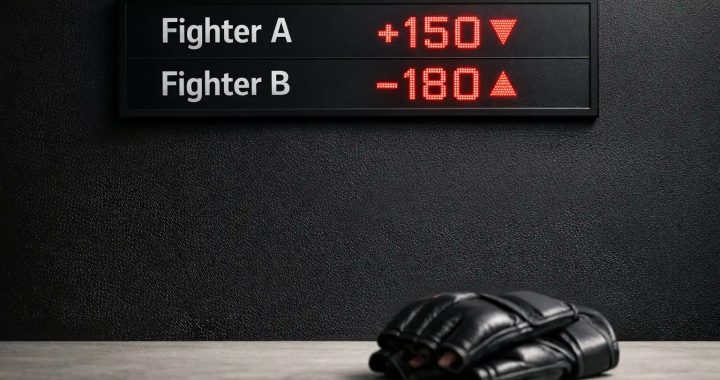
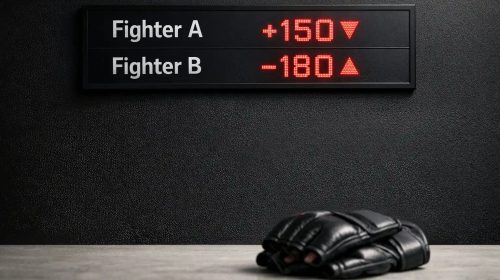
The next time you see a legend’s name pop up on a prelim card against an unranked prospect, don’t just blindly bet on the nostalgia. Look at the reality.
MMA is the greatest sport in the world. It provides the highest highs and the most adrenaline-pumping moments of any athletic endeavour. But it also has a dark side, and that darkness is the refusal to accept the end.