


















Training Discipline vs. Betting Savvy: What Fighters and Casino Pros Have in Common
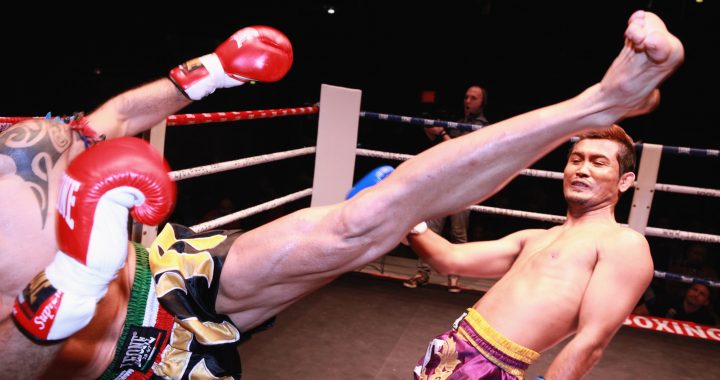
What separates a serious boxer from someone who only likes the idea of boxing?
It rarely comes down to motivation. Motivation shows up when it feels convenient. Discipline shows up when it feels boring.
The same split appears in casinos. Strategic players tend to treat the casino as a rules-based environment with limits, while casual players treat it as a mood-based environment. One mindset lasts longer. The other burns hot and fades fast.
Boxing training and skilled casino play sit in different worlds, yet they share a core principle: self-control under pressure. Both reward people who can follow a plan while the room tries to pull them off it.
A Serious Camp Starts With a Serious Gym
A boxer chooses the gym before choosing the fight. The gym sets standards, protects health, and filters out chaos. Bad coaching wastes time. A sloppy training space invites injuries. A good camp builds habits that hold up when fatigue hits.
Casino play has a similar foundation. Platform quality shapes behavior more than most players admit. A clean interface, transparent rules, and reliable payouts reduce stress, which helps decision-making. A sketchy site does the opposite. Confusing terms, delayed withdrawals, and unclear game rules push players into emotional choices.
This is where legitimacy matters. Licenses, clear ownership, and independent testing provide basic trust. So does straightforward support that answers questions without dodging. Even experienced players benefit from a platform that makes policies easy to verify, since no one plays well while second-guessing the basics. Players often opt for no deposit bonus casino platforms because they want a lower-friction way to explore a site’s flow and rules before committing more time.
The gym analogy holds. Trust the environment first, then worry about performance.
Routine Beats Intensity Every Time
Boxing training looks dramatic on highlight reels. Real camps look repetitive. Roadwork, technical rounds, controlled sparring, and mobility work repeat until they feel automatic. The goal is simple. Make good decisions feel normal, even when tired.
Casino pros rely on the same kind of routine, just expressed differently. They set the session structure in advance. They pick games with rules they already understand. They plan breaks. They avoid playing when emotions run loud, since tilt wrecks judgment fast.
Skill shows up in small behaviors that look unexciting from the outside. A disciplined boxer wraps hands the same way every time and warms up before hitting pads. A disciplined casino player approaches a session with a clear start and a clear stop. That structure protects attention. It also keeps play inside chosen limits.
Two habits tend to matter most:
- Pre-commitment. Set the session conditions before logging in, then follow them.
- Consistency checks. Pause to confirm the game rules, then confirm the pace.
Those habits feel basic, which is why they work. Most mistakes come from skipping the basics under pressure.
Film Study and Table Awareness Use the Same Brain
Fighters study film to spot patterns. They look for timing cues, defensive lapses, and favorite combinations. Then they pressure-test those reads in sparring. The point of film is not trivia. The point is prediction.
Casino strategy uses the same mental loop. Strong players pay attention to the rule set, the volatility profile, and the decision points that actually matter. They learn what changes outcomes, then ignore what only feels important.
That mindset also includes a quiet kind of humility. A boxer can do everything right and still lose a round because the opponent lands clean. A casino player can make solid choices and still face a rough stretch. Variance exists, so discipline has to outlast it.
Practical “awareness cues” look similar across both worlds:
- Pattern recognition. A fighter tracks rhythm changes. A player tracks game states and bet sizing relative to the plan.
- Emotional tells. A fighter notices frustration after a missed shot. A player notices impatience after a near miss.
- Environment scanning. A fighter reads the corner and the ref. A player reads the rules, limits, and any changes in conditions.
None of this requires theatrics. It requires attention, then restraint.
Recovery Is Where Pros Separate Themselves
Fighters build recovery into the plan. Sleep and hydration are key, with soft tissue work and lighter days keeping the nervous system stable. Skipping recovery may feel tough, yet it usually turns into lower-quality training and higher injury risk.
Casino play also needs recovery, even if it looks different. The brain burns energy while making repeated decisions. When decision fatigue shows up, judgment gets sloppy. That is when players chase, misread risk, or ignore the plan.
A professional approach includes deliberate off-ramps. Step away. Reset. Review the session while calm, not while wired. This protects long-term decision quality. It also supports a healthier relationship with entertainment. That matters, especially because casino environments are designed to keep attention locked in.
One more boundary belongs here. Casino play is for adults of legal age in regulated markets. A disciplined mindset includes respecting that rule, the same way a disciplined gym respects safety standards.
Discipline Looks Boring, Until It Saves The Day
In boxing, discipline looks like showing up on a quiet morning. It looks like drilling the same defense until it becomes instinct. In casinos, discipline looks like reading terms carefully and walking away when the plan says stop.
The parallel is not about bravado. It is about control.
Fighters and casino pros both operate in environments that reward composure. Both face moments that invite impulsive choices. Both get better results, in performance and in experience, when they treat the process as the priority.
A clean camp builds a clean fight. A clean platform, paired with a clear plan, builds cleaner decisions. That is the common ground, self-control that holds up when the room gets loud.