














What IFA 2025’s On-Device AI Could Actually Ship
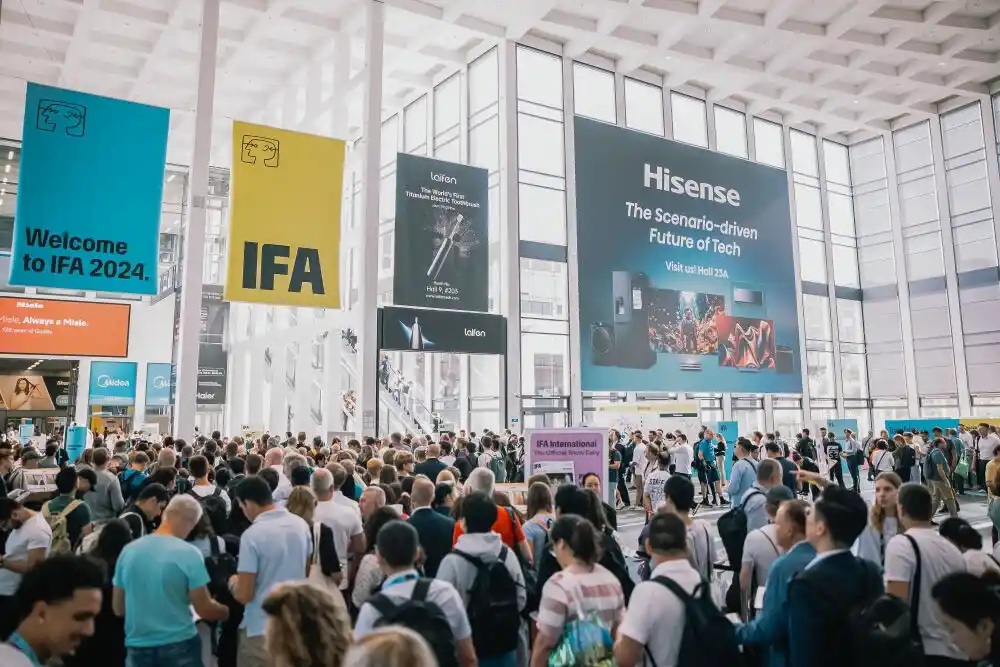
IFA 2025 put pocket silicon on center stage. Booth after booth promised assistants that summarize life, cameras that edit in the viewfinder, and earbuds that translate whispers on the fly. The pitch sounded confident, but the floor told a subtler story: some features felt like defaults waiting to happen; others felt like theater with extra LEDs.
The vibe was probability with polish — almost like live roulette: bright tables, spinning wheels, and odds that tilt only when the croupier releases the ball. The mass market isn’t swayed by flash; it chooses what works reliably on a Monday morning. So the question isn’t “Can this demo?” It’s “Will a million people use this twice a day without thinking about it?” That filter turns hype into roadmaps.
Why On-Device Matters
Vendors made the same quiet point: the best AI is the kind that doesn’t leak data or drain battery. Local processing means faster response, no dependence on spotty connections, and privacy that never leaves your device. That’s not romance; it’s user math. If a meeting transcript, a grocery list rewrite, or a photo fix happens instantly and offline, the feature graduates from novelty to muscle memory. Modern silicon delivers the performance, and refined schedulers ensure thermals stay civil.
What Looks Ready for Prime Time
- Think concise over creative — on-device digests of notes and memos came across as dull, which was exactly the point. They turned rambles into bullets quickly, with good timestamps and names. That’s daily-driver energy.
- Camera Edits at Capture — Live object masks, noise cleanup, and exposure fixes ran before the shutter sound. No app-hopping, no cloud wait. Parents and reporters will adopt this without asking for a settings tour.
- Offline Translate-and-Caption — Earbuds and phones handled short, noisy phrases locally, then overlaid clean captions on video. Travel, campus, press lines — this scales fast because it solves embarrassment.
- Keyboard That Actually Learns — Lightweight language models improved autocorrect and tone suggestions on-device, with per-app profiles. Typos dropped, meetings got clearer. Users keep wins they notice every hour.
- Context Windows for Real Tasks — Small models with smart retrieval fetched the right file, receipt, or contact while typing. Not magic—just helpful glue that saves ten taps.
What May Stay in the Demo Booth
- 24/7 Wearable Whisperers — Always-listening pins and pendants looked chic but fried patience under real noise and battery realities. Charging twice a day is not a lifestyle.
- AR Pop-Ups Everywhere — Overlays that label the world in real time were jittery and busy. People want fewer bubbles, not more homework for their eyes.
- Generative Wallpapers for Everything — Pretty, yes. Sticky, no. After week two, most users revert to photos that mean something.
- Phone-as-PC for Heavy Laptops — Desktop modes improved, but long compiles and huge sheets still cooked pockets. Good for cafés, not for careers.
- One-Tap Life Coaches — “Rewrite my week” demos charmed crowds, then tripped on calendar edge cases. Specific helpers win; general sages stall.
The Real Bottlenecks No Booth Can Hide
Models are smaller, but memory and heat still gate ambition. Vendors leaned on scheduler tricks: run bursts when screens are on; throttle when pockets warm; fuse multiple tiny models instead of one diva network. Legal and privacy teams also slow rollouts. If a feature touches kids’ voices, pay details, or health, it will ship slower and quieter, which is exactly how it should be.
Scorecard for the Next 12 Months
Expect the quiet revolutions: keyboards that stop gaslighting spelling, cameras that self-correct, and voice notes that become meeting minutes before the elevator opens. Expect iterative silicon with neural blocks that sip instead of chug. Expect tighter accessories—buds that hand off transcripts, watches that flag action items from a jog’s voice memo. The mass market meets new tech when it shows up as default behavior.
How to Tell Hype from Habit
- Two-Tap Rule — If it takes more than two taps after week one, adoption falls off a cliff.
- Airplane-Mode Test — If the feature dies without cloud, it’s a party trick, not a product.
- Battery Honesty — Real winners publish power budgets; pretenders dodge specifics.
- Crash-Grace — When the AI stumbles, good products degrade gracefully instead of freezing the phone.
- Privacy First Reads — Local processing plus clear toggles beats vague promises every time.
The Mass-Market Bet, Stated Plainly
The future arrives as increments: a camera that rescues more photos, an input that predicts more kindly, and earbuds that make conversations fairer. On-device AI becomes mainstream when it behaves like plumbing — quiet, fast, and forgettable. The brands that win will ship small models trained for jobs, not vibes, and they’ll say no to features that look great in keynotes but collapse in kitchens.
Verdict: Ship the Useful, Skip the Cute
IFA-2025 showed plenty of sparkle, but the keepers shared the same DNA: privacy that’s default, speed that feels local, and interfaces that hide the math. Those traits travel from Berlin to everyone’s pockets without permission from hype cycles. Everything else? Lovely to watch — until Monday morning asks, “Will this help, or will this ask for help?” The mass market always answers with routine.