











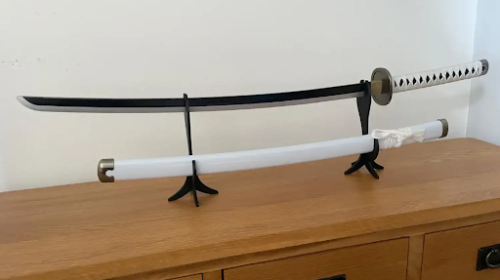








Importance of Martial Arts for Students
Martial arts have long been associated with self-defense, but for students, their value goes far deeper. Whether practiced in a school club, a local dojo, or as part of physical education, martial arts help develop physical fitness, mental discipline, and emotional resilience. For young people balancing academic demands with personal growth, these qualities can make a significant difference.
Today, martial arts are not just about mastering techniques. They encourage problem-solving, focus under pressure, and respect for others – skills that translate directly to academic and social life. In a world where distractions are everywhere and confidence can be easily shaken, martial arts training offers a grounded, structured path toward self-improvement.
For those who are juggling studies with other commitments, knowing when and how to seek guidance is key. Platforms that help students write my essay online can free up time to maintain consistent martial arts practice without letting schoolwork suffer. As Daniel Walker, a seasoned writing expert at Studyfy, explains, an online essay writing service can help students strike a better balance between academic and personal development.

Building Discipline and Structure
Martial arts training demands consistency. Students are expected to show up on time, follow a routine, and progress through structured learning stages. This discipline often spills over into academic life. A student who learns to commit to regular practice sessions is more likely to manage study schedules effectively and meet deadlines.
The belt system in many martial arts provides clear milestones, encouraging students to set and achieve goals. This goal-oriented mindset is a powerful tool in both education and life.
Physical Benefits for Academic Performance
Healthy body, healthy mind – the saying applies perfectly here. Martial arts improve cardiovascular health, flexibility, strength, and coordination. Regular physical activity has been shown to boost concentration, memory, and cognitive performance, which means that a student who trains is often better equipped to handle complex academic tasks.
By maintaining physical fitness, students reduce fatigue and improve their overall energy levels, making them more alert during classes and study sessions.
Stress Relief and Mental Clarity
School life comes with exams, deadlines, and social pressures. Martial arts offer a productive outlet for releasing stress. Training sessions require focus, which forces students to temporarily set aside their academic worries. This mental break often leads to better clarity and improved problem-solving when they return to their studies.
Techniques like controlled breathing and mindfulness, common in martial arts, also help regulate emotions – a valuable skill when navigating both academic challenges and personal relationships.
Boosting Self-Confidence and Leadership Skills
Confidence plays a crucial role in academic and personal success. Martial arts help students develop this through consistent achievement and positive reinforcement. When a student earns a new belt or successfully performs a challenging technique, they build a sense of self-worth.
Leadership skills also grow in this environment. Older or more experienced students often mentor beginners, learning to communicate clearly and motivate others. These abilities can translate directly to group projects, presentations, and extracurricular leadership roles.
Social Interaction and Community
While martial arts can be deeply personal, they also foster a strong sense of community. Training alongside others builds camaraderie and teamwork. Students learn to respect people from different backgrounds and skill levels, an experience that broadens social understanding and empathy.
In today’s digital age, where interactions are often online, face-to-face community engagement helps students build interpersonal skills that are essential in both academic and professional settings.
Academic Parallels: Learning Through Practice
Martial arts training mirrors academic learning in many ways. Both require:
- Understanding theory before practical application
- Repetition to master skills
- Feedback and adjustment for improvement
- Gradual progression toward complex challenges
Recognizing this parallel can help students see academic work less as a chore and more as a process of skill-building similar to martial arts.
Key Academic Advantages of Martial Arts
- Improved concentration and mental stamina
- Better time management through structured practice
- Increased resilience when facing challenges
- Enhanced memory from learning sequences and techniques
- Stronger problem-solving skills from strategy-based sparring
These benefits combine to make martial arts not just a physical activity, but a tool for overall academic success.
Balancing Training with Academic Life
The biggest challenge for many students is time management. With exams, homework, and extracurricular activities, finding space for martial arts can seem difficult. The key is planning. Allocating specific times for training and study ensures that neither is neglected.
For students under intense workload, outsourcing certain academic tasks can be strategic. For example, during exam season, using academic support services for time-consuming assignments can create room for physical activity without risking grades.
The Role of Perseverance
Progress in martial arts is rarely instant. Learning takes patience, repeated effort, and the ability to overcome setbacks. This persistence is exactly what students need in their academic lives, where complex subjects or challenging projects can feel overwhelming.
Martial arts reinforce the lesson that improvement is incremental – a philosophy that encourages students to stick with their studies even when results aren’t immediate.
Safety and Responsibility
An important, often overlooked, aspect of martial arts is the emphasis on safety and self-control. Students learn to respect their own limits and the well-being of others. This responsibility extends beyond the dojo, influencing behavior in classrooms, social settings, and even online interactions.
Lifelong Impact
The skills and values gained from martial arts don’t end at graduation. Many former student practitioners carry forward discipline, confidence, and resilience into their careers. These traits make them strong candidates for leadership roles and adaptable in the face of change.
Final Thoughts
Martial arts are more than physical training; they are a foundation for academic and personal growth. For students, they offer a unique blend of mental focus, physical fitness, and emotional stability – all critical for success in education and life.
By integrating martial arts into their routine, students can develop habits and values that extend well beyond the mat. And with smart time management, supported by academic tools and resources, they can maintain this balance without compromising their studies.
In the end, martial arts teach one of the most valuable lessons a student can learn: progress is a journey, built on discipline, perseverance, and the belief that growth is always possible!