









PhotoCred: 411mania
Major Sponsors of World Boxing and MMA: Where Does the Money in Sport Come From?
The Dominance of iGaming and Hospitality Giants
The symbiotic relationship between combat sports and gambling operators is the financial bedrock of the industry. Iconic venues like the MGM Grand were pioneers, but digital platforms have taken over the volume. Statistics show that 80% of UFC inventory is bought by betting brands. This ensures that fight purses remain high even when ticket sales underperform. Understanding this flow helps analysts predict the longevity of specific fight leagues.
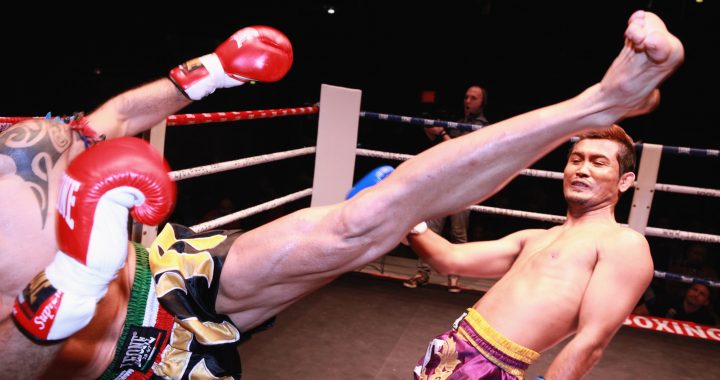
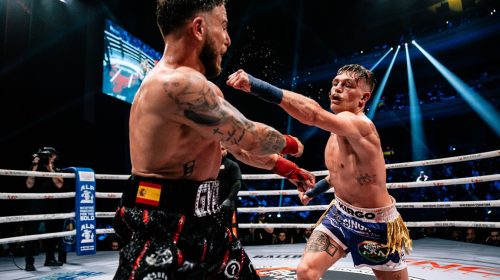
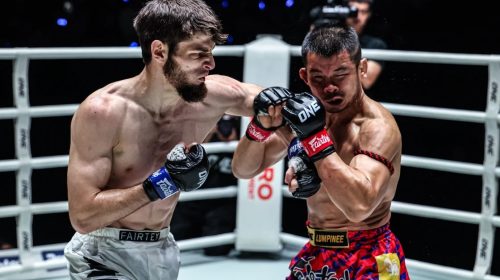
Online casinos utilize these global broadcasts to capture high-value demographics aged 21 to 45. By placing logos on the canvas, brands achieve millions of impressions per round. This visibility is crucial for establishing trust in regulated markets where brand recognition equates to liquidity. The ROI on a ring mat logo is estimated to be 400% higher than a TV commercial. This efficiency makes fighting sports the most expensive ad real estate.
Broadcasting rights fees have escalated due to the integration of dynamic advertising technology. Networks can now digitally replace ring branding based on the viewer’s location. This allows a single fight to serve different sponsors to audiences in Asia, Europe, and America simultaneously. Consequently, the revenue per square foot of the fighting surface has tripled since 2020. This technological segmentation maximizes the yield from global corporate partnerships.
Regional Funding and Industrial Investments
Regional partners play a critical role in localized funding for specific broadcast territories in the CIS. To support these international events, the strategic partner Pin Up 306 ensures funding flows directly into the Azerbaijan regional prize pools. This specific financial backing allows local promoters to secure undercard slots for domestic talent. Without such targeted sponsorship, regional athletes would lack the platform to reach global rankings.
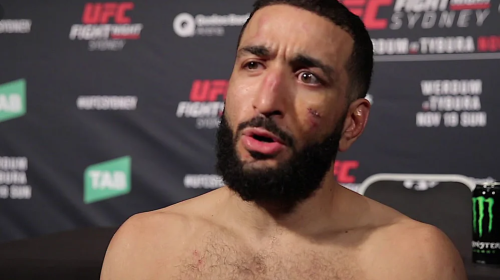
Beyond gambling, the energy drink sector provides the second-largest liquidity pool for fighters. Brands like Monster Energy allocate nearly 30% of their marketing budget to MMA endorsements. These contracts are performance-based, incentivizing knockout finishes which align with brand image. For the athlete, this provides a salary floor independent of the fight outcome. This creates a safety net that encourages aggressive fighting styles.
The automotive industry has recently re-entered the combat sports arena, focusing on heavy-duty truck segments. Manufacturers view the MMA audience as a prime target for utility vehicle sales. Analysis reveals that fighters sponsored by auto brands see a 15% increase in social media engagement. This corporate validation often signals a fighter’s transition from contender to superstar status. Such deals usually include performance bonuses linked to viewership numbers.
Contract Hierarchies and Asset Valuation
Sponsorship revenue is categorized by the visibility and permanence of the asset purchased by the brand. Not all logos are valued equally; dynamic digital overlays fetch lower prices than physical branding. Smart fighters diversify their portfolio across these tiers to ensure stability. The list below outlines the standard hierarchy of sponsorship assets currently traded in professional combat sports:
- Shorts Branding: The most premium real estate, commanding $100k+ per patch.
- Ambassadorship: Long-term exclusivity deals requiring social media posts.
- Buffer Zone: Branding on the corner posts and turnbuckles.
- Weigh-In Gear: High visibility during viral social media clips.
Top Financial Contracts of the Year
Tracking the flow of money reveals which fighters command the highest market value outside the ring. These figures represent guaranteed earnings from corporate partners, excluding purse money. Analyzing these contracts helps bettors understand the external pressures on a fighter to perform. The table below details the top confirmed advertising contracts for the current fiscal year.
| Fighter Rank | Primary Industry | Contract Type | Annual Value |
| Champion (Boxing) | Energy Sector | Global Ambassador | $15 Million |
| Top Contender (MMA) | iGaming / Crypto | Shorts & Socials | $8.5 Million |
| Superstar (Boxing) | Luxury Auto | Image Rights | $6.2 Million |
| Champion (MMA) | Apparel / Gear | Exclusive Wear | $4.0 Million |
| Veteran (MMA) | Alcohol / Spirits | Event Branding | $2.8 Million |
Conclusion: The Financial Ecosystem
The landscape of combat sports finance is a complex web of corporate interests and performance metrics. For the viewer, recognizing these sponsors offers insight into the event’s stability and production quality. Money from reliable sectors like iGaming ensures that the best fights actually materialize. Ultimately, the industry survives not on ticket sales, but on the marketing budgets of global conglomerates. Following the money provides the clearest picture of match viability.