

















MMA in 2025: Weight Cutting, Recovery, and the Fight for Fighter Health
Changes in MMA: Weight, Recovery and the Battle for 2025
Not long ago, fight week was a horror movie shot in a locker room. Bin bags, bath towels and a dying sauna; a fighter swaying on the scale while the coach swore everything was fine. People called it “discipline”. The body called it abuse.
In 2025 that old ritual is finally being dragged into the light. Bigger TV deals mean more eyes on fighter safety, not just knockouts. Data, doctors and regulators are all asking the same question: how many careers have already been lost on the bathroom scale?
From crash diets to planned cuts
Most elite gyms now treat weight like a campaign, not a last-minute ambush. Research across MMA, including UFC, suggests that rapid weight loss remains the norm: surveys typically find that around 80–90% of fighters use it, with many dropping 5–10% of their body mass in the week before weigh-ins.
The picture around performance is more complicated. Some large analyses show that fighters who regain a bit more weight between the official weigh-in and the walk-out may have a small edge. Others, focusing specifically on UFC events, find no clear link at all between huge cuts, big overnight regains and winning. What is consistent is the message on health: the more extreme the swing, the higher the physiological stress.
The smarter teams plan backwards from fight night. Fighters are pushed to live closer to their real division, use steady fat loss through camp, then rely on only a small water cut at the end. The tough guy who used to brag about shedding ten kilos in three days now hears his coach say something rarer: “Move up a class or I won’t corner you.”
Science in the gym
Behind the pad work sits a quiet army of specialists. The UFC Performance Institute and similar centers publish detailed guides on safer cuts. Those guides recommend that athletes arrive to fight week already close to their class, losing no more than around 8% of body mass in that final stretch, and being within roughly 10% of the division limit by fight night. Bigger cuts are flagged as raising the risk of health problems and under-performance rather than guaranteeing a size advantage.
A modern high-level camp usually includes:
- A nutrition plan that phases weight loss over six to ten weeks
- Daily weigh-ins and hydration checks instead of guessing by “how dry the skin looks”
- Recovery blocks with massage, compression and cold therapy baked into the schedule
The new UFC Performance Institute facility in Mexico City, opened in 2024, shows how serious this has become by giving prospects full-time access to sports science, testing and rehab. What used to be a luxury for champions is slowly becoming the entry fee for contenders.
Regulators push back
Regulators have also discovered the calculator. In the United States, the California State Athletic Commission publishes fight-night weights for major events and highlights athletes who regain more than about 10% of their body mass after weigh-in. Fighters who consistently spike above that line are often advised to move up in weight and can struggle to get licensed again at the lower class.
Elsewhere, commissions and promotions that use hydration testing go further. They check urine and body mass several times during fight week and clamp down on dehydration cuts so that athletes compete much closer to walk-around weight. Instead of rewarding the most brutal sauna session, the rules reward the fighter who turns up prepared and properly hydrated.
A recent position stand from the International Society of Sports Nutrition backs this direction. It lays out evidence-based strategies for combat-sport weight cuts, strongly warns against extreme dehydration and repeated “yo-yo” weight cycling, and raises concerns about possible long-term health consequences, including for the brain — even while scientists admit they are still mapping the full damage curve. Slowly, the message is landing: your real division is the one your body can live in, not the one you can suffer into twice a year.
Recovery as the new arms race
Once the scales clear, the second fight begins — the race to feel human again. Classic research on MMA competitors showed that even with roughly 24 hours to refuel, a large chunk of fighters turned up to the arena still significantly dehydrated. Newer work has confirmed that repeat-effort performance can stay suppressed a day after an aggressive cut, and that heavy rapid loss can blunt both endurance and cognitive sharpness.
Teams now script rehydration almost minute by minute: measured electrolyte drinks, staged meals, light movement to restart digestion and simple checks of mood and heart-rate variability. Recovery is no longer “take a nap and hope”; it is a game plan that runs from the scale to the walk-out. At world level, the fraction of a second you lose to foggy decision-making or tired legs is the difference between a highlight and a hospital visit.
Bet slips that start at the weigh-in
Far from the bright lights, the ripple effect shows up in cramped living rooms and busy viewing spots. Fans argue over whether a savage cut makes a fighter “dangerous” or doomed. Somewhere between the greasy chicken and the plastic chairs, somebody pulls out a cracked smartphone and checks the odds.
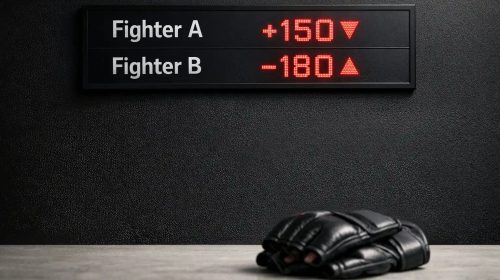
For people who bet on fights, weight management has become another column on the checklist beside reach, age and southpaw stance. Bettors who follow news about brutal cuts, late-notice moves up a division or failed hydration tests feel they have an edge before the first low kick lands. In the same apps where they scroll through pre-match and live lines, a swipe can take them to fast games. One of those is the aviator game, a crash-style title where a rising multiplier can “crash” at any moment, offered by a major operator with wide sports lines and live markets. It sits right next to the MMA odds, giving restless fingers something to tap between rounds while the bet slip sits open.
The sharpest players treat all of this as paid entertainment, not a shortcut to paying school fees or rent. They set limits, respect bankrolls and understand that in fight sports, reading a weigh-in report can be as useful as studying the tale of the tape.
Casinos, crash games, and the line you draw
Away from Saturday’s main card, there is another arena where risk lives: the casino lobby on that same phone. Many fans drift from fight highlights into digital tables and crash games, where the rounds are faster and the temptation to “double one more time” is louder than any ring announcer.
Responsible-gambling groups remind people that casino play should sit inside strict limits of time and money, and that gambling too often or while stressed raises the risk of harm. Modern operators talk more and more about safer-play tools — budget caps, cool-off periods and “reality checks” that pop up when someone has been spinning for too long. That matters when a fan scrolls from a fight replay straight into a casino section full of crash titles under the same brand; melbet aviator sits there alongside other quick-fire games, using the same account, the same balance and the same habit of chasing the next big moment.
For operators that carry licences in multiple markets and invest in wide sports books, flexible payment systems and award-winning betting products, long-term success depends on players staying in control, not flaming out in one bad night.
What it means for fighters — and for us
Look past the walk-outs and the trash talk, and you can already see the new era. More fighters are choosing to move up a class and stay there. Some corners throw in the towel a little faster when a drained athlete starts to fade. Journalists and analysts now spend as much time on walk-around weight and recovery protocols as they do on jabs and leg kicks — a reflection of how seriously health is taken in modern coverage.
For fighters, the trade-off is simple: less extreme cutting, more years of work and clearer memories when it is over. For fans and bettors, it means cards with fewer last-minute cancellations and fewer nights ruined by someone collapsing on the scale. Whether you are trimming kilos or placing odds, the real edge comes from patience, planning and respect for limits.
The fighter who listens to their body, the fan who treats betting and casino games as entertainment inside a budget, the coach who tells an athlete to move up instead of squeeze down — they are all playing the long game.