















The Competitive Spirit of Esports and Combat Sports Compared
The Competitive Spirit of Esports and Combat Sports Compared
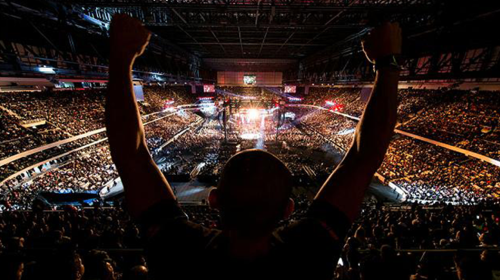
Esports and combat sports may appear to stand on opposite ends of the competitive spectrum, yet their similarities reveal a fascinating overlap that continues to capture worldwide attention. Both require immense dedication, years of training, and a mastery of intense competitive environments where precision, timing, and mental resilience often determine the outcome. As esports grows into a massive global industry with millions of devoted fans, its parallels with long-established combat disciplines such as boxing, MMA, kickboxing, and traditional martial arts become increasingly evident. Understanding these connections allows fans and analysts to appreciate how digital competition reflects many of the same values and pressures seen in physical athletics. This convergence illustrates an important truth: whether competition unfolds on a digital battlefield or inside a ring, both arenas challenge human limits, push emotional boundaries, and ignite the same deep-rooted desire to achieve mastery. This evolving landscape continues expanding as technology, culture, and sports consumption habits reshape global entertainment.
The Rise of Professional Structure in Competitive Arenas
Over the last decade, esports has transformed from an amateur pastime into a highly professional ecosystem featuring franchised leagues, corporate teams, advanced training facilities, and multi-million-dollar sponsorship deals. This growth mirrors the historical evolution of combat sports, which established strict structural frameworks to maintain athlete professionalism, marketability, and competitive fairness. Today’s esports tournaments integrate live commentary, pre-game analysis, coaching departments, player branding campaigns, and statistical breakdowns similar to those found in major fighting promotions.
What further strengthens the comparison is the rise of strategy-heavy competitive titles whose tournaments rival traditional fight events in global reach and viewer engagement. Major championships connected to dota 2 events have become significant landmarks within the esports calendar, drawing international audiences much like prominent MMA title fights or boxing championship nights. The depth of preparation, talent scouting, athlete development, and team infrastructure within esports continues to expand and now mirrors the operational models of top combat sports organizations, demonstrating that professional competition is no longer limited to physical arenas.
Training, Discipline, and Athlete Development

While combat sports depend heavily on physical conditioning, explosive power, and precise biomechanics, esports demands exceptional mental stamina, mechanical coordination, cognitive speed, and strategic adaptability. Yet both disciplines share an unshakable foundation: rigorous training schedules, disciplined lifestyles, and a relentless pursuit of improvement.
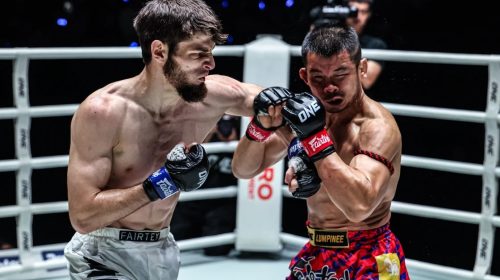
Combat athletes engage in strength training, sparring sessions, endurance drills, and technical refinement under the guidance of veteran coaches. Similarly, esports players maintain strict routines centered around mechanical drills, reaction-time exercises, VOD reviews, strategy meetings, and team scrims designed to simulate real match conditions. Many modern esports organizations employ nutritionists, sports psychologists, physiotherapists, and fitness trainers to help athletes maintain peak performance.
Despite physical differences, both types of competitors must overcome fatigue, manage performance anxiety, develop consistent routines, and build mental toughness. This shared culture of discipline proves that high-level competition — whether digital or physical — demands structure, persistence, and balanced athlete development. With the growth of purpose-built esports training facilities and integrated performance programs, the line between digital athletes and traditional fighters continues to fade.
Psychological Warfare and Competitive Mindset
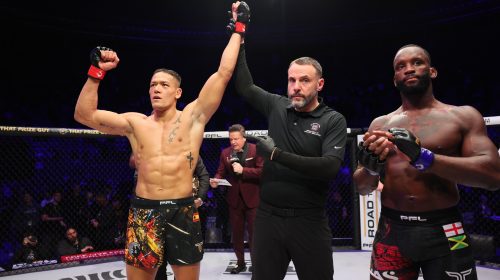
Competition at the highest level is as much psychological as it is physical or technical. Combat sports athletes depend heavily on mental preparation — reading opponents’ movements, anticipating strikes, handling crowd pressure, and maintaining emotional control when the stakes are highest. A single moment of hesitation can determine victory or defeat.
Esports mirrors these psychological demands. Players must stay composed during clutch moments, maintain strategic clarity under stress, and make split-second decisions that influence entire matches. The mental strain of performing before massive online and arena audiences can be overwhelming, especially as major tournaments sometimes attract millions of live viewers.
The emotional cycle is nearly identical in both disciplines: confidence building, rivalry tension, fear of failure, recovery after defeat, and the ongoing development of competitive identity. Both fighters and esports players adopt visualization techniques, breathing exercises, meditation routines, and post-performance analysis to strengthen mental resilience. This psychological overlap highlights that the mind is as crucial a weapon as physical skills or mechanical precision.
Fan Culture, Broadcasting, and Global Reach
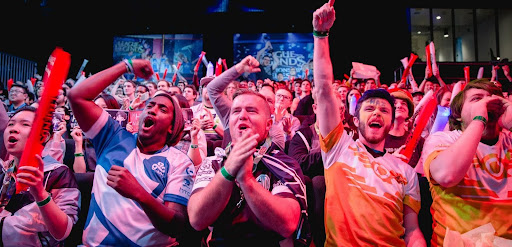
Fan culture acts as the lifeblood of both combat sports and esports, shaping how events are consumed, celebrated, and remembered. Combat sports fans have long been known for their passion, storytelling enthusiasm, and emotional investment in fighters’ journeys. Esports communities have developed similar — and often even more interactive — ecosystems driven by digital engagement, livestreaming, social platforms, and 24/7 content availability.
Modern esports broadcasting replicates many traditional sports elements: professional commentary teams, studio analysts, cinematic replays, slow-motion breakdowns, pre-fight style comparisons, and highlight compilations. As with major fight promotions, esports organizations create narrative arcs around players and rivalries, drawing audiences into long-term emotional investment.
Thanks to digital accessibility, esports boasts one of the fastest-growing global audiences, reaching millions across multiple continents without logistical limitations. This worldwide reach continues to reshape the entertainment industry, bringing esports closer than ever to the cultural impact historically enjoyed by combat sports.
The Evolving Relationship Between Digital and Physical Competition
In recent years, the relationship between esports and combat sports has become increasingly collaborative. Professional fighters frequently engage with esports communities through streaming platforms, gaming sponsorships, and cross-promotional events. Boxing and MMA organizations now invest in gaming partnerships to attract younger audiences, while esports events incorporate elements of traditional sports showmanship such as athlete walk-ins, hype packages, and live crowd performances.
Video game simulations also serve as cultural gateways, introducing esports fans to martial arts disciplines and combat sports traditions. Meanwhile, gyms and training centers have begun adopting esports-friendly spaces designed to bridge physical and digital competitive cultures. These interactions demonstrate that both fields influence each other in meaningful ways, encouraging hybrid entertainment formats, crossover storytelling, and shared industry innovations.
As technology evolves, virtual and physical competition will likely intersect even more — through VR combat simulations, AI-enhanced analytics, multi-disciplinary tournaments, and interactive fan-driven formats. The future suggests an increasingly interconnected competitive world where digital and physical skillsets blend in new, exciting ways.
Conclusion
The competitive spirit uniting esports and combat sports illustrates a universal truth: regardless of the arena, the human drive to surpass limits, challenge opponents, and achieve mastery remains the same. Both disciplines require discipline, strategic thinking, psychological strength, and a willingness to evolve. As esports continues to rise and combat sports adapt to modern digital culture, their similarities grow stronger, shaping the future of global competition. Ultimately, whether victory is earned inside a cage or on a digital battlefield, the passion behind the pursuit remains equally powerful and deeply inspiring.