












What Makes Football Derbies Special for Fans
Football derbies turn ordinary matches into tribal warfare. Seriously, watch a Manchester United versus Manchester City match and you’ll see grown adults screaming at televisions like their lives depend on the result. These aren’t just games – they’re cultural events that divide families, neighborhoods, and entire cities for ninety minutes. Derby matches tap into something primal about human nature, creating loyalty and hatred that transcends rational thought. This emotional intensity appears in various competitive environments, from local rivalries to high-stakes contests found on platforms like Arabtopcasino.com listed casinos for Sauid Arabia where personal investment creates similar passionate engagement.
Historical Roots Run Deeper Than Football

Most football derbies started as community conflicts long before anyone kicked a ball professionally. Liverpool versus Everton reflects religious divisions that split the city for generations. Rangers versus Celtic carries sectarian tensions that have literally caused riots and political controversy. These matches became outlets for social frustrations that existed independently of sport.
The Old Firm derby in Glasgow demonstrates how football rivalry can mirror broader cultural conflicts. Protestant versus Catholic, unionist versus nationalist, working class versus middle class – all these divisions play out through football support. When Rangers and Celtic meet, fans aren’t just supporting teams; they’re defending entire worldviews through sport.
Geography Creates Unavoidable Confrontation
Living near your rivals makes derby matches unavoidable social events. Manchester United and Manchester City fans work together, attend the same schools, and drink in the same pubs. Derby results determine workplace conversations for weeks, affecting daily life in ways that other football matches cannot.
The Milan derby between AC Milan and Inter Milan demonstrates how shared geography intensifies rivalry. Both teams play at San Siro, meaning fans literally occupy the same space twice per season. This proximity creates confrontations that feel more personal than matches between distant clubs.
Barcelona versus Espanyol provides another example of how geography shapes derby intensity. Espanyol was founded by Spanish speakers who felt excluded by Barcelona’s Catalan identity. The teams share the same city but represent different cultural allegiances, making their matches about more than football results.
Stadium Atmosphere Reaches Peak Intensity
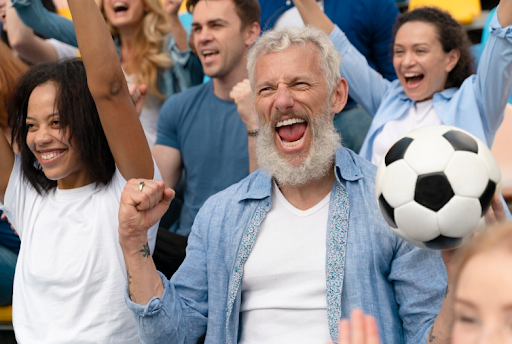
Derby matches generate stadium atmospheres that casual football fans struggle to comprehend. The noise levels, coordinated singing, and visual displays create experiences that transcend sport and become cultural performances. These atmospheres intimidate visiting players while inspiring home supporters to extraordinary displays of loyalty.
The clash between Fenerbahçe and Galatasaray in Istanbul generates some of the most electrifying atmospheres in world football. The sheer volume from Turkish fans often drowns out on-field communication, while massive choreographed displays—featuring banners, flares, and coordinated colors—turn the stands into a living spectacle. These derbies transcend sport, resembling deeply emotional rituals more than ordinary matches.
The Superclásico between Boca Juniors and River Plate demonstrates how derby atmospheres can become genuinely dangerous. The passion levels exceed safety considerations, creating situations where football becomes secondary to tribal expression. Police presence at these matches resembles military operations rather than crowd control.
Stadium atmosphere during derbies often reflects broader cultural practices. German derbies feature organized singing and choreographed displays that emphasize collective identity. English derbies produce more spontaneous reactions and individual expressions of support.
Social Identity Through Team Allegiance
Your derby team isn’t really a choice – it’s more like your accent or your eye color. You inherit it from your dad, your neighborhood, your primary school mates. Try switching from Liverpool to Everton and see how your family reacts. It’s not happening. People have been disowned for less dramatic betrayals than changing derby allegiances.
I know a guy who got promoted at work partly because his new boss was a fellow Tottenham fan. They bonded over shared misery about the team’s inability to win trophies, and suddenly he’s getting invited to client meetings. That’s not unusual – derby support opens doors that professional qualifications sometimes can’t. You meet people at work, at the gym, at your kid’s school, and if they support your team, there’s instant connection.
Dating gets complicated when you support rival teams. Manchester has couples who sleep in separate beds after derby matches. I’m not joking – the emotional toll of watching your partner celebrate while you’re devastated creates genuine relationship problems. Some people refuse to date supporters of their rival team entirely, which sounds extreme until you’ve experienced derby heartbreak firsthand.
Growing up in a derby city means choosing sides whether you want to or not. Kids get asked “United or City?” before they can properly kick a ball. Your answer determines which friends you make, which pubs you’ll drink in as an adult, and how you’ll view half your neighbors. It’s tribal membership masquerading as sports fandom—a way to experience loyalty, identity, and rivalry under the socially acceptable banner of supporting a team.
The psychology behind this is deeply intriguing. A derby win feels like a personal triumph, even if you had no direct role in the outcome. Conversely, a loss can bring real shame, despite having no influence on the result. It’s a form of socially sanctioned tribalism—intense, emotional, and deeply irrational—that would seem absurd in almost any other setting.