














What to Know About Armodafinil for Athletes
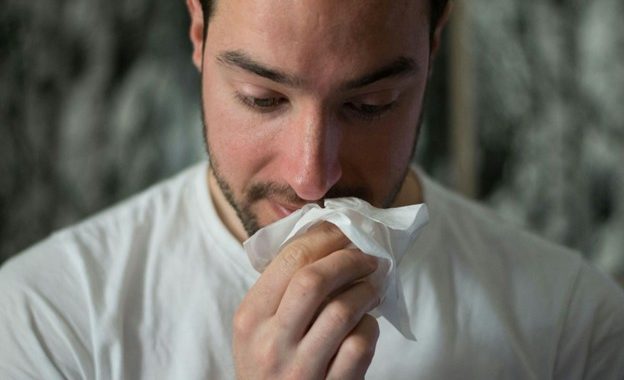
A hard sparring round can look sharp, then fatigue makes timing drift within the next exchange. Lack of sleep often shows up as late reactions, missed cues, and rushed choices under real pressure. Travel, weight cuts, and early call times often cut rest windows during a long camp.
If you want a plain language page that compares armodafinil and modafinil, see buymoda.net/armodafinil-guide/ as background reading. Use it to frame questions for a doctor, and avoid taking it yourself to push training sessions. A careful plan starts with safety, law, and testing risk, since rules differ across leagues.

Why Athletes Look At Wakefulness Drugs
Combat sports punish short lapses in focus, because one slow read can change a round fast. Fighters also balance film study, rehab, and day jobs, which can stretch those long days. Some chase alertness without the shaky feeling they get from heavy caffeine and energy drinks.
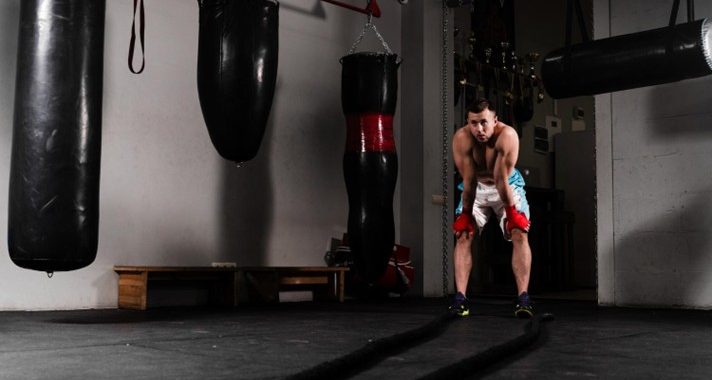
Interest often rises during camp and travel weeks, when schedules tighten and nerves run high for athletes. Early weigh ins can reduce sleep and food intake, which makes daytime fatigue feel stronger. Bright arenas and long waits between matches add stress, so staying awake feels like a priority.
Feeling awake is not the same as being sharp, since clean decisions depend on sleep quality and steady blood sugar. A wakefulness drug can hide fatigue while your body stays stressed, which can distort effort and pacing. That mismatch can lead to mistakes in sparring and slower recovery after hard sessions all week.
What Armodafinil Is And What It Is Not
Armodafinil is given for strong daytime sleepiness tied to narcolepsy, shift work sleep problems, and treated sleep apnea. It is not approved as a training aid, and it is not a substitute for sleep and recovery planning. In the United States, armodafinil is a Schedule IV controlled drug, which means stricter rules.
People compare armodafinil with modafinil because they are related meds with similar wake effects for athletes. Armodafinil is the R enantiomer of modafinil, and it tends to stay active longer in blood. That longer action can disrupt bedtime and sleep depth, even when you feel fine late afternoon.
Longer action can also matter for testing, because detection windows can outlast your sense of normal function. Even if you feel steady, lab assays can still detect metabolites after the felt effects fade. For approved uses and labeled warnings, read the FDA prescribing information before discussing any use with a clinician.
Risk Areas That Matter In Training And Competition
The first risk is poor sleep, because pushing wakefulness during the day can shift your night routine. Short sleep can blunt learning, raise injury risk, and increase anger during sparring and drilling rounds. Over time, that pattern can slow progress even when training volume stays high in camp.
The second risk is strain from mixing stimulants, which is common when athletes chase weight loss. Many athletes use caffeine, pre workout blends, fat loss aids, or cold meds without tracking totals. Combining stimulants can raise heart rate and blood pressure, and it can trigger heart flutters or shaking.
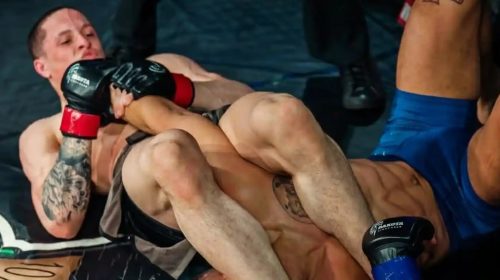
The third risk is false confidence, because feeling awake can make reaction time seem better than it is. Fatigue still shifts judgment and impulse control, even when alertness feels high during practice and drills. In MMA it can cause brawling at bad moments, and in BJJ it can cause forced grips.
If you and a doctor discuss this medicine for a real sleep disorder, bring training context to the visit. These points help the talk stay practical, while reducing extra risk from stacking and dehydration. Share details with calm honesty, since missing facts can block safe medical choices in camp.
- Daily caffeine amount, plus the time of your last dose each day
- Any weight cut plan, dehydration history, or diuretic use during camp
- Heart rhythm history, high blood pressure history, or fainting episodes in training
- Anxiety, depression, or past stimulant reactions that changed sleep or mood
- Other medicines, including ADHD meds or antidepressants taken during the same season
Rules, Testing, And Paper Trails
Before you think about results, think about what can trigger a suspension after a drug test. Combat athletes move between local shows, amateur leagues, and larger shows with different testing rules. A substance ignored last month can be checked next month, with no allowance for habit.
Agents related to modafinil and armodafinil are often treated as banned stimulants in competition without medical waivers. The safest assumption is that a positive test can happen, even if you did not mean to cheat. If you are unsure, ask your promotion, commission, or governing body in writing before competing.
Paperwork matters even outside big league testing, because medical checks can include questions about prescriptions. A vague answer can create delays, extra scrutiny, or a report that follows you to later events. If a doctor prescribes the medicine for a real diagnosis, keep copies for your athlete folder.
- Diagnosis notes and any sleep study results, if your clinician ordered them for evaluation
- Prescription records and refill history that show dates and amounts in a consistent sequence
- Any waiver paperwork required by your sport, plus proof you submitted it on time
- A list of supplements you take, with brands and amounts, updated whenever products change
Paper trails do not erase risk, but they reduce confusion when officials or doctors ask hard questions. They also help ringside staff react fast if symptoms look like dehydration or sudden panic. Clarity protects your health, your license, and your ability to compete on schedule each season.
Talk With A Clinician Like An Athlete, Not A Fan
Armodafinil can feel like a simple fix for tiredness, but tiredness has causes worth naming early. Late night screens, low iron, overtraining, and sleep apnea all show up in fighters over time. Treating the symptom without the cause can drop performance, while health slips quietly between camps.
If you want a plain summary of uses, warnings, and mixing risks, read MedlinePlus armodafinil information. Bring a short log that lists sleep time, naps, caffeine, and training load for two weeks. Add travel days, hard sparring days, and any mood changes, since these details help medical choices.
If medication is still on the table, agree on limits before you change anything in camp. Decide what counts as a stop sign, such as insomnia, anxiety spikes, rash, or chest pain. Decide how you will protect sleep on rest days, since training improves only when recovery stays intact.
Use armodafinil as a medical tool for a diagnosed problem, not a shortcut for camp stress and poor sleep. If you compete, assume testing and rules can punish mistakes, even if you felt honest intent. Your safest edge is still the basics, sleep, food, hydration, and steady training plans done daily.