



















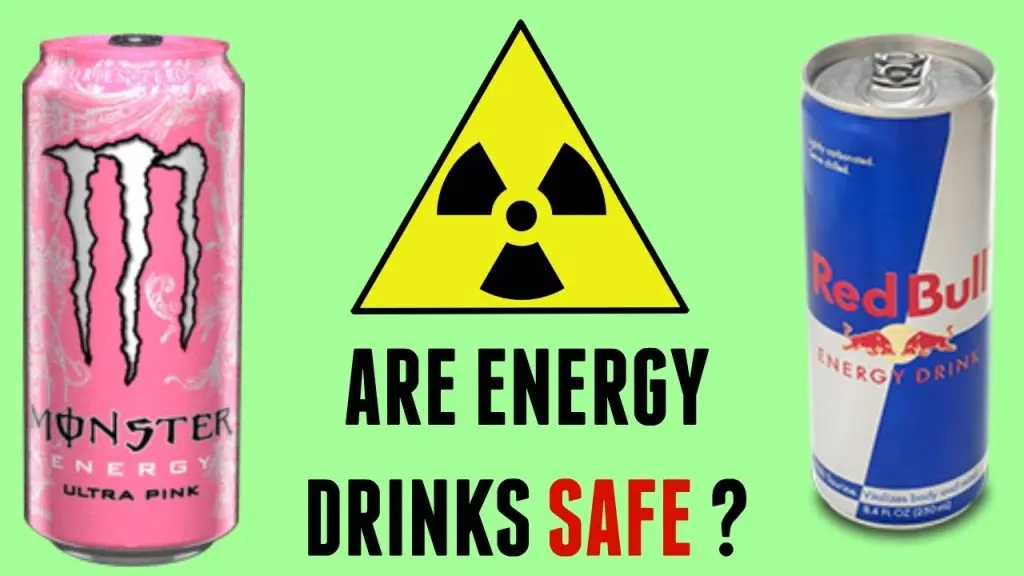
Energy Drinks: A Double-Edged Sword for Health and Vitality
In an era where hustle culture reigns supreme, energy drinks have become a staple for millions seeking a quick boost to power through long days, workouts, or late-night study sessions. With the global energy drink market projected to reach new heights in 2025, questions about their safety and efficacy continue to spark debate among health experts, consumers, and regulators.
Are these fizzy elixirs a harmless pick-me-up or a potential health hazard? Drawing from recent studies and nutritional analyses, this article delves into the science behind energy drinks, weighing their benefits against the risks, and highlights examples of those that might offer some advantages versus those best avoided.
The Upside: Potential Benefits of Energy Drinks
Energy drinks are formulated to enhance alertness and performance, primarily through caffeine, amino acids like taurine, and B vitamins. Research indicates they can improve cognitive function, such as attention and reaction time, particularly in sleep-deprived individuals. For athletes or those engaged in physical activities, some studies suggest moderate consumption may enhance endurance and strength by stimulating the central nervous system and delaying fatigue. In controlled amounts, these beverages can provide a temporary energy surge without long-term harm for healthy adults, according to health authorities like the Mayo Clinic.
However, these perks are not universal. Benefits are most pronounced in low to moderate doses, and they don’t replace proper sleep, nutrition, or hydration.
The Downside: Health Risks and Concerns
Despite their appeal, energy drinks carry notable risks, especially when consumed excessively or by vulnerable groups like children, adolescents, pregnant individuals, or those with heart conditions. High caffeine content—often ranging from 100 to 300 milligrams per serving—can lead to elevated heart rate, increased blood pressure, and irregular heartbeats, potentially exacerbating conditions like arrhythmias. Harvard Health reports links to dehydration, anxiety, insomnia, and in rare cases, even cardiac events or deaths, particularly when mixed with alcohol or other stimulants.
Added sugars in many varieties contribute to obesity, diabetes, and dental issues, while stimulants like guarana and L-carnitine may amplify these effects. The CDC highlights concerns for youth, noting potential nervous system disruptions and emergency room visits related to overconsumption. Overall, while occasional use might be fine for most, daily reliance is discouraged by experts.
Energy Drinks That May Be Good for You
Not all energy drinks are created equal. Some brands prioritize natural ingredients, lower sugar, and moderate caffeine, making them potentially better options for those seeking a boost without excessive downsides. Nutritionists often recommend varieties with clean labels, antioxidants, and electrolytes. Here are several examples evaluated positively in 2025 reviews:
Zevia Zero Sugar Energy Drink: This stevia-sweetened option packs 120mg of caffeine from green tea, with zero calories and no artificial additives. It’s praised for supporting steady energy without crashes, ideal for those watching sugar intake.
Guayakí Yerba Mate: Derived from organic yerba mate leaves, this drink offers about 150mg of natural caffeine per can, along with antioxidants and theobromine for sustained focus. It’s low in sugar and promotes mental clarity, earning nods as a healthier alternative to synthetic boosts.
Celsius Essential Energy Drink: With 200mg of caffeine from green tea extract, plus vitamins and metabolism-boosting ingredients like ginger, it’s marketed for fitness enthusiasts. Studies suggest it may aid in calorie burning, and its zero-sugar versions are favored for minimal side effects.
Nuun Energy Tablets: Dissolvable in water, these provide 80mg of caffeine from green tea, electrolytes, and B vitamins. They’re low-calorie, hydration-focused, and suitable for athletes avoiding heavy sugars.
GORGIE Energy Drink: Featuring natural flavors, 150mg of caffeine, and added nootropics for brain health, this low-sugar option is highlighted for its clean profile and lack of artificial dyes or preservatives.
These selections emphasize transparency and balance, potentially offering benefits like improved hydration or antioxidant support when used sparingly.
Energy Drinks That Are Definitely Bad for You
On the flip side, certain energy drinks stand out for their extreme formulations, loaded with excessive caffeine, sugars, or synthetic additives that amplify health risks. These are often flagged by consumer watchdogs for contributing to jitters, crashes, and long-term issues. Avoid these if prioritizing health:
Reign Total Body Fuel: Boasting 300mg of caffeine per 16oz can—equivalent to three cups of coffee—this zero-sugar drink is criticized for its intense stimulant load, which can trigger heart palpitations and anxiety in sensitive users.
Bang Energy: With 300mg of caffeine and artificial sweeteners, it’s linked to high sodium levels and potential kidney strain. Reviews label it as overly aggressive, leading to crashes and digestive upset.
5-Hour Energy Shots: These tiny bottles deliver 200mg of caffeine in a concentrated form, often without balancing nutrients. They’re associated with rapid heart rate spikes and are not recommended for regular use due to lacking hydration elements.
Monster Energy: A classic with up to 160mg caffeine and 54g of sugar per 16oz, it contributes to calorie overload and blood sugar swings. Health reports tie it to emergency visits from overconsumption.
Rockstar Energy: Containing 160mg caffeine and high sugar (up to 63g), variants like Punched are slammed for promoting obesity and caffeine dependency.
These drinks often exceed daily recommended caffeine limits (400mg for adults), making them risky for habitual drinkers.
Striking a Balance in 2025
As energy drink innovation surges—with new low-sugar and plant-based options hitting shelves—the key takeaway is moderation. Health organizations advise limiting intake to one serving per day for adults and avoiding them entirely for minors. If you’re considering energy drinks, opt for those with transparent ingredients and consult a healthcare provider, especially if you have underlying conditions.
Ultimately, true sustained energy comes from lifestyle factors like balanced diet and rest, not just a can.