














What Every Gamer Should Learn From Fighters About Strategy
You might be surprised to learn how similar the octagon is to the gaming screen. Both require quick thinking, the ability to spot patterns, and the kind of perseverance that distinguishes winners from casual players. From casual sessions after a long day to competitive esports, MMA athletes spend years developing mental frameworks that translate remarkably well to gaming of all kinds.
What specifically can fighters teach the rest of us about playing more strategically?
Examining the Circumstances Before Taking Action
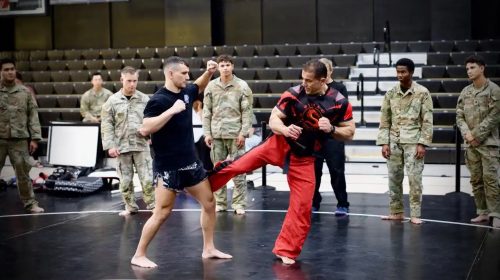
Watch the opening round of any elite fighter. Seldom do they unleash a ferocious attack. Rather, they watch. They use jabs as a test. They observe how their opponent responds to feints, how they move under pressure, and where their eyes go prior to a throw.
Although casual viewers may perceive this information-gathering stage as passive, it lays the groundwork for everything that comes after. It is referred to by fighters as downloading their opponent.
The same idea can be used by gamers. Rushing in without observation usually results in poor performance, whether you are learning the mechanics of a new game or figuring out timing patterns. Before making aggressive moves, the best players take their time to comprehend the system. They see trends. They test hypotheses. They create mental models of how things operate.
More gaming sessions are ended by impatience than by a lack of skill.
Using Your Resources Like a Champion
In mixed martial arts, cardio management is a harsh teacher. If you put in too much effort in the first round, you will be struggling to breathe by the third round as your opponent dissects you. Smart fighters budget their energy like accountants budget spreadsheets because every action has a cost.
Gaming functions in a similar way. Resource management distinguishes successful sessions from unsuccessful ones, whether you are controlling cooldown timers, in-game currency, or simply your own attention span. This method works even for something as simple as playing HelloMillions slots. Players who set boundaries for their sessions, pace themselves, and view each spin as a part of a longer experience typically have more fun than those who try to finish everything in five frantic minutes. While it may be thrilling to blow everything at once, sustainable play necessitates pacing.
When their heart rate spikes, fighters train themselves to remain composed. They acquire the ability to identify when adrenaline is driving them to make poor choices. The same self-awareness prevents players from chasing losses with increasingly reckless play or tilting after a poor round.
The Mental Game No One Discusses
The fact that professional fighters lose a lot is something that fight fans seldom think about. They get submitted in training. Sparring partners drop them. Before they successfully execute the same moves in competition, they practice them thousands of times.
Their psychology is shaped by this relationship with failure. Instead of being catastrophes, losses become data. Unfavorable results are examined rather than lamented. Improvement takes precedence over the ego.
Adopting this mentality helps players enjoy their sessions more and advance more quickly. Instead of being frustrating, a losing streak becomes fascinating. What went wrong? What could change? Was it poor timing, bad luck, or poor judgment?
Fighters are always reviewing the tape. They are brutally honest in their analysis of their own performances. Asking yourself what you learned after each session instead of just whether you won could be the gaming equivalent.
Timing Is Crucial
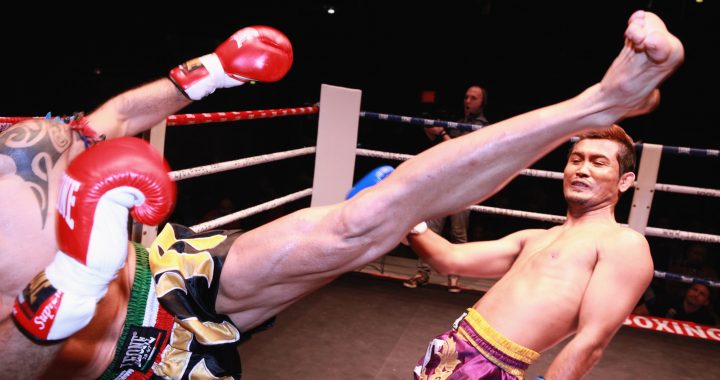
Any knockout artist will eventually discuss timing if you ask them about their power. The strongest athletes weren’t always the hardest punchers in MMA history. They knew how to make their strikes land cleanly, when to throw, and how to catch opponents in transition.
In gaming, timing is equally important. Thoughtful players are different from button mashers in that they know when to push advantages, when to hold back, and when to make moves. Sometimes the winning play does nothing at all. Sometimes it’s realizing that the ideal opportunity takes time to materialize.
Fighters practice timing until it comes naturally to them. Through experience, gamers gain the same sense, but only if they are observing patterns instead of merely responding on an emotional level.
Remaining Calm in the Face of Chaos
Cage fights are chaotic. Physical tiredness, thousands of yelling supporters, and an opponent deliberately attempting to knock you out. Maintaining focus in the face of all of that is an enormous mental challenge.
Skilled fighters learn how to remain in the moment. They pay attention to their breathing. They adhere to their strategies. They steer clear of dwelling on the recent events or potential future developments.
When things are not going your way, gaming sessions can also devolve into chaos. It makes a huge difference to be able to mentally reset, take a deep breath, and start over for the next round. Usually, carrying over your frustrations from one game to the next just makes your losing streak longer.
Developing a Fighter Mentality
Developing mental toughness doesn’t require taking punches. Observation before action, prudent resource management, learning from mistakes, timing, and being in the moment are all directly applicable.
Fighters are aware that consistent practice with the correct mindset is the key to growth. A thousand unfocused rounds teach less than a hundred rounds of deliberate, thoughtful play.
Use some octagon energy the next time you sit down to play anything. Have patience. Stay observant. And keep in mind that the best fighters understand that winning is a process rather than an accident, just like the best gamers do.