



















Why Liability Coverage Matters For Martial Arts Schools
Martial arts schools help students build discipline, confidence, and physical fitness. However, activities such as sparring, grappling, and striking drills also carry a risk of injury. Even when instructors follow appropriate safety procedures, an accident can lead to a liability claim and unexpected legal expenses.
For school owners, these risks make appropriate insurance coverage an important part of running a martial arts business. The right policy can help cover eligible claims and legal defense costs, depending on its terms, limits, and exclusions.
This complete guide explores six reasons liability coverage matters for martial arts schools, from managing injury claims to protecting instructors and preparing for special events.
1. Protects Your School from Costly Injury Claims
The most direct reason why you should consider buying liability insurance is financial safety. In case a student gets injured, one can question whose responsibility it is to pay for medical expenses. In such situations, martial arts insurance can help cover legal defense, court costs, and settlements or judgments, depending on the policy terms.
Even a claim that proves unfounded can be expensive to defend. A signed waiver is helpful, but its strength varies by state and circumstance, so a policy remains your primary line of defense when something goes wrong in class.
2. Matches the Real Injury Risks of Combat Training
Studies have shown that both striking and grappling can result in actual injuries. A systematic review of injuries in mixed martial arts found that the most common injuries were soft tissue problems such as lacerations, abrasions, and contusions, mainly around the head and neck.
Even minor injuries like this will make parents concerned, involve doctors, and lead to possible liability claims. Your dojo insurance plan is based on the fact that you know that sparring, takedowns, and drilling are a natural part of training, not rare events. A policy designed for your discipline responds to the kinds of incidents your classes actually produce.
3. Covers Instructors, Students, and Staff
A school is not just about its owner. Leading instructors, assistant instructors, junior instructors, and volunteers play a part in how safe it is to train on the mats and can be a target of claims, too. Full martial arts insurance protects you, the individuals running your classes, rather than just the company holding the lease.
This could be general liability insurance, professional liability for errors in instruction, or coverage in case of premises accidents like slipping on the training mat. Checking who has been covered by your insurance policy ensures that if one instructor faces a claim, it doesn’t expose your whole school.
4. Safeguards Tournaments, Events, and Retail Sales
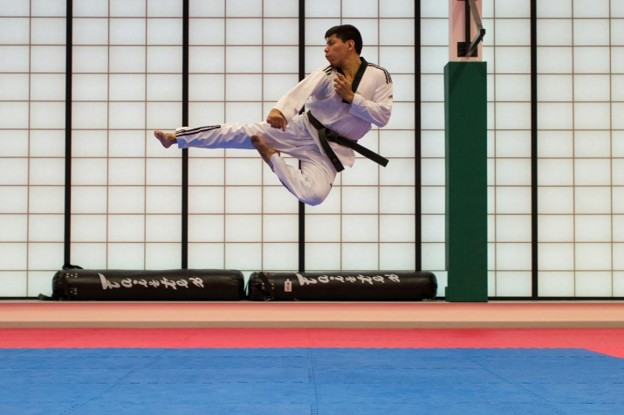
A lot of martial arts businesses get a leg up through holding belt tests, seminars, tournaments, and even through retail sales of equipment and supplements. Every one of these activities adds additional exposure, which a basic insurance policy may fail to cover. A systematic review of taekwondo injuries among the top-level athletes revealed that most of these injuries occurred in the lower limbs (foot and knee), which were rather low-level.
Even such a regular occurrence as frequent low-level injuries creates paperwork and problems when there are hundreds of people watching. Working with a martial arts insurance company that understands events and pro shop product liability helps you confirm each activity is covered before the first competitor steps on the mat.
5. Builds Trust with Parents and Members
Parents trust you with their kids, so safety is an important consideration for choosing a school. Having proper coverage lets them know that you take your responsibilities seriously. It also means that in case of any incident, instead of having to think about whether you have enough money to be generous, you will be able to concentrate on care and documentation.
Owners often realize that the best martial arts insurance is the one that helps you hold productive, honest conversations in case of accidents. That confidence strengthens retention, referrals, and your reputation in the community.

6. Keeps Your Business Financially Stable
Predictable costs beat unpredictable disasters. A modest premium is easier to budget than an unexpected legal bill, and affordable martial arts insurance does not have to mean thin protection. Compare limits, deductibles, exclusions, and included coverages rather than price alone.
Requesting a martial arts insurance quote from specialists shows how these pieces fit your school’s size, class types, and student ages. Strong coverage also helps when landlords, lenders, or event venues ask for proof of insurance, removing roadblocks to growth.
Final Thoughts
Liability coverage can help martial arts schools manage the financial risks associated with injuries, instructional activities, and certain business operations. It can also support responsible planning by helping owners understand their potential exposure and prepare for unexpected claims.
Before choosing a policy, review its coverage limits, exclusions, and eligibility requirements for instructors, events, and retail activities. Comparing suitable options with a qualified insurance professional can help you select protection that aligns with your school’s operations and budget.
Frequently Asked Questions
- What Insurance Do I Need To Run A Martial Arts School?
The most common forms of insurance at the start are general liability for any harm caused to students and any damage to your property, professional liability for the instructors, property insurance for the equipment, and workers’ compensation insurance if you have employees.
- Who offers the best martial arts insurance in the US?
No single provider is best for every school. Look for a company experienced with martial arts, flexible coverage for instructors, events, and retail, clear exclusions, and responsive claims support. Compare two or three options against your own class types and student ages.
- How do I get an insurance quote for my dojo?
Gather details such as student numbers, class types, revenue, employee count, and planned events. Submit them to a specialist agent or insurer, request itemized limits and exclusions, and compare each offer side by side before you sign.