

















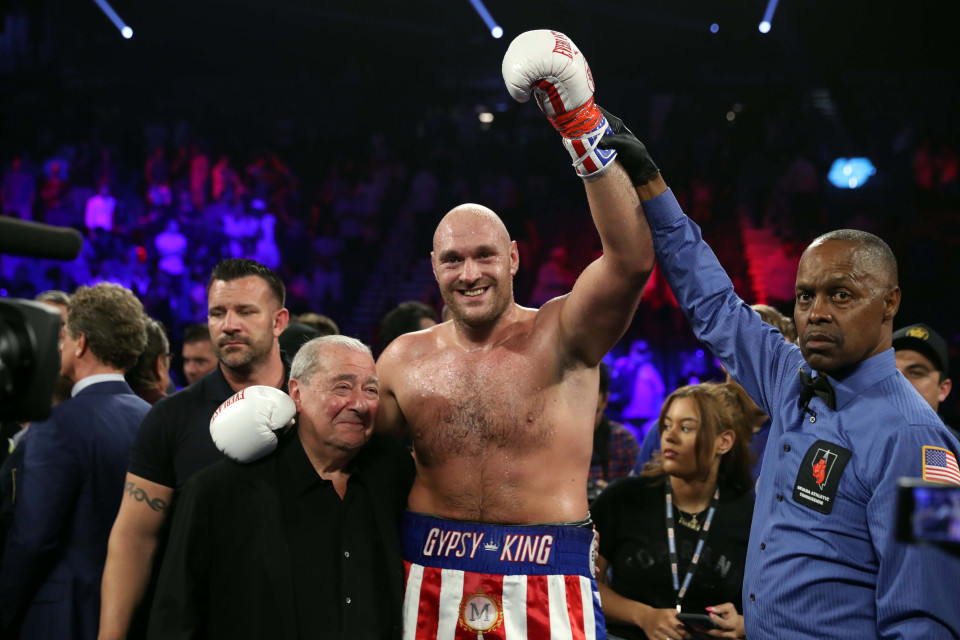
Tyson Fury Reveals Schizophrenia and Bipolar Disorder Diagnoses in Emotional Netflix Documentary
Former heavyweight boxing champion Tyson Fury has revealed that he was diagnosed with schizophrenia and bipolar disorder following a prolonged period of serious mental health struggles.
The 38-year-old British boxer makes the revelations in an upcoming Netflix documentary, offering an intimate account of the psychological difficulties he experienced after reaching the pinnacle of professional boxing.
Fury, who famously defeated Wladimir Klitschko in November 2015 to become heavyweight world champion, described the period that followed as one of the darkest chapters of his life.
Speaking in the documentary, Fury explained how crippling anxiety, depression and disturbing experiences began to take control of his everyday life.
“Words can’t explain the darkness I was in,” Fury said, describing his experience as a living version of hell.
He recalled visiting a psychiatrist in London after his mental health deteriorated, where he underwent an assessment that resulted in diagnoses including schizophrenia and bipolar disorder.
A battle behind the scenes
Despite achieving his childhood ambition of becoming world champion, Fury’s personal circumstances began to unravel.
Following his victory over Klitschko, he experienced significant weight gain, struggled with alcohol and drug use, and eventually stepped away from professional boxing.
Fury also described experiencing auditory hallucinations, explaining that he sometimes heard voices that made it difficult to hold ordinary conversations.
His wife, Paris Fury, also features in the documentary, discussing the shock and confusion surrounding her husband’s diagnosis and the impact his mental health difficulties had on their family.
She recalled initially struggling to understand the medical terminology but gradually coming to recognise the seriousness of his condition.
From personal crisis to boxing comeback
Fury’s mental health struggles contributed to an extended absence from boxing, with many questioning whether he would ever return to the sport.
However, after beginning to rebuild his life, the heavyweight made a remarkable comeback.
He returned to the ring in 2018 and went on to defeat Deontay Wilder in February 2020, reclaiming the heavyweight world championship and re-establishing himself among boxing’s biggest names.
His latest revelations offer further insight into the personal challenges behind one of the most remarkable comeback stories in modern boxing.
Breaking the stigma surrounding mental health
Fury’s decision to speak openly about schizophrenia and bipolar disorder could help encourage greater understanding of serious mental health conditions, particularly within professional sport.
His story also highlights that sporting success, wealth and fame do not make someone immune to mental illness.
The Netflix documentary, titled Tyson Fury, is scheduled for release on November 27, 2026.
For Fury, the revelations provide a deeper look into a battle that took place far away from the boxing ring — one that he describes as among the hardest fights of his life.