















The Inside Truth About Thai-Made Boxing Gloves: What Factories Don’t Want You to Know
For decades, Thailand has been the undisputed capital of combat sports equipment manufacturing. But what really happens inside those Bangkok factories, and why do fighters worldwide swear by Thai-made gloves? After spending time with factory workers, gym owners, and professional fighters across Thailand, I’ve uncovered the real story behind what makes these gloves special—and what you should actually look for when buying.
If you’re hunting for black friday deals for boxing gloves , understanding Thai manufacturing will help you spot real value. And while there are many options, the best Fairtex gloves represent just one example of Thai craftsmanship. For a comprehensive overview, check out this guide to the best muay thai glove brands .
The Thai Factory Advantage: More Than Just Labor Costs
Most people assume Thai gloves are popular because of cheap labor. That’s missing the real story. Thai factories have three advantages that Western manufacturers can’t replicate:
1. Generational Knowledge Transfer
In Samut Prakan province, where many factories cluster, I met craftspeople whose grandparents stitched gloves for Rajadamnern Stadium fighters in the 1960s. This isn’t just manufacturing—it’s cultural heritage. Workers understand the biomechanics of striking because they’ve grown up around the sport.
A senior craftsman at one facility explained: “My daughter can tell if padding density is wrong just by squeezing the glove. She learned this at our dinner table, not in training.”
2. Climate-Tested Materials
Thailand’s brutal humidity (averaging 75-80% year-round) creates the ultimate testing ground. Gloves that survive Bangkok’s climate can handle anything. This forced Thai manufacturers to pioneer:
- Antimicrobial treatments that actually work
- Ventilation systems that don’t compromise protection
- Synthetic materials that outperform leather in moisture resistance
- Adhesives that won’t fail when soaked in sweat
3. Real-Time Fighter Feedback
Unlike Western factories that rely on focus groups, Thai manufacturers get daily feedback from active fighters. Major brands maintain relationships with dozens of gyms, iterating designs based on actual training data.
Understanding Thai Glove Construction
Thai gloves differ from Mexican and Japanese styles in several key ways:
The Padding Philosophy
Mexican gloves (like Cleto Reyes) use horsehair or firm foam for “puncher’s gloves” that provide feedback. Japanese gloves emphasize technology and precise engineering. Thai gloves split the difference—protective enough for daily training but responsive enough to develop proper technique.
The typical Thai glove uses:
- Triple-layer foam system : Soft outer layer (impact dispersion), dense middle layer (shock absorption), firm inner layer (hand support)
- Pre-curved design : Matches natural fist position, reducing fatigue
- Extended cuff : Better wrist support for kicks and clinch work
The Break-In Truth
Here’s what factories won’t advertise: Traditional Thai leather gloves need 2-3 weeks of break-in because they use thicker, less processed hides. This is actually good—it means the leather will last 3-5 years instead of 1-2. Modern microfiber options eliminate break-in but sacrifice that custom-molded feel.
The Big Three: Decoding Thai Brands
Fairtex: The Engineering Approach
Founded in 1971, Fairtex revolutionized Thai manufacturing by combining traditional craftsmanship with modern quality control. Their BGV1 model hasn’t changed in 30 years because they got it right the first time.
What makes Fairtex different:
- Tighter hand compartments (better for technique development)
- Consistent weight distribution (every pair within 0.5oz tolerance)
- Proprietary foam formula that maintains density longer
Twins Special: The Sparring Favorite
Twins prioritizes protection over everything. Their gloves typically feature:
- 15-20% more padding than competitors
- Attached thumb design (reduces eye injuries)
- Softer foam that’s easier on training partners
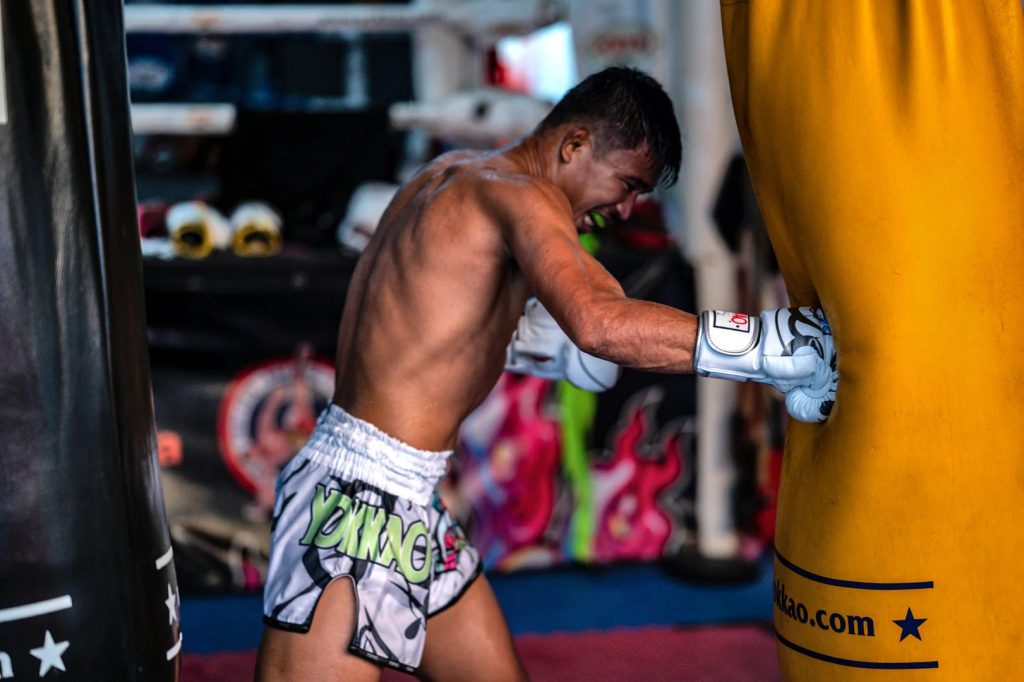
Yokkao: The Modern Evolution
The newest of the big three, Yokkao represents Thai manufacturing’s future:
- Sustainable materials (microfiber that outlasts leather)
- Contemporary designs that photograph well
- Lighter construction without sacrificing protection
What Thai Factories Don’t Want You to Know
The “Handmade” Myth
“Handmade in Thailand” doesn’t mean what you think. Modern Thai factories use:
- Computer-controlled cutting for consistency
- Machine stitching for stress points
- Hand assembly and finishing only
This hybrid approach actually produces better gloves than fully handmade construction. Machine precision where it matters, human touch where it counts.
The Real Cost Breakdown
A quality Thai glove selling for $100 in the US typically costs:
- $15-20 in materials
- $10-15 in labor
- $5-10 in quality control and packaging
- $20-30 to the brand (design, marketing, overhead)
- $30-40 to the retailer
Understanding this helps you spot overpriced gloves (anything over $150 without clear innovation) and suspiciously cheap ones (under $50 likely cuts corners on materials).
The Authenticity Problem
Counterfeit Thai gloves flood the market. Real Thai gloves always have:
- Hologram authentication stickers
- Consistent logo embroidery
- Proper weight (fakes are often lighter)
- Serial numbers matching the box
Choosing Thai Gloves: A Practical Framework
For Daily Training (4+ sessions/week)
Look for:
- Genuine leather or high-grade microfiber
- Triple-layer foam minimum
- Replaceable velcro (will wear out before glove)
- 14-16oz weight
Best picks : Fairtex BGV1, Twins BGVL-3, Yokkao Matrix
For Sparring
Prioritize:
- Extra padding (especially knuckle area)
- Attached thumb design
- 16oz minimum
- Softer outer foam layer
Best picks : Twins BGVL-6, Fairtex BGV5, Yokkao Elite
For Beginners
Focus on:
- Immediate comfort (microfiber over leather)
- Moderate price point ($80-120)
- Versatile weight (14oz)
- Good wrist support
Best picks : Fairtex BGV14, Yokkao Vintage, Twins BGVL-3
The Environmental Angle Nobody Discusses
Thai factories are quietly leading sustainable manufacturing:
- Solar panels on factory roofs (abundant sunshine)
- Water recycling systems (monsoon collection)
- Local material sourcing (reduced shipping)
- Biodegradable packaging initiatives
Yokkao’s microfiber isn’t just about performance—it’s about reducing the environmental impact of leather tanning, which traditionally pollutes Thai waterways.
Red Flags When Buying Thai Gloves
Avoid gloves that:
- Cost under $50 (material quality suffers)
- Ship directly from random Thai addresses (likely counterfeit)
- Have perfect reviews only (real gloves have some break-in complaints)
- Use generic product photos (legitimate sellers show actual inventory)
- Promise “no break-in” for genuine leather (that’s not how leather works)
The Future of Thai Glove Manufacturing
Thai factories are investing heavily in:
- Smart materials : Temperature-regulating fabrics, impact-sensing foams
- Customization : 3D-scanned hand molds for perfect fit
- Sustainability : Plant-based leather alternatives, recycled ocean plastic
- Heritage preservation : Documenting traditional techniques before craftspeople retire
Making Your Decision
Thai gloves excel because they’re designed by people who use them daily. The combination of cultural knowledge, climate testing, and constant fighter feedback creates products that work in real training, not just marketing photos.
When choosing Thai gloves, consider:
- Your training frequency (determines durability needs)
- Your experience level (affects padding preferences)
- Your climate (impacts material choice)
- Your budget (quality starts at $80)
Remember: The best Thai glove is the one that keeps you training consistently without injury. Everything else—brand prestige, colorways, endorsements—is secondary.
Thai manufacturing isn’t perfect. Break-in periods are real, sizing can be inconsistent between brands, and authenticity requires vigilance. But for fighters who value performance over flash, Thai gloves remain the gold standard for good reason.
The next time you lace up a pair of gloves made in a Bangkok factory, you’re not just wearing equipment—you’re wearing decades of accumulated knowledge, tested in the most demanding conditions by the world’s most dedicated fighters.