













The Second-Screen MMA Fan: What to Track During a Live Fight
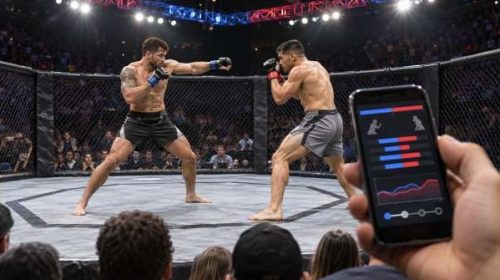
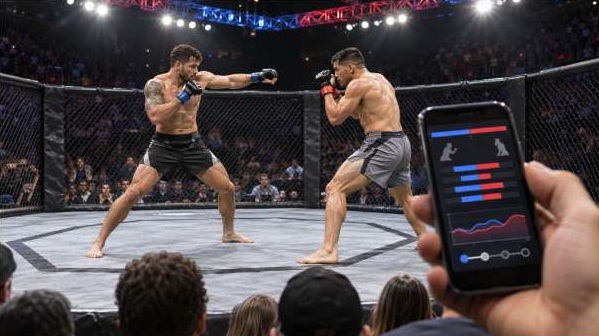
Watching an MMA fight involves much more than counting punches or waiting for a dramatic finish. Every round contains changes in distance, positioning, pace, and control that can influence the outcome. Modern fans increasingly use a second screen to follow statistics, compare fighter records, and discuss important moments while watching live events. Understanding which details matter can turn an ordinary viewing experience into a deeper appreciation of the sport.
Following an MMA event often means keeping track of more than the live broadcast. Fans check fighter statistics, review previous performances, and use mobile platforms to stay connected throughout fight night. Digital entertainment services, including the download option onjabet دانلود, may also form part of that routine. Still, understanding what happens inside the cage requires attention to striking exchanges, positioning, and tactical adjustments rather than information displayed on a second screen.
Why Live Statistics Need Context
Fight statistics provide a useful overview, but numbers rarely tell the complete story. A fighter may land more strikes while struggling to control distance or defend against powerful counterattacks.
Significant strikes, for example, describe a category of successful attacks rather than a complete measure of effectiveness. Their importance depends on the quality, timing, and visible impact of each exchange.
Consider a hypothetical round in which Fighter A lands 35 strikes while Fighter B lands only 20. The totals might suggest a clear advantage for Fighter A.
However, if Fighter B repeatedly lands powerful counters that visibly affect the opponent, the round becomes more complicated. Judges must evaluate effective striking and grappling according to the applicable scoring criteria, not simply award the round to the fighter with the highest strike count.
How Distance Changes the Direction of a Fight
Distance management is one of the most important elements of MMA strategy. Fighters constantly adjust their positioning to create opportunities while limiting their opponents’ options.
A long-range striker may rely on jabs, kicks, and lateral movement. A pressure fighter might close the distance to initiate combinations, clinches, or takedowns.
These contrasting approaches create a tactical contest that develops throughout the fight.
A fighter who controls the center of the cage does not automatically control the action. Effective offense matters more than occupying a particular position.
Viewers should pay attention to how each athlete enters and exits striking range. Successful adjustments often reveal more about a fighter’s technical ability than raw activity.
What Takedown Statistics Really Reveal
Takedown totals can be particularly misleading without context.
A fighter might complete several takedowns but fail to establish meaningful control. Another may secure only one takedown and use it to create sustained offensive opportunities.
The quality of the position matters. Effective grappling includes actions that contribute to meaningful offense, such as impactful strikes or submission attempts.
Successful takedown defense also deserves attention. Preventing an opponent from completing repeated attempts can preserve a fighter’s preferred range and disrupt an established strategy.
When following a fight, consider:
- Takedown success: How many attempts result in completed takedowns?
- Control quality: Does the fighter use the position to create meaningful offense?
- Submission threats: Are attempts forcing defensive reactions?
- Defensive adjustments: Does the opponent improve their response to repeated techniques?
- Position changes: Who benefits when the action returns to standing?
These details help explain why two fights with similar statistics can unfold very differently.
Why Cardio Becomes More Important in Later Rounds
Conditioning influences nearly every aspect of an MMA performance.
As fatigue develops, fighters may struggle to maintain defensive movement, execute combinations, or respond quickly to takedown attempts.
However, visible fatigue does not always indicate poor preparation. An unusually demanding pace, repeated grappling exchanges, or sustained defensive pressure can exhaust even well-conditioned athletes.
The key question is how a fighter responds when energy becomes limited.
Some athletes reduce their output while maintaining technical accuracy. Others continue attacking aggressively but leave increasingly obvious defensive openings.
Watching these adjustments can reveal which skills remain reliable under pressure.
Reading Momentum Without Overreacting
Momentum often changes several times during a competitive fight.
A powerful strike, successful takedown, or brief submission attempt may appear to transform the contest. However, an isolated moment does not necessarily indicate a lasting tactical advantage.
Experienced viewers look for repeated patterns.
If a fighter consistently lands counters against the same combination, the opponent may need to adjust. If a takedown attempt repeatedly fails, continuing the same approach could consume valuable energy.
Recognizing these patterns provides a clearer understanding of momentum than reacting to every dramatic exchange.
Building a Better Fight-Night Viewing Routine
A second screen works best when it supports the live broadcast rather than competing for attention.
Before the event, review the fighters’ recent performances and general styles. During the fight, focus on a few meaningful indicators instead of constantly checking every available statistic.
After each round, compare your observations with the available numbers.
This approach encourages active viewing and helps identify moments that statistics may not fully explain.
It also makes post-fight discussions more informative. Rather than relying only on the official result, fans can explain which tactical decisions shaped the contest.
MMA combines striking, grappling, positioning, conditioning, and strategic adjustments into a constantly changing competition. Live statistics help organize these elements, but they become valuable only when interpreted alongside the action.
A second screen can improve the viewing experience by providing context without replacing careful observation.
Ultimately, understanding how fighters adapt under pressure offers a more rewarding perspective than simply following the scoreboard. The most revealing moments often occur between the dramatic highlights.