

















Vinyl vs. PVC Flooring: What’s the Real Difference?
When you’re shopping for new floors, you’ve probably come across both vinyl and PVC options. At first glance, they can seem almost identical, which makes choosing between them a real head-scratcher.
The truth is, while these two flooring types share some similarities, they have important differences that can affect your home’s comfort, durability, and style. Whether you’re renovating a bathroom, upgrading your kitchen, or redoing your entire home, understanding what sets them apart will help you make a smarter decision.
This guide breaks down everything you need to know about vinyl vs. PVC flooring so you can pick the right option with confidence. By the end, you’ll have a clear picture of which one suits your space best.
What Is Vinyl Flooring?
Vinyl flooring is one of the most popular choices for homeowners today, and for good reason. It’s made from a blend of polyvinyl chloride (PVC) resin, plasticizers, and other additives that give it flexibility and resilience.
You’ll find vinyl flooring in several forms, including sheet vinyl, vinyl plank, and vinyl tile. Each type offers a different look and installation method, so there’s something for every room in your home.
One of the biggest advantages of vinyl flooring is its ability to mimic natural materials like hardwood and stone. Modern printing technology makes these designs incredibly realistic, which means you get the look of expensive materials at a fraction of the cost.
If you’re curious about how vinyl would look in your space before committing, the Floorma free floor visualizer lets you preview different styles in your actual room. That way, you can shop with confidence instead of guessing how a particular shade or pattern will work with your décor.
What Is PVC Flooring?
PVC flooring is made primarily from polyvinyl chloride, the same base material used in vinyl flooring. However, it typically refers to rigid-core flooring products that have a denser, more structured composition.
Unlike traditional vinyl, PVC flooring often features a stone plastic composite (SPC) or a rigid core layer. This gives it extra stability and makes it highly resistant to dents and impacts.
You’ll commonly hear PVC flooring referred to as SPC flooring or rigid core vinyl in stores. These terms can be used interchangeably in most cases, so don’t let the different names confuse you.
PVC flooring has gained popularity because it handles temperature changes well and resists expansion and contraction. That makes it a solid choice for rooms with fluctuating temperatures or direct sunlight exposure.
Vinyl vs. PVC Flooring: Key Differences
Now that you know the basics, let’s look at the core differences between these two options. Understanding the details of vinyl vs. PVC flooring will help you narrow down the right pick for your home.
The main distinction lies in their core structure. Traditional vinyl flooring uses a flexible backing, while PVC flooring relies on a rigid core for added strength and dimensional stability.
Vinyl tends to feel softer underfoot, which many homeowners appreciate in living spaces and bedrooms. PVC, on the other hand, feels firmer and more stable, making it ideal for high-traffic areas like kitchens and hallways.
When it comes to thickness, PVC flooring is usually thicker and heavier than standard vinyl. This extra bulk contributes to better sound insulation and impact resistance throughout your space.
Both options are waterproof, but PVC’s rigid core gives it a slight edge in areas prone to moisture. That’s why many people choose PVC for basements, bathrooms, and laundry rooms where water exposure is a daily concern.
Durability and Water Resistance
Durability is one of the first things you should consider when choosing new flooring. Fortunately, both vinyl and PVC are built to handle everyday wear and tear without losing their appeal.
Vinyl flooring holds up well in moderate-traffic areas and resists scratches from pets and furniture legs. With proper care, a quality vinyl floor can easily last 15 to 20 years in your home.
PVC flooring, with its rigid core, takes durability a step further. It’s better at resisting dents from heavy furniture and can handle more intense foot traffic without showing noticeable signs of wear.
As for water resistance, both options excel in wet environments. However, PVC’s dense core prevents moisture from seeping through the seams, giving it an advantage in flood-prone areas like laundry rooms and basements.
Installation and Ease of Use
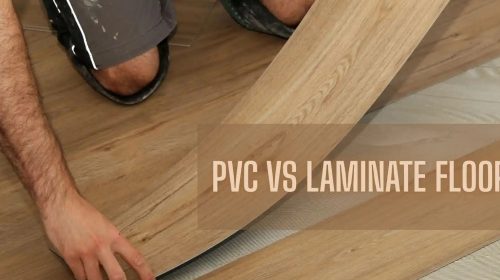
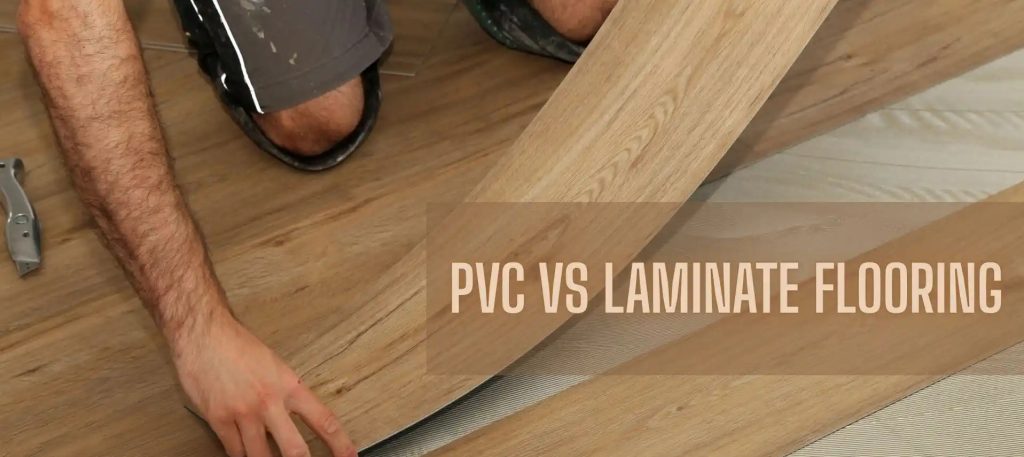
If you’re planning a DIY project, you’ll be glad to know both vinyl and PVC flooring are beginner-friendly to install. Most products come with click-lock systems that snap together without glue or nails.
Sheet vinyl requires a bit more skill since you need to cut it precisely to fit your room’s dimensions. Vinyl plank and tile, however, are straightforward for most homeowners to handle on their own.
PVC flooring is especially easy to work with because its rigid core keeps planks straight and aligned during the process. You won’t have to worry about warping or bending as you lay each piece into place.
Before you start your project, it’s worth using the Floorma flooring visualizer to test different layouts and patterns. Seeing the finished look ahead of time helps you avoid costly mistakes and ensures you’re happy with the result before a single plank hits the floor.