





Best Martial Arts for MMA in 2026: Wrestling, BJJ, Boxing and More
Most Effective Martial Arts in Modern MMA
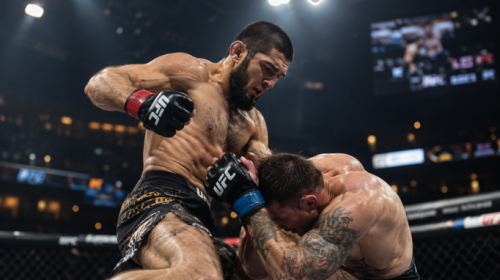
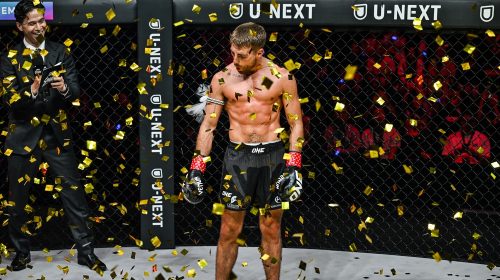
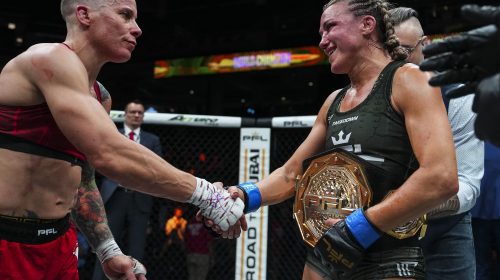
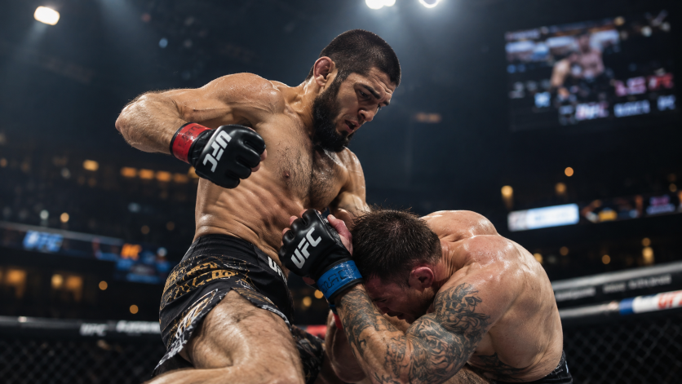
Islam Makhachev spent the later rounds of UFC 330 putting Ian Machado Garry back on the fence and the canvas. Mackenzie Dern kept finding takedowns and control positions on the same card. Petr Yan took a different route to a UFC title, beating Merab Dvalishvili in December 2025 with pressure, body work, and enough takedown defense to keep the fight in his preferred range. The common thread is not one martial art. It is the ability to keep your best weapons available after the opponent tries to change the fight.
Wrestling Still Lets a Fighter Pick the Geography
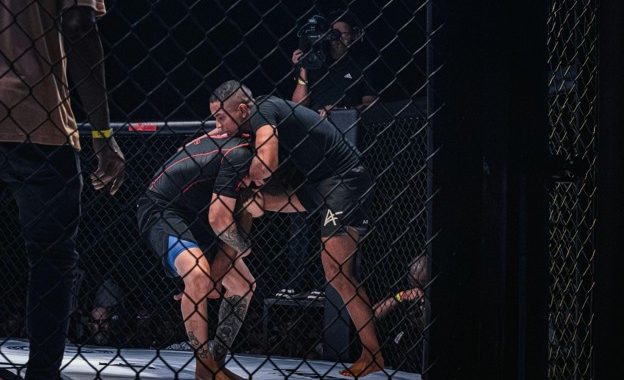
Makhachev is officially listed by the UFC as a sambo fighter, yet many of his most effective sequences use wrestling concepts that translate cleanly to MMA: fence pressure, chained takedowns, mat returns, and long stretches of top control. Against Garry in August, he returned to his wrestling in the fourth and fifth rounds and finished the fight on the challenger’s back. That kind of control is valuable because it decides where exchanges happen. A fighter who can force the bout from open space to the fence or canvas has more choices than one who needs a single range.
Jiu-Jitsu Still Punishes One Bad Position
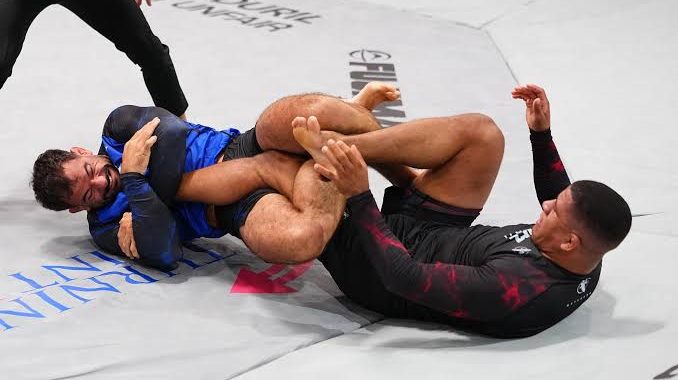
Brazilian jiu-jitsu remains one of MMA’s main submission systems, but successful UFC grapplers rarely rely on guard work alone. Dern used takedowns and control to bank rounds against Gillian Robertson at UFC 330, while Charles Oliveira continues to hold the promotional record with 17 submission victories. His finishes have come from rear-naked chokes, guillotines, armbars, and other positions reached after scrambles or pressure. Modern judging also rewards effective damage and meaningful offense, so simply staying active from bottom is not enough.
Kickboxing Covers More of the Standing Fight
Kickboxing and Muay Thai give fighters answers at ranges where boxing alone has fewer tools: calf kicks, body kicks, knees, and clinch attacks all change how an opponent can enter. An adult studying MMA prices on Melbet may therefore look beyond knockout totals and check whether a striker can defend the fence, deal with low kicks, or punish a level change. Those matchup details often explain more than a broad “striker versus grappler” label, while the odds still contain a bookmaker margin. Keeping a fixed bankroll also prevents one attractive stylistic matchup from becoming an oversized stake.
Yan’s Boxing Worked Because He Could Stay Upright
Petr Yan’s December 2025 rematch with Dvalishvili showed how boxing becomes more dangerous once the takedown threat is handled. Yan pressed forward, hurt Dvalishvili to the body and repeatedly defended or recovered from wrestling exchanges on the way to a unanimous-decision title win. His compact combinations and pressure were useful because he was not spending entire rounds trapped underneath the former champion. Pure boxing mechanics still need modification in MMA, where a high guard can leave the hips open, and a heavy lead leg can invite kicks or shots.
Judo Works Best When the Cage Gets Involved
Kayla Harrison showed how well elite judo can transfer when she beat Julianna Peña at UFC 316 in June 2025. The two-time Olympic champion forced Peña backward, took her down, and finished the title fight with a second-round kimura. Adult users checking combat-sports markets on the MelBet APK can get more from Harrison’s actual clinch and takedown history than from the word “judo” on a profile, because MMA removes the gi and adds the fence. The app carries pre-match and live sports markets, but the prices still include margin and belong inside a fixed bankroll rather than replacing matchup research.
The Best Base Is the One That Survives the Next Phase
Alex Pereira’s career offers the cleanest striking example. His kickboxing took him to UFC titles at middleweight and light heavyweight, then into a heavyweight title fight against Ciryl Gane in June 2026, where Gane stopped him in the second round. Makhachev can wrestle through long stretches of a fight without giving an opponent much room to reset. Dern can threaten submissions once a scramble opens. Yan can stay in boxing range because his takedown defense gives him a chance to keep the fight there. Their base styles are different, and so are the problems they have to solve.
That is usually the separator at UFC level. A wrestler still has to strike on the way in. A boxer has to survive kicks and shots. A jiu-jitsu specialist needs a reliable way to reach the mat. The style gets a fighter into the fight; everything added around it determines how long that advantage lasts.