

















The Business and Discipline of Mixed Martial Arts: Inside the UFC Ecosystem
The Architecture of Mixed Martial Arts: How the UFC Built a Global Combat Ecosystem
Technical Foundations: The Core Disciplines of Mixed Combat
Mixed martial arts is one of the most demanding sports in the world. Unlike single-discipline sports like boxing or judo, MMA forces fighters to master several distinct combat styles at once: stand-up striking, clinch control, takedowns, and ground grappling.
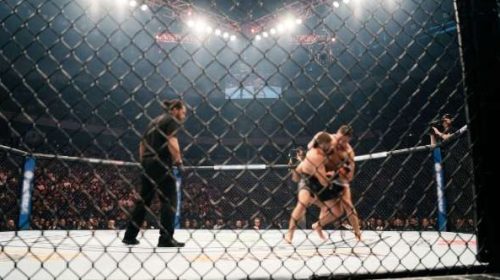
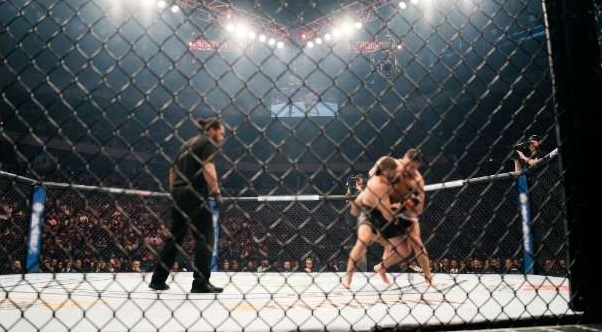
Inside the UFC Octagon, relying on one discipline leaves immediate openings. Muay Thai and Western boxing handle distance, footwork, and heavy combinations. Brazilian Jiu-Jitsu provides the mechanics for ground control, joint locks, and chokes. Wrestling ties everything together. It gives fighters the leverage to decide where the fight happens, whether that means taking a striker to the mat or keeping the action standing.
| Martial Art Discipline | Primary Combat Focus | Core Cage Objectives | Strategic Advantage |
|---|---|---|---|
| Muay Thai & Kickboxing | Stand-up striking | Range control, leg kicks, clinch strikes | Breaks down mobility and creates knockout threat |
| Brazilian Jiu-Jitsu | Ground submission | Positional control, joint locks, chokes | Finishes bouts from both offensive and defensive positions |
| Wrestling (Freestyle/Greco) | Transitions & Control | Takedowns, takedown defense, cage pressure | Dictates fight location and neutralizes opposing styles |
| Western Boxing | Upper-body striking | Fluid footwork, head movement, combinations | Delivers high-volume damage with energy conservation |
Success in the cage comes down to smooth transitions. A fighter might open with a 1-2 combination, drop for a double-leg takedown, and transition straight into a submission attempt. That multi-layered threat defines modern mixed combat.
The UFC Business Model: Centralized Promotional Structure
The UFC’s business model turned mixed martial arts from a niche spectacle into a global enterprise. When it launched in 1993, the UFC ran open-weight tournaments with almost no rules. To gain mainstream approval and legal sanctioning, the company instituted standardized weight classes, mandatory medical checks, and the Unified Rules of MMA.
Today, the promotion relies on four main revenue streams:
- Broadcast Rights and Pay-Per-View. Long-term network deals supply consistent baseline revenue, while flagship numbered events bring in pay-per-view buys.
- Global Live Touring. Arena shows across North America, Europe, Asia, Australia, and the Middle East generate strong gate revenues and local tourism spending.
- Subscription Streaming. UFC Fight Pass monetizes the promotion’s fight archive and broadcasts regional feeder leagues.
- Sponsorship Deals. Corporate partners buy canvas placement, apparel rights, broadcast graphics, and digital integration.
This centralized setup gives the UFC complete control over matchmaking. In professional boxing, competing promoters and sanctioning bodies routinely block major fights. The UFC functions as a single league that contracts directly with fighters, making top-contender matchups far easier to book.
Digital Media, Corporate Partnerships, and Fan Engagement
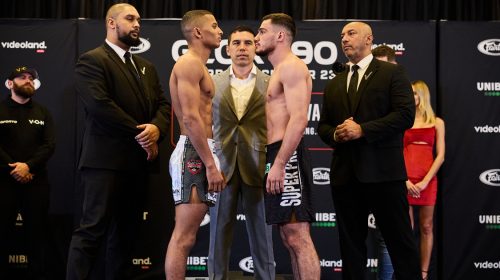
Digital media keeps fight fans engaged between events. Fight week content, including press conferences, open workouts, fighter interviews, and ceremonial weigh-ins, generates steady interest leading into race-day broadcasts. Embedded documentary series profile fighters behind the scenes, turning athletes into household names.
Second-screen interaction plays a massive role during live broadcasts. Viewers check real-time fight stats, join online discussions, and play fantasy pick ’em contests. As fight promotions integrate more digital sponsors into their broadcasts, fan attention stretches into online gaming and entertainment.
With corporate sponsors plastered across the Octagon mat and broadcast graphics, fans frequently look up these sponsors on their own time. When evaluating real-money platforms or online entertainment, users check regulatory credentials, payout security, and independent online casino reviews to confirm operational licensing and player safety. Serious bettors and fans look for hard data over promotional promises.
The Athlete Economy: Training Camps and Performance Science
Preparing for a fight is expensive and physically punishing. Most fighters run an eight-to-twelve-week training camp before stepping into the cage. In that window, an athlete builds a dedicated camp staff, hiring striking coaches, BJJ trainers, strength coaches, and nutritionists.
Running a fight camp requires significant upfront investment, with several major expense categories:
- Coaching and Management Fees. Fighters usually pay 10% to 15% of their purse to their primary gym and head coaches, plus additional management fees.
- Sparring Partners. Athletes often fly in specialized sparring partners who mimic their upcoming opponent’s height, reach, and stance.
- Physical Therapy and Recovery. Soft-tissue work, cryotherapy, and medical oversight add up quickly over two months of heavy sparring.
- Weight Cutting. Nutritionists manage the gradual weight drop heading into fight week, ensuring athletes make weight without draining their endurance.
The UFC Performance Institute helped offset some of these costs by giving contracted fighters free access to strength coaching, metabolic testing, physical therapy, and meal preparation.
Regulatory Governance and the Unified Scoring Framework
Mixed martial arts operates under the Unified Rules of MMA, a standard established to protect fighters and standardize officiating across jurisdictions. State and tribal athletic commissions regulate bouts independently of the UFC, hiring the referees, judges, and ringside doctors for every event.
Ringside judges evaluate rounds on a 10-point must system, applying three criteria in strict order of importance:
- Effective Striking and Grappling. The primary scoring metric. Judges look for heavy strikes that cause visible damage or impact, alongside impactful takedowns and real submission attempts.
- Effective Aggressiveness. Applied only if striking and grappling are completely even. This measures active offensive pressure rather than simply moving forward.
- Octagon Control. The ultimate tiebreaker, used only when the first two criteria are identical. It rewards the fighter dictating cage position and pace.
This hierarchy ensures that judges reward fighters who attempt to finish the fight, rather than those who rely on passive positional holding.
The Global Expansion and Longevity of Mixed Combat
The appeal of mixed martial arts still comes down to its founding premise: finding out which style wins when two fighters clash. Early UFC rosters consisted almost entirely of American wrestlers and Brazilian Jiu-Jitsu practitioners. Today, champions and top contenders come from Dagestan, Japan, China, Australia, Nigeria, and across Europe.
A deep grassroots network keeps this talent pipeline moving. Regional kickboxing circuits, collegiate wrestling programs, and BJJ academies train athletes from a young age specifically for multi-discipline combat. Supported by modern sports science and established safety oversight, MMA has secured its place as a permanent mainstream sport.