

















Lumens, Candela and Green Lasers: Reading a Weapon Light Spec Sheet Without the Hype
A flashlight specification sheet can look more complicated than it needs to be. Numbers for lumens, candela, beam distance, runtime, and laser output often appear together, but each describes a different part of a light’s performance. For beginners, the challenge is understanding what those figures actually tell them—and what they leave out.
The best way to compare lighting equipment is to start with the task, then use the specifications to understand whether a particular design fits that need. A product name or a large number does not tell the whole story. Learning how measurements are defined, how testing standards work, and why safe operation matters can help buyers make more informed decisions without relying on exaggerated claims.
Why Spec Sheets Confuse New Buyers
Specification sheets often place several technical measurements close together, which can make them seem interchangeable. Lumens describe total visible light output, while candela describes the intensity of light in a particular direction. Beam distance is usually calculated from peak intensity under a defined criterion, and runtime describes how long a light operates under stated test conditions. These measurements answer different questions.
When comparing a flashlight, it helps to read the complete specification rather than focusing on a single headline figure. The design of the reflector or lens, the beam pattern, the output setting, and the conditions in which the light will be used all influence practical performance. Two lights with similar headline ratings may produce noticeably different results.
Start With the Intended Use
Before comparing numbers, identify what the light needs to do. Someone illuminating a nearby work area may value broad, even coverage, while someone trying to see a distant object may care more about concentrated intensity. A light designed to combine a white beam with a laser adds another function, but that does not automatically make it suitable for every user or situation.
It is also important to distinguish verified specifications from advertising language. Terms such as “professional,” “extreme,” or “high performance” are not substitutes for measured output, clear test conditions, and an explanation of the product’s intended purpose.
Check What the Manufacturer Actually Measures
Look for units, test conditions, and definitions beside each figure. A number without context can be difficult to interpret. For example, a maximum output may refer to a short initial period rather than sustained operation, depending on the product and its published test method.
If an important specification is missing, avoid filling the gap with assumptions. Consult the manufacturer’s technical information or ask for clarification. A careful comparison should be based on confirmed facts rather than guesses derived from a model name or a photograph.
Lumens vs Candela: Two Different Questions
Lumens measure the total visible light emitted by a source. In simple terms, they help describe how much visible light a flashlight produces overall. However, lumens alone do not explain how that light is distributed. A wide beam can spread light across a large area, while a more concentrated beam can direct a greater share of its output toward a smaller region.
Candela measures luminous intensity in a particular direction. It is especially useful when considering how concentrated a beam is. A flashlight with a relatively focused beam can have a higher peak candela rating than a light with greater total lumen output but a wider distribution. This is why neither number should be used alone to judge overall suitability.
What Beam Distance Really Means
Beam distance is commonly calculated using the distance at which illuminance reaches a defined threshold. Under the ANSI/PLATO FL 1 framework, that threshold is 0.25 lux, approximately comparable to the illuminance associated with a full moon under certain conditions. It provides a consistent basis for comparison, but it does not guarantee that a person can clearly identify an object at the advertised distance.
Visibility depends on more than the light itself. Fog, rain, airborne dust, surface color, background contrast, and the size of the object can all affect what someone can see. A specification can help compare products under a defined method, but real-world conditions determine how useful the light will be in practice.
Understand the Relationship Between Candela and Distance
Under idealized conditions, illuminance from a point source decreases approximately with the square of the distance. This relationship helps explain why a concentrated beam can remain useful farther away, while also showing why illumination drops quickly as the distance increases.
The calculation does not mean that a person will recognize details at a specific distance. It describes light reaching a surface, not the human ability to identify what is there. Buyers should therefore treat range figures as standardized reference points rather than promises of visibility in every environment.
How ANSI FL1 Ratings Are Measured
ANSI/PLATO FL 1 is a voluntary standard used to define consistent methods for measuring and reporting certain flashlight and portable-light performance characteristics. Depending on the product and the manufacturer’s reporting, published ratings may cover light output, peak beam intensity, beam distance, runtime, impact resistance, and water resistance. The standard gives consumers a more consistent framework for comparing results from different products.
A rating is most useful when the manufacturer identifies the test method and provides clear results. It does not mean every light on the market has been tested or independently certified under the standard. Buyers should check whether the specification is actually reported according to ANSI/PLATO FL 1 instead of assuming that every published number follows the same procedure.
Runtime Is More Than a Battery Estimate
Runtime figures depend on how the test defines the end of usable operation. Under ANSI/PLATO FL 1, runtime is based on the time from initial activation until output drops to 10% of its initial value under the specified test conditions. A light may continue producing some illumination after that point, but it will no longer meet the standard’s runtime threshold.
This distinction matters when comparing products. A runtime figure should not automatically be interpreted as the number of hours a light will maintain its original brightness. Output regulation, battery condition, temperature, and the selected mode can all affect how the light performs during actual use.
Water and Impact Ratings Need Context
Water-resistance and impact-resistance claims should also be read carefully. A published rating relates to a defined test, not unlimited protection in every environment. Exposure to water at a particular level does not necessarily mean a light can withstand every kind of immersion, pressure, or prolonged wet use.
Similarly, an impact rating does not guarantee that a device will remain undamaged after any drop. The surface, angle, height, and condition of the equipment can affect the outcome. Follow the manufacturer’s use and maintenance instructions, and avoid treating a test rating as permission to expose equipment to conditions beyond its stated limits.
A Note on Flashlights and Standardized Measurements
A flashlight can be evaluated more clearly when its published performance information follows a recognized test method. Before citing any specific output, runtime, beam distance, or durability rating for it, verify that figure against the manufacturer’s documentation and confirm whether it was measured under ANSI/PLATO FL 1.
The broader lesson applies to every product: a useful comparison depends on consistent definitions. If two manufacturers use different test conditions or report different categories of performance, their figures may not be directly comparable even when the units appear identical.
Green Lasers: Visibility and Safety Rules
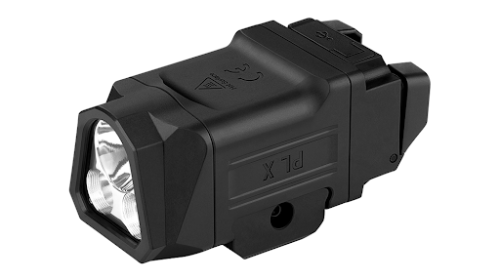
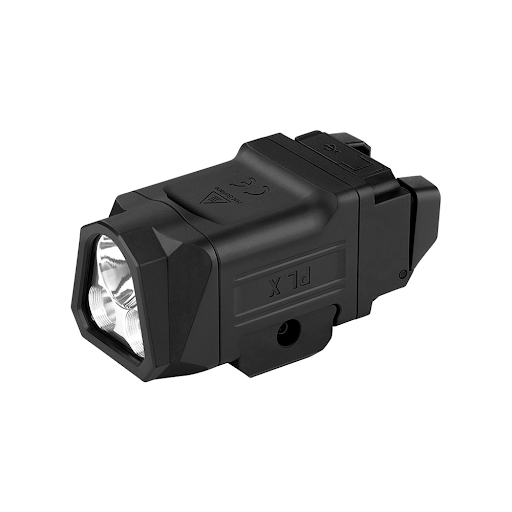
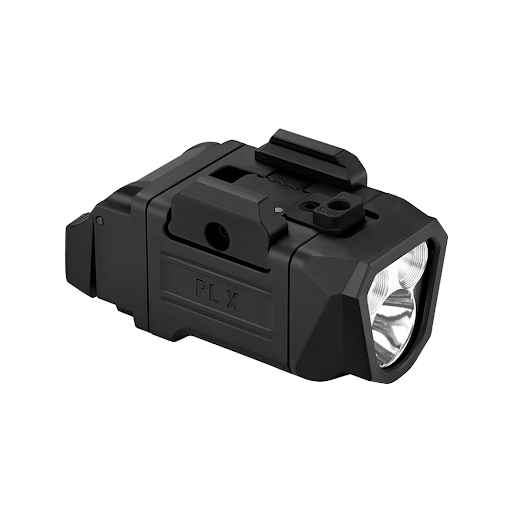
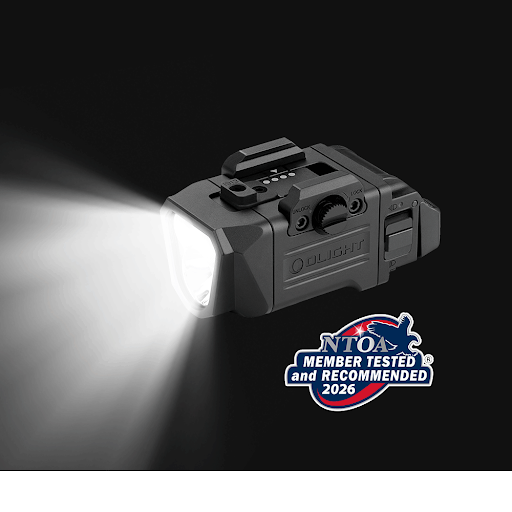
A green laser serves a different purpose from a white-light beam. It produces a concentrated visible point rather than illuminating an entire area in the same way as a flashlight. Some products combine both functions, allowing the user to select between white illumination and a laser feature. The Olight PL X GL is an example of a product name associated with a white-light and green-laser combination; its exact features and ratings should be confirmed using the manufacturer’s current documentation.
The two functions should not be confused when reading a specification sheet. Lumens and candela describe aspects of visible light output and intensity, while laser output is commonly expressed in milliwatts and classified according to laser-safety standards. A high lumen rating does not establish the laser’s power or safety classification, and a laser’s visibility does not tell the user how much area the white light can illuminate.
Why Laser Classification Matters
Laser products are classified according to characteristics such as accessible emission and potential hazard. The applicable classification and labeling should be checked for the specific device rather than inferred from the color of the beam. Green lasers can appear especially bright to the human eye under some conditions, but perceived brightness alone is not a reliable way to assess their safety.
Never direct a laser toward a person’s eyes, vehicles, aircraft, or other locations where it could create a hazard. Reflections from shiny surfaces may also present risks. Follow the manufacturer’s safety instructions and applicable local, state, and federal requirements, including any restrictions on possession or use that apply to the particular product and location.
Follow the Instructions for Combined Light and Laser Devices
A combined device requires users to understand both functions separately. Before use, read the operating instructions, learn how each mode is activated, and confirm that the controls work as expected. If the device has distinct settings for the white light and laser, make sure you understand the difference before switching modes.
Responsible handling also means considering people nearby. Do not use a laser as a casual pointing tool or direct it at a person to get their attention. Where a laser function is unnecessary, keep it switched off and use ordinary white illumination for general visibility. Training and compliance matter more than the number of features on the specification sheet.
Brightest Isn’t Always Best
The phrase “brightest flashlight” can refer to different measures depending on the comparison. One list may rank products by total lumen output, while another may emphasize peak candela or beam distance. Without checking the measurement being used, a ranking can create a misleading impression that one light is automatically better for every task.
A useful brightness guide should explain how the figures were measured, whether the output is sustained or temporary, and what the numbers mean in practical terms. When evaluating the brightest flashlight, compare the underlying specifications and consider the light distribution, handling, runtime, and intended use—not just the headline number.
Consider Beam Shape, Not Just Maximum Output
A wide beam may be more comfortable for close-range work because it illuminates a larger area, while a concentrated beam may be useful when observing distant features. Maximum output can be valuable in some situations, but it may not be needed continuously. A lower setting can provide adequate visibility while reducing glare and conserving battery power.
The physical design matters, too. Size, weight, controls, mounting options, heat management, and battery arrangements affect how convenient a light is to use. These practical details are not captured by a single brightness rating, yet they can have a major influence on whether a product fits its intended role.
Compare the PL Series by Verified Features
The PL series can serve as a starting point for examining how manufacturers present products with different combinations of lighting features. The PL X GL is worth evaluating by its confirmed white-light performance, laser specifications, operating controls, and intended applications. Avoid assuming that every model in a series has identical output, runtime, or features.
A fair comparison should use current product documentation and clearly defined criteria. If one model offers a particular feature that another does not, decide whether that difference is actually relevant to the intended task. More features or higher numbers do not automatically justify choosing one device over another.
A Simple Checklist for Reading Any Spec Sheet
Before deciding between two lights, review the information in a consistent order. This helps prevent one impressive number from overshadowing other important details.
- Total output: Check the stated lumen rating and whether the manufacturer identifies the applicable test method.
- Peak intensity: Review the candela rating when beam concentration is important.
- Beam distance: Understand the measurement threshold and remember that it does not guarantee object identification.
- Runtime: Check the test definition, output mode, and any information about output reduction.
- Durability: Read water and impact ratings alongside the manufacturer’s limitations and care instructions.
- Laser safety: Confirm the laser classification, output information, warnings, and applicable rules.
- Practical fit: Consider size, controls, heat, battery arrangements, and the conditions in which the light will be used.
If a key figure is unavailable, record it as unknown rather than estimating it. This keeps the comparison honest and makes it easier to ask the manufacturer a focused question.
Make the Numbers Work for You
Understanding a specification sheet does not require memorizing every technical term. Start by separating total light output from beam intensity, learn what standardized ratings actually measure, and check laser information independently from white-light performance. Then consider the environment and task for which the equipment is intended.
Products such as the PL X GL demonstrate why it is useful to look at each feature on its own terms. A thoughtful decision is based on verified specifications, safe handling, applicable regulations, and practical needs. When those factors guide the comparison, brightness numbers become useful evidence rather than marketing shorthand.