











Extra Wide Trainers for Gym and Combat Training: What Wide-Footed Athletes Should Look For
A shoe that feels comfortable on the treadmill can behave differently during a lateral shuffle. The foot moves towards the edge, the upper stretches and you tighten the laces until the forefoot feels trapped. More cushioning will not necessarily solve that problem.
For athletes with broad feet, training footwear needs adequate internal space and construction suited to the session. Strength work, conditioning, boxing and wrestling place different demands on shoes. Some combat classes require no footwear on the training surface at all. Before comparing widths, establish what you will actually be doing.
Choose for the Session Before Choosing the Size
“Gym shoes” covers a wide range of designs. A running shoe prioritises repeated forward movement. A cross-trainer is generally designed for a mixture of exercises, including movement from side to side.
The American Academy of Podiatric Sports Medicine describes cross-trainers as suitable for general weight training and varied fitness activities. Compared with running shoes, they typically have flatter profiles, less cushioning and construction intended to accommodate multidirectional movement. They remain a compromise rather than a specialist solution for every sport.
For a session combining resistance machines, short conditioning intervals and controlled footwork, a suitable cross-trainer may be practical. Regular distance running or technical combat practice may justify separate footwear.
When browsing extra wide trainers mens uk, check the individual model’s intended activity. A collection containing broad fittings can include walking, running and court designs whose construction differs substantially.
What Does Extra Width Need to Accommodate?
A broad forefoot does not necessarily come with a broad heel. Nor does it automatically mean you need more space above the instep.
These distinctions matter when changing direction. You need room for the toes without allowing the entire foot to slide inside the shoe.
Check Width and Shape Separately
A shoe can be labelled extra wide yet taper sharply around the little toe. Compare the outline with your foot, paying attention to where the front begins to narrow.
The widest part of your forefoot should sit comfortably within the shoe. Avoid using extra length to escape pressure across the sides.
Allow Enough Depth
Your toes shouldn’t feel pressed down, and the tongue of the shoe shouldn’t dig into the top of your foot. An upper that presses on raised joints may remain uncomfortable despite adequate width.
If you use prescribed orthoses, assess the shoes with them fitted. They occupy space and can change heel position.
Keep the Heel Secure
The heel should remain comfortably seated during walking, lunges and controlled changes of direction.
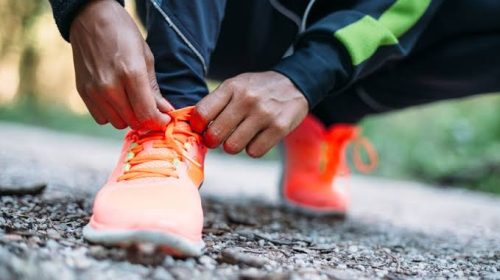
AAOS recommends trying athletic shoes with the intended socks, securing the laces and leaving approximately half an inch, about 13 millimetres, beyond the longest toe. Both shoes need assessment.
Treat those checks as the beginning of a fitting, then test movements relevant to your training.
Stability for Lifting Is Different From Softness
A deeply cushioned sole can feel pleasant while walking around a shop. Under load, assess whether the platform feels controlled rather than choosing solely by softness.
For general strength training, look for a shoe intended for that purpose, with secure hold and predictable contact with the floor. Heavy squats and Olympic lifts introduce more specific considerations.
Dedicated weightlifting shoes typically combine a firm platform with a raised heel. That heel changes the starting relationship between the foot, ankle and lower leg. It should not be confused with a soft, elevated running-shoe heel.
Research shows that footwear can alter squat mechanics, but the findings do not support one universal choice. A 2019 study found no significant changes in several measured trunk and knee variables between heel-raised and other foot positions. Another study reported that changing footwear redistributed loading between lower-limb joints.
Choose lifting footwear with your coach according to the lift, technique and mobility involved. A shoe cannot compensate for an unsuitable load or replace coaching.
Lateral Training Needs More Than a Roomy Upper
During a side step, the foot and shoe need to move together. A generous toe box is useful, but a loose midfoot or poorly contained upper can undermine control.
Cross-trainer construction commonly includes reinforcement around the sides and a sole platform intended for cutting and shifting movements. These features distinguish it from a shoe chosen mainly for cushioning during forward travel.
During fitting, perform a controlled lateral shuffle if the setting allows it. Notice whether your foot shifts before the shoe follows or whether an edge presses against the forefoot.
Do not test an uncertain pair with an explosive cut. Start gently, then assess more demanding movements in training once the basic fit is established.
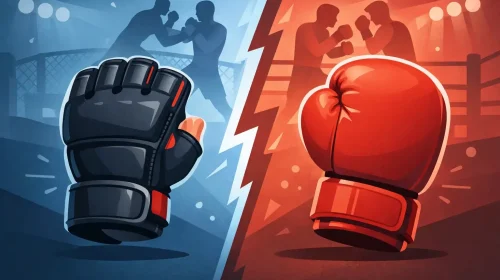
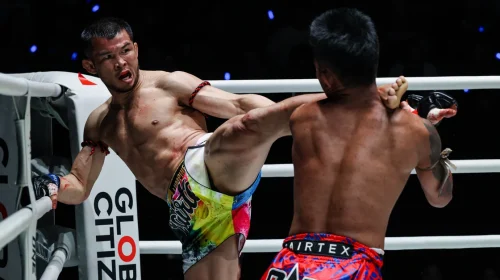
Combat Sports Have Their Own Footwear Rules
A trainer suitable for conditioning does not automatically belong in a ring or on a wrestling mat.
Boxing
Boxing footwear must suit repeated footwork, direction changes and pivots, while complying with the club or event requirements.
England Boxing’s 2026 Technical and Competition Rules specify light boots or shoes without spikes or heels. That rule defines a competition requirement; it does not establish that every compliant trainer is equally suitable for technical boxing.
Ask your coach to assess the design before using it for sparring. A fitness-boxing class on a gym floor may have different practical requirements from regular ring training.
Wrestling
Wrestling shoes are specialist equipment rather than ordinary trainers with taller collars.
United World Wrestling’s January 2026 rules direct athletes to its uniform guidelines for shoe requirements and prohibit objects that could injure an opponent. Competition footwear therefore needs checking against the relevant rules, not simply for grip and comfort.
A wide everyday trainer should not be assumed suitable for wrestling because it feels secure.
Barefoot Training
Many Brazilian jiu-jitsu, kickboxing and MMA classes use barefoot training areas. Confirm the club’s policy before purchasing footwear for technical sessions.
You may need trainers for conditioning elsewhere in the facility, then remove them before entering the combat area. Follow the coach’s rules on cleanliness and permitted equipment.
Match Grip to the Surface
The useful question is whether the outsole behaves appropriately on your training surface.
A shoe that grips rubber flooring comfortably may feel different on canvas or a padded mat. During rotational movement, assess whether the footwork feels controlled rather than catching unexpectedly or sliding.
Ask about non-marking requirements and keep indoor training footwear clean. Outdoor grit does not belong on a shared training surface.
Check wear beneath the forefoot as well as the heel. If training repeatedly loads one area, an otherwise tidy shoe may have lost useful tread there.
Test the Whole Training Combination
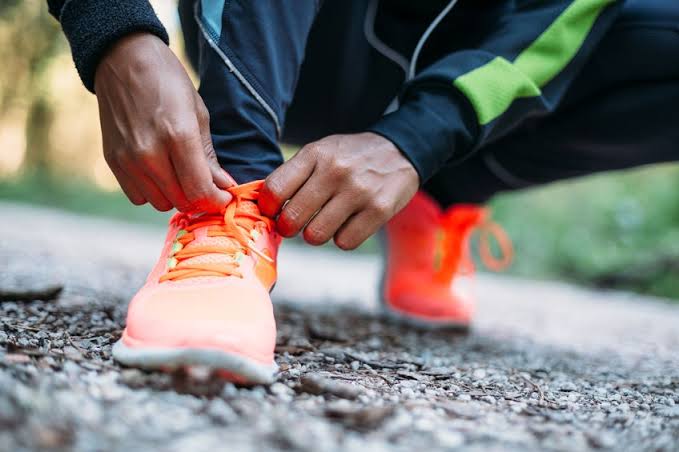
Bring your normal socks and any prescribed inserts. Fasten both shoes properly, then walk, squat without load, lunge and perform gentle footwork where permitted.
Check for toe contact, heel lift and pressure beneath the tongue. A suitable pair should not require painful tightening to remain secure.
When comparing extra wide trainers mens uk, shortlist by activity first, then compare fit. Width is a necessary specification for some athletes, but it does not establish suitability for heavy lifting, boxing or wrestling.
Keep the initial trial within the seller’s return conditions. Introduce the pair during a manageable session before relying on it for your hardest workout.
FAQs About Extra Wide Trainers for Gym and Combat Training
Can one pair cover lifting, running and boxing?
It depends on how much of each you do. A mixed-session trainer may cover general conditioning, but frequent running, heavy technical lifting or regular boxing can justify specialist footwear.
Does a wide toe box mean the trainer is extra wide?
No. Toe-box shape describes room around the toes. An extra-wide fitting may also change space elsewhere. Assess the forefoot, instep and heel separately.
Should I buy tighter shoes for better control?
Control requires secure fit, not compression. Tightness that causes numbness, rubbing or toe crowding is a reason to reassess the shoe.
Are high-top trainers enough for wrestling?
Collar height does not establish suitability. Check with your coach and the applicable rules before using any shoe for technical wrestling.
Build Your Kit Around the Work
A useful training shoe lets you perform the intended movements without repeatedly adjusting the fit. For broad feet, that begins with adequate room, but it also requires the right platform, upper and outsole.
Decide where the shoe will be used and which exercises it must handle. Then fit it properly. That sequence is more reliable than finding the widest pair available and asking it to cover every part of training.