



















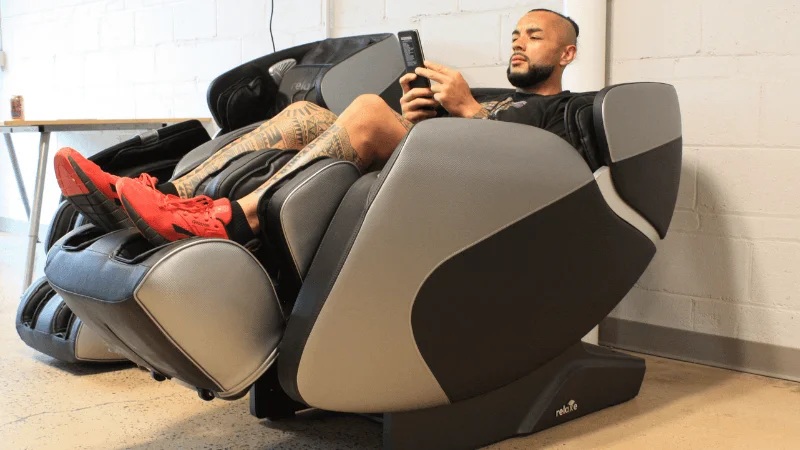
What Justifies the Price Tag on a Proper Massage Chair
A decent office chair costs a few hundred dollars and does one job. A massage chair for sale costs considerably more and does something else entirely. Comparing the two price tags side by side tells you nothing useful about either purchase.
Open up two chairs that look identical online and the difference usually sits inside the motor housing. A cheap motor whines and loses torque within a year of daily use. A good one runs quietly for a decade. Rollers wear the same way. Cheap ones develop a click or a catch partway through the track. Good ones don’t.
None of this shows up in a photo. It shows up six months in, usually right when the warranty on the cheap version is about to run out too.
Reviews and Reputation Aren’t Quite the Same Thing
Plenty of chairs collect decent star ratings simply because most buyers never push them hard enough to find the weak points. A brand’s actual reputation gets built over years, across thousands of households, not from reviews written in the excited first week of ownership.
One example says more than most marketing copy ever could. A well known public figure has stuck with the same brand for over a decade instead of switching. Ten years of daily use is genuinely hard to fake.
Spotting a Real Discount From a Fake One
Sale pricing gets thrown around constantly in this category, and not all of it reflects a real reduction. Comparing the actual retail price across a few different retailers before assuming a discount is genuine takes ten minutes and occasionally saves a few hundred dollars.
A chair advertised at half price sometimes started at an inflated figure nobody ever actually paid.
Warranty Length Tells You Something the Spec Sheet Doesn’t
Manufacturers extend longer warranties on products they trust to hold up. A brand offering several years of cover on the motor and frame is quietly telling buyers something about expected lifespan that no amount of marketing language ever states directly.
Reading exactly what’s covered matters more than the headline number. Some warranties cover parts but not labour. A callout fee to fix a covered part can still cost more than expected, purely because “covered” and “free” turned out to mean two different things.
Support After the Sale Matters More Than the Sale Itself
A chair that breaks down eighteen months in is only as good as whoever’s available to fix it. Buying from a retailer with local technicians beats hoping a manufacturer overseas eventually responds to an email.
That’s the part most people forget to ask about during the excitement of choosing a chair. It’s also the part that determines whether a five year old chair still works properly or sits unused in a corner because nobody knew who to call.
Your Own Habits Decide Which Chair Makes Sense
Someone chasing daily relaxation wants longer, gentler sessions built around comfort over time. Someone managing a specific pain point wants shorter, more targeted programs aimed at particular muscle groups. Buying the wrong one for your actual habit is the single most common mistake in this category, more common than any warranty gap or delivery hiccup ever manages to be.
Testing One Properly Takes Longer Than Five Minutes
A showroom visit rushed through in five minutes tells you almost nothing real. Sitting through an actual full length session, ideally on more than one model, reveals differences a quick sit down simply can’t.
Bring a rough idea of your actual living situation into that visit. A person living alone in a one bedroom apartment needs a genuinely different massage chair for sale than a family of four sharing one lounge room every evening.
Fit Beats Features Every Time
A spec sheet with twelve massage programs sounds impressive right up until you realise you’ll only ever use two of them. Paying for ten you’ll never touch is the same as paying full price and getting a discount you never actually redeemed.
Delivery and setup are worth asking about before the excitement of choosing a model takes over. A box left at the front door is one experience. A chair assembled and demonstrated on the spot is a completely different one. That gap rarely shows up on a price comparison chart, but it’s usually the first thing people remember about the purchase either way.
The First Week Tells You More Than the First Sit
A five minute sit in a showroom feels good almost regardless of which chair you’re in. The real test happens during the first week at home, once the novelty wears off and it either fits naturally into an evening routine or starts collecting jackets in the corner instead.
Chairs that get used daily after that first week tend to stay used for years. Chairs that don’t rarely recover from that early slump, no matter how good they felt on the showroom floor.
That first week test is worth mentioning to whoever’s helping you choose, too. A good specialist would rather talk someone out of an expensive model that won’t fit their routine than make the sale and watch it turn into an expensive coat rack six weeks later.