













Learn How a Modern Professional Football Club Makes Money
How the Economics of a Modern Professional Football Club Works

A professional football club is a simple entity when viewed from a spectator’s perspective. The players play the game, spectators come in to watch, and sponsorships can be found all over the stadium. However, there is more to the club behind all of this. A club must pay wages, maintain facilities, build its squad, develop young talent, sell media rights, and keep fans engaged.
A Football Club Is Also a Media Business
The modern football club also exists within the large media industry, and communities such as broadcasting firms, betting organizations, sports application developers, and data suppliers fight for the audience and thus become the sponsors or partners of clubs and competitions.
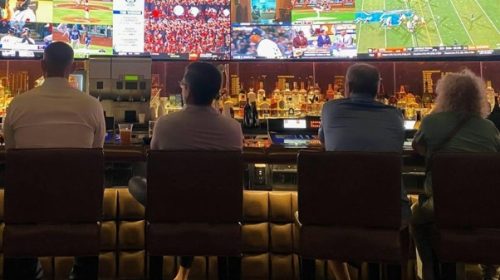
Betting services are also a part of the football media industry. The fan who wants to analyze the match may download the Melbet app (Arabic: موقع المراهنات) before the start of the game and explore the offered odds, considering the form or team news. It is another way to keep fans involved in the match before it starts.
Where the Main Income Comes From
Clubs derive their income from various sources. Matchday revenue comes through ticket sales and hospitality services. Broadcasting pay is earned from distribution by leagues and competitions. The other sources of revenue are sponsorship, licensing, merchandising, club events, and shirt sales. As illustrated in Deloitte’s 2026 Football Money League, commercial income has been playing an increasingly significant role for top clubs.
Saudi Arabia Is Building a Larger Football Market
An example of how the football business has developed is the growth in Saudi Arabia’s football, where investment and commercial thinking have increased together with the growing number of people watching the games. While browsing information on their favorite teams, people might move from league websites to fan profiles on community sites like (Arabic: مراهنات كره القدم) Fans watch their teams on television and via online streaming services, so such a platform is a good way to get the information.
| Part of the club economy | How it works | Why clubs care |
| Matchday | Tickets, hospitality, food, and in-stadium sales create income | A strong home crowd makes the stadium a regular business asset |
| Broadcasting | Leagues and competitions sell media rights and distribute income | Wider viewing can raise the value of the competition |
| Commercial activity | Sponsors, retail, licensing, and partnerships use the club brand | Strong brands can earn between matches |
| Player trading | Clubs buy, develop, loan, and sell players | Good recruitment can improve the squad and create future value |
| Ownership and investment | Owners provide capital for longer projects | Capital can support facilities, staff, and business growth |
The agreement for MENA media rights was made in February 2026 between the Saudi football bodies, and its total value stands at SAR 2.32 billion. Moreover, the Saudi Professional League has also highlighted the importance of business sense along with financial stability.
Where the Money Goes
The club is more than just earning to be profitable. It is a costly game, and the players account for the biggest financial expense. The players’ salaries, transfer fees, commissions on agents, coaching, and performance are all covered by the club.
The main spending areas usually include:
- The salaries of the players and bonuses from contracts affect the budget for many years ahead.
- Transfer fees and the cost of recruiting players.
- Maintenance of the stadia and playing fields, as well as personnel to look after these facilities.
- Developing the youth and scouting staff who can develop first-team players or generate transfer fees.
It complicates matters further for the accounting of transfers. The club pays an immense amount of money for the player; however, the analysis regulations spread out the expense of registration during the tenure of the contract period. UEFA regulations authorize the amortization of capitalized registration expense over the term of the player’s contract, which cannot exceed five years.
Players Can Be Sporting and Financial Assets
Player signings affect performance and profitability. Effective recruitment may help a team win games, attract fans, earn money from jerseys, and gain more sponsors. A player may also find themselves sold at a higher price after some time. Clubs analyze various factors, including age, contract period, wages, fitness, tactics, and resaleability.
However, academies operate differently. The club pays for several years before knowing who will play in the first group. At the time when a recruit starts playing for the team, the club gets an advantage in that there is no extra cost for buying a new player. If the other team transfers him, it brings the club a profit.
The Stadium Has to Work Beyond Matchday
The arena earns money when there is no league match being played. The teams make use of the stadiums for various purposes, including tours, museum visits, conferences, food places, retail stores, and many more. According to Deloitte, the top clubs nowadays make greater use of the stadiums and their vicinity for non-match day activities.
Betting Sits Around the Wider Football Economy
The betting market is a component of the digital economy related to football, through match data, stats, media content, and sponsorship, in regions where such practices are allowed. Betting companies produce products depending on the games, whereas the data firms gain from fast match information. Football clubs can indirectly profit if their popularity grows as a result of increased attention to football in general, leading to more media exposure.
Attention is important in itself, without any subsequent purchase. The fan who watches a video clip today can buy a T-shirt tomorrow or come to the game in person. This kind of behavior is monitored by the clubs not only because of the quantity of attention received but also because of its geographical location and frequency of visits.
Strong Clubs Plan Several Seasons Ahead
Financial management requires the balancing of one’s sporting ambitions with finances. The football club should not approach each transfer period in isolation from the other. The contract signed today will affect the budget for many years to come, while construction of the stadium and training of the youth academy will take some time before becoming profitable. The UEFA financial rules for 2026 stipulate that there should be no more than 70% of player costs relative to revenues.
A stable plan usually asks managers to:
- Determine wages based on anticipated income, not an extraordinary season.
- Maintain multiple revenue streams to ensure that no single stream underperforms and dominates the budget.
- Develop infrastructure and youth systems that will allow the club to succeed for several seasons ahead.
- Begin contract discussions before any of your key players enter the last years of their contracts.
The move by Saudi Arabia to adopt an investment-oriented club system is continuing. The Vision 2030 program continues to support the privatization of sports organizations and the good governance of the clubs. In April 2026, the PIF entered into an agreement allowing Kingdom Holding Company to purchase 70% of the shares of Al-Hilal Club at an enterprise value of SAR 1.4 billion.
When Football Success and Business Strength Meet
A professional football club makes a profit as a result of the public’s interest in and following of the games of this club. This can provide ticketing revenues, TV money, sponsorships, merchandising, and increased valuation of players. On the other hand, clubs should control expenses and keep a balance between income and costs, because salaries and transfers influence the budget for several years ahead.
Saudi football provides a good example of the rapid development of the club market. The new investments made in the industry provided additional revenue for clubs, stadiums, and commercial ventures. Now the clubs have more possibilities to develop their teams and surrounding businesses. In case of further development, the local football market can become attractive not only for domestic players but also for foreign fans and investors.