



















Climate Tech News: Experts Compare Today’s Leading Smart Grid Innovations
Climate change is reshaping how electricity is generated, distributed, and consumed across the world. As renewable energy sources such as solar and wind become more common, traditional power grids face increasing pressure to adapt. You may have noticed more discussions about power outages, rising energy demand, or the challenge of integrating clean energy into existing infrastructure. Understanding how smart grid technology addresses these issues can help you make sense of the rapidly evolving energy landscape and the innovations driving a more resilient future.
In today’s climate tech news, smart grid innovation has become one of the most important developments in the global transition toward cleaner and more reliable energy systems. Experts continue to explore technologies that improve grid flexibility, strengthen energy security, and support the growing adoption of renewable power while helping communities respond to changing climate conditions.
Why Smart Grids Matter More Than Ever
Unlike conventional electricity networks that primarily deliver power in one direction, smart grids use digital communication, automation, and real-time monitoring to improve how electricity flows between producers and consumers.
This modernization addresses several major challenges:
- Increasing demand for electricity from homes, businesses, and electric vehicles
- Greater dependence on renewable energy with variable power generation
- More frequent extreme weather events that threaten grid reliability
- Growing need to reduce greenhouse gas emissions
As electricity demand continues to rise worldwide and renewable energy becomes a larger part of the energy mix, modernizing electrical infrastructure has become essential for maintaining reliable and resilient power systems.
Leading Smart Grid Innovations Transforming Energy Systems
Several technologies are shaping today’s smart grids. While each innovation serves a different purpose, together they create a more intelligent and responsive energy network.
| Innovation | Primary Purpose | Key Benefit |
|---|---|---|
| Advanced Metering Infrastructure (AMI) | Real-time energy monitoring | Better energy management for utilities and consumers |
| Artificial Intelligence | Grid forecasting and optimization | Faster operational decisions and improved efficiency |
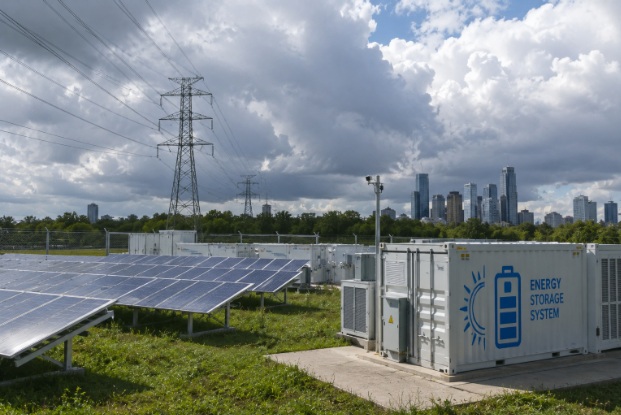
| Battery Energy Storage Systems | Store excess renewable energy | Greater grid stability during demand peaks |
| Distributed Energy Resources | Integrate local energy generation | Increased resilience and cleaner electricity |
| Grid Automation | Detect and respond to disruptions | Faster outage restoration and improved reliability |
Rather than relying solely on centralized power plants, modern grids increasingly coordinate multiple energy sources while automatically adjusting to changing conditions.
Artificial Intelligence Is Making Power Grids Smarter
Artificial intelligence (AI) has become one of the most promising tools for managing complex electricity networks.
Modern AI systems can analyze enormous amounts of operational data to help utilities:
- Predict electricity demand more accurately
- Detect equipment failures before they occur
- Optimize renewable energy integration
- Identify abnormal grid conditions
- Reduce unnecessary operational costs
For example, AI can forecast cloud cover affecting solar farms or changing wind patterns influencing wind turbine output. These forecasts help grid operators balance electricity supply and demand more effectively.
Machine learning also supports predictive maintenance by identifying subtle warning signs that human operators might overlook, reducing unexpected equipment failures and improving overall system reliability.
Energy Storage Helps Balance Renewable Power
Renewable energy is clean, but it is also variable. Solar panels generate electricity only during daylight hours, while wind farms depend on weather conditions.
Battery energy storage systems help solve this challenge by storing excess electricity when production exceeds demand and releasing it when additional power is needed.
Major benefits include:
- Supporting grid stability
- Reducing renewable energy curtailment
- Improving emergency backup capabilities
- Managing peak electricity demand
- Increasing overall energy resilience
As battery technology continues to improve, storage systems are becoming more affordable and scalable for utilities, businesses, and communities worldwide. Energy storage is expected to play an increasingly important role in supporting cleaner, more flexible, and more reliable electricity systems.
Distributed Energy Resources Are Changing the Grid
Traditional electricity systems relied heavily on large centralized power plants. Today’s smart grids increasingly incorporate distributed energy resources (DERs), including:
- Rooftop solar panels
- Community solar projects
- Small-scale wind generation
- Battery storage
- Electric vehicles capable of supporting grid operations
Instead of simply consuming electricity, many homes and businesses now generate power as well. This two-way flow of electricity requires sophisticated communication between grid operators and connected devices.
Distributed resources also improve resilience because electricity generation becomes spread across many locations rather than concentrated in a few facilities. During localized disruptions, portions of the grid may continue operating independently, reducing the impact of outages.
Digital Monitoring Improves Reliability
One defining feature of smart grids is their ability to continuously monitor network conditions.
Advanced sensors placed throughout transmission and distribution systems collect data on:
- Voltage levels
- Power quality
- Equipment temperature
- Electricity flow
- Network performance
This real-time visibility allows utilities to detect problems much earlier than traditional systems.
For example, if a transmission line begins showing unusual operating conditions, automated monitoring systems can alert operators immediately. Some smart grid technologies can even isolate affected sections automatically, minimizing service interruptions while repair crews respond.
This proactive approach reduces downtime and improves customer reliability.
How Smart Grids Support Climate Goals
Smart grids are not simply about improving technology—they also support broader climate objectives.
Modern grid technologies contribute by:
- Integrating larger amounts of renewable energy
- Reducing electricity waste through better efficiency
- Supporting transportation electrification
- Improving energy management for buildings
- Enhancing resilience against climate-related disasters
These improvements help countries pursue emissions reduction targets while maintaining dependable electricity supplies.
As highlighted by CGTN, global discussions increasingly focus on how technological innovation and infrastructure modernization can accelerate climate action while strengthening long-term energy security.
What Experts Expect Next
Experts anticipate continued investment in several emerging areas:
- Expanded battery deployment for grid-scale storage.
- Greater use of AI for real-time grid optimization.
- More advanced cybersecurity to protect digital infrastructure.
- Increased adoption of smart appliances that automatically respond to electricity demand.
- Stronger integration between electric vehicles and power networks.
These developments will likely make electricity systems more flexible, efficient, and resilient as renewable energy adoption continues worldwide.
Following reliable climate tech news helps you stay informed about these rapidly evolving technologies and understand how policy, innovation, and infrastructure improvements are shaping the future of global energy.
Conclusion
Smart grid innovation is transforming the way electricity is produced, managed, and delivered. From artificial intelligence and advanced monitoring to battery storage and distributed energy resources, today’s technologies are creating power systems that are better equipped to support renewable energy while improving reliability and resilience.
As climate challenges continue to evolve, understanding these innovations can help you appreciate the important role that modern energy infrastructure plays in building a cleaner future. Staying informed through trusted sources and following developments in climate technology allows you to better understand the progress being made toward sustainable, reliable, and intelligent energy systems.