








How MMA Fans Are Embracing Online Entertainment Today
How MMA Fans Are Embracing Online Entertainment
Fight night used to mean one screen, one couch, and a loud room waiting for the walkouts. Now MMA fans keep a second screen nearby, because the sport has spilled into chats, short videos, fantasy cards, live odds, and small online games between rounds. The pace fits them. A 15-minute break after a first-round finish leaves time to check Discord, vote in a poll, argue about a 10-8 round, or scan clips of a nasty calf kick. Some fans treat it like the old pizza run, only quicker. They want action while judges compare scorecards and cornermen ice swollen eyes. After the co-main ends, one group chat might open jm8 before the next bout, then return to picks and memes. Sites such as https://tk-11.com/ sit inside that habit, alongside Reddit threads, YouTube breakdowns, and messages full of bad predictions.
The second screen during fight night
The second screen is not background noise anymore. During UFC 300, plenty of fan spaces ran live scorecards, reaction GIFs, and parlay screenshots before the official decision was read. That speed explains why side games and casino-style pages get attention during long gaps. A fan who has already watched three prelims may try jackpot fishing for five minutes, then look back when the next walkout song starts.
Safety talk has moved into those chats too. Mods in serious communities now pin reminders about budget limits, age checks, and license details. Some fans visit http://casino-curacao.nl/ to compare international licenses before trusting a site with personal data. It is a dry task. Still, it beats guessing.
Clips, stats, and instant debate
Short-form video changed how fans study fights. A takedown defense that once disappeared after broadcast now shows up on TikTok 40 seconds later, slowed down and circled in red. Casual viewers learn fast. They spot underhooks, head position, and the small fence grab that an announcer missed.
The debate gets noisy, but it has texture. On X, a former regional wrestler may explain why a single-leg failed. On YouTube, a coach pauses the same exchange and talks through hip pressure. Fans compare those notes with FightMetric totals, then decide if the commentary team sold them a story.
Bad takes still travel. Of course.
Yet the result is sharper viewing. A person who watches three breakdowns on Alex Pereira’s left hook does not see the next title defense in the same plain way. The phone becomes a pocket gym, minus the smell of old gloves and disinfectant. That changes watch parties too. Someone rewinds a jab entry on the kitchen TV while another person checks the official clock and yells over the blender.
Fantasy cards make every prelim matter
Fantasy play has given early bouts a different feel. A ranked lightweight fight sells itself, but a 1 p.m. prelim between two debuting bantamweights needs a hook. Draft groups, pick leagues, and private spreadsheets do that job. Suddenly the friend who skipped the opener is asking about takedown averages.
The formats stay simple. Pick the winner, choose the method, guess the round, maybe mark one upset. Some groups add tiny punishments, like wearing a losing fighter’s walkout outfit to the next barbecue. Silly? Yes. Memorable too.
This kind of play rewards research without demanding a coaching badge. Fans check Tapology records, look at weigh-in photos, and scan interviews for injury clues. A missed weight cut becomes part of Saturday drama before a punch is thrown.
It also softens regional bias. If a league gives points for every bout, a viewer in Manchester has a reason to care about a Brazilian prospect fighting in Las Vegas before breakfast back home. That tiny stake changes the room. Nobody leaves for snacks during a grappling-heavy opener if league points sit on one guard pass.
Watch parties moved into group chats
The living room is still alive. It just has a digital twin. Friends who once met at the same sports bar now split across time zones, with one person in Dublin, another in Toronto, and a cousin watching on a phone during a night shift.
Group chats fill the gap. They carry voice notes after knockouts, screenshots of suspicious scorecards, and quick apologies after someone spoils a delayed broadcast. The best chats have rules. No result talk until the lagging stream catches up. No injury jokes. No ten-message rant about a lost bet while the main event is walking.
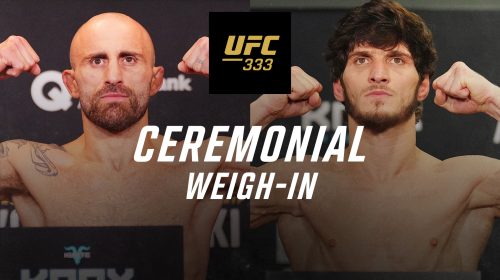
Small rituals matter here. Someone posts the poster on Monday. Another shares weigh-in faceoffs on Friday. By Saturday, the chat has its own card, with nicknames, fake odds, and one member who predicts every guillotine.
It feels personal because it is. MMA has always been tribal, and online spaces make the tribe portable. Even silence has meaning. If the chat goes quiet after a body shot, everyone knows the replay is being watched twice. Then the jokes return, usually too loud and too soon again.
Betting talk grew more careful
MMA betting chatter used to sound like locker-room bravado. Big claims, little math. Now the smarter fan circles talk about bankroll size, closing line value, and why a heavyweight underdog with one round of cardio is not a bargain at any price.
There is more data now. Fans track reach, stance, age, layoff length, and how a fighter reacts after getting backed to the fence. They also know the limits. One eye poke can break the cleanest read. So can a judge who loves forward pressure more than clean punches.
Communities have become less patient with reckless posts. A screenshot of a huge stake gets pushback if the bettor cannot explain the pick. Loss chasing gets called out. Good.
The change is healthy, but not moralistic. Fans still enjoy risk because fights are uncertain by design. The better online spaces treat betting as a side conversation, like barbecue sauce at a cookout. It belongs on the table, not on every plate. A simple rule has stuck: if the stake would ruin Monday morning, the play is too large for Saturday night. No extra drama needed.
What comes next for fight fans
The next wave will probably feel less like a giant new platform and more like small habits getting smoother. Broadcasts already show live tweets, alternate commentary, and corner audio in some promotions. Fans will expect more control over camera angles, stats panels, and replay clips.
Artificial intelligence will enter the mix, though hype will outrun the useful parts. A good tool could tag every low kick in a three-round fight and show damage over time. A bad one will spit out bland predictions and call every southpaw dangerous. Fans will learn the difference quickly.
Creators have room to grow too. The best MMA channels are not copying studio desks. They are filming gym visits, judging close rounds with local refs, and explaining why a failed trip still forced a reaction.
For fans, the smart move is simple. Pick two online habits that make fights richer, then drop the rest for one card. Keep the chat. Keep the stats. Mute the noise before Buffer starts talking. Next Saturday, someone can try that during the prelim opener and see what actually improves the round at home.