


















How Cell Culture Bags Are Changing Modern Laboratory Workflows
Cell culture work can become difficult as experiments grow in scale. Traditional vessels may require more handling, repeated transfers, and additional space as cell numbers increase.
These steps can also make workflows harder to manage and increase opportunities for contamination. As a result, researchers need culture systems that support expansion without adding unnecessary complexity.
Cell culture bags offer a practical approach to this challenge. Their design can support high-density cell growth while making observation, gas exchange, and culture handling easier to manage. They can also fit into workflows involving suspended cells, including T cells and NK cells.
Let’s explore six ways they can support more efficient cell culture processes.
1. Simplify Cell Expansion and Handling
Cell Culture Bags can make cell expansion easier to manage. Their flexible design provides a contained space for growing cells. This can reduce the need to move cultures between multiple vessels as cell numbers increase.
Fewer transfers can also reduce manual handling. As a result, your workflow can become easier to organize. It may also help maintain more consistent culture conditions during expansion.
This approach can be useful for suspended cells, including T cells and NK cells. These cells may need controlled conditions as they expand. A suitable culture bag can support their growth while keeping handling simple.
You can then focus more on monitoring cell growth, density, and overall culture conditions.
2. Support Larger-Scale Cell Culture
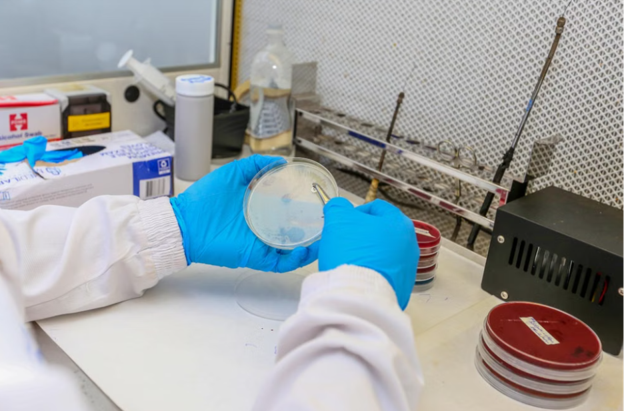
Scaling cell culture can become difficult as cell numbers increase. Small vessels may require more space and frequent handling. This can make the workflow harder to manage.
Cell culture bags provide a larger culture surface in a flexible format. For example, a 640 cm² bag can support high-density cell growth. This can make larger-scale expansion easier to manage.
Scaling also requires stable culture conditions. You need to increase cell numbers without adding unnecessary changes to the process. A consistent culture format can help keep handling more manageable.
As a result, bags can support laboratories moving beyond small-scale culture. They provide greater culture capacity while keeping the workflow familiar and easier to organize.
3. Reduce Manual Steps During Culture
Manual handling takes time and close attention in laboratory work. Each transfer also adds another chance for mistakes or contamination.
Cell culture bags can reduce some of these repeated steps. They provide a contained space for cell expansion. This means you may not need to move cells between several rigid vessels as often.
As a result, routine work can become easier to organize. You can spend more time monitoring cell density, morphology, and viability. You can also keep the culture process more consistent.
A secure closure adds another layer of control. It helps limit unwanted exposure during handling. However, proper aseptic technique is still essential.
Overall, the design of a culture bag can help reduce manual steps. This can make cell culture workflows simpler and easier to manage.
4. Improve Control Over Culture Conditions

Maintaining suitable culture conditions is essential for healthy cell growth. Cells need an appropriate environment for gas exchange and continued expansion. At the same time, researchers need to monitor changes in cell appearance and condition.
Cell culture bags can support both needs through their design. A large gas exchange area can help provide the conditions required during cell growth. This is particularly relevant when cultures become denser and cellular demand increases.
The transparent material also makes visual monitoring easier. You can observe the culture and assess cell condition under a microscope without relying entirely on indirect measurements. This can help you identify changes in morphology or other visible characteristics during an experiment.
These features can make routine monitoring more straightforward. Instead of treating observation and culture management as separate tasks, you can incorporate visual assessment into your regular workflow.
However, good culture control still depends on the complete process. Media, temperature, incubation conditions, cell density, and handling practices all affect cell growth. A culture bag can support these requirements, but it does not replace careful laboratory procedures.
5. Increase Flexibility Across Cell Culture Workflows
Laboratories often work with different cell types and experimental requirements. A culture system therefore needs to be adaptable enough to support more than one application.
Cell culture bags are particularly relevant to workflows involving suspended cells. They can support the growth of cell populations such as T cells and NK cells, making them useful for researchers working with immune cell cultures.
This flexibility can help laboratories use a similar culture format across related experiments. You may not need to redesign the entire workflow every time the scale or cell type changes.
The availability of different pack sizes can also support different laboratory needs. Smaller quantities may suit routine research work, while larger packs can be more practical for laboratories that use bags regularly.
Flexibility is especially valuable when workflows change over time. As research progresses, you may need to adjust culture scale, cell numbers, or experimental stages. A suitable culture system can make those changes easier to accommodate without creating unnecessary disruption.
6. Streamline Cell Processing and Scale-Up
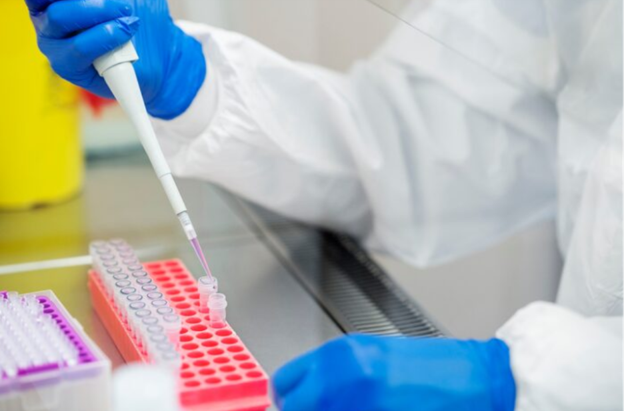
The final stage of a culture workflow often depends on how smoothly earlier steps have been managed. If expansion requires frequent transfers or extensive manual intervention, later processing can become more complicated.
Cell culture bags can help create a more streamlined path from cell growth to subsequent processing. Their flexible format can support high-density expansion while keeping the culture contained. This can be useful when your workflow requires larger cell populations before downstream research or processing.
A consistent culture format can also make planning easier. You can consider culture capacity, cell density, monitoring requirements, and handling steps together rather than treating each stage as an isolated task.
This becomes increasingly important as laboratory work moves toward more scalable processes. Researchers may need to increase cell numbers while keeping procedures consistent and manageable. A culture bag can contribute to that goal by supporting expansion within a system designed for practical handling.
Still, scale-up should always be evaluated according to the specific cell type and research protocol. Factors such as media requirements, cell density, incubation conditions, and downstream applications should guide the choice of culture system.
Conclusion
Cell culture bags are changing laboratory workflows by giving researchers another practical option for cell expansion and handling. They can support higher-density cultures, reduce some manual transfers, provide useful gas exchange, and make visual monitoring easier. Their flexible design can also support workflows involving suspended cells such as T cells and NK cells.
However, their value depends on how well they fit into the complete culture process. You still need suitable media, controlled conditions, careful handling, and appropriate monitoring. When these factors are considered together, cell culture bags can help create a more organized and scalable approach to modern cell culture work.