



















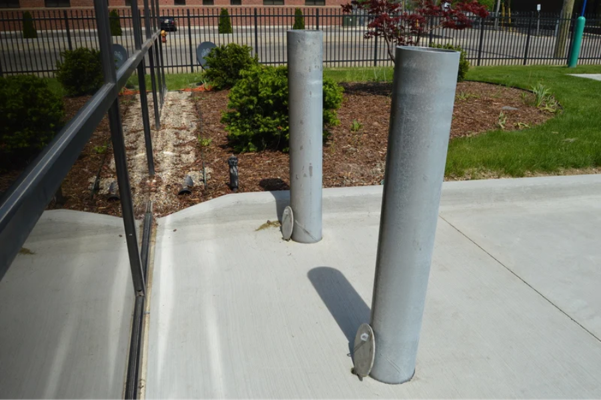
How Do Removable Bollards Work? Everything You Need To Know
When it comes to having a driveway, walkway, or event space that requires vehicle access at various times, things can get quite complicated. You can install a barrier to stop any traffic that you don’t want, but if deliveries, maintenance, or emergency vehicles need to pass through, it can become a nuisance.
That’s where bollards that can be moved are a sensible compromise. They can be implemented to provide a physical barrier where access is required to be prevented and removed when the path is opened again. What goes on under the surface, though? How exactly is a bollard supposed to be secured, and can it be moved without leaving an obstruction?
It’s easier to make a choice once you have an understanding of the system.
Listed below are 5 points that clarify exactly how removable bollards function and where they’re best suited.
1. Create Flexible Vehicle Control
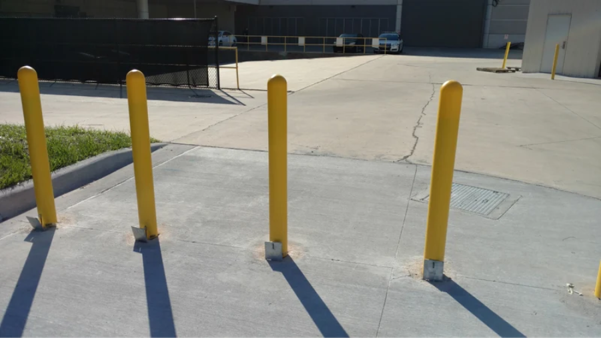
A removable bollard is an easy solution to prevent vehicles from entering a driveway, walkway, plaza, or entrance without closing it off permanently. They can be lifted out when authorized vehicles need to pass, unlike a fixed bollard.
That’s where flexibility begins to come in handy, as access to the area varies during the day. For instance, a pedestrian-only area might require some access for deliveries, maintenance staff, or emergency vehicles.
The primary benefit to the property owner considering removable bollards is simple: the barrier is present when needed, removed when not.
A few common applications include:
- Pedestrian areas
- Event spaces
- Private driveways
- Service entrances
2. The Ground Sleeve Supports the Post
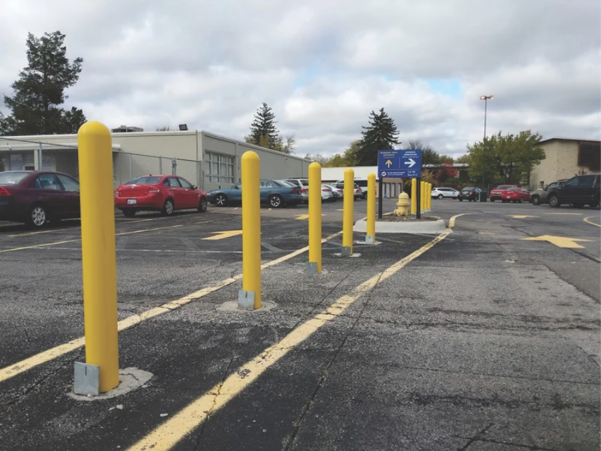
So, what keeps a removable bollard secure while it is in place? The answer starts below the visible surface.
A removable bollard usually fits into a metal sleeve or receiver that is anchored in the ground. When the post is inserted, the sleeve holds it securely in position. Depending on the design, a locking mechanism also prevents unauthorized removal.
When access is needed, an authorized person unlocks the post and lifts it out. The sleeve stays in the ground, ready for the bollard to be inserted again later.
That simple setup is what makes the system different from a permanent barrier. The post can move, while the underground support remains in place.
3. Removal Opens Access When Needed
Once the basic mechanism is clear, the practical benefit becomes easier to see. The bollard does not have to stay in place when the area needs to accommodate authorized traffic.
Consider a downtown plaza during a weekend event. Vehicles may need to stay out while pedestrians are using the space. Later, maintenance or delivery vehicles may need a clear route. Removing the bollards creates that opening without dismantling a permanent barrier.
The same approach can work for:
- Seasonal pedestrian areas
- Emergency access routes
- Maintenance zones
- Event venues
- Controlled parking areas
This flexibility is particularly useful when access requirements change with the season or activity. New York State transportation guidance also recognizes removable bollards as an option for seasonal pedestrian traffic, particularly when posts need to be removed for maintenance.
4. Different Designs Handle Different Needs
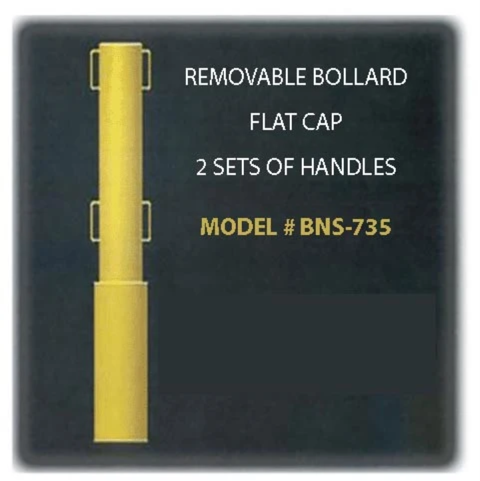
Of course, flexibility is only part of the picture. The right removable bollard also depends on what the space needs to handle.
Some models mainly discourage everyday vehicle access. Others are built for more demanding security applications. Their construction, locking systems, foundation requirements, and impact resistance can differ significantly.
A few factors to consider include:
- Material and construction
- Post diameter and height
- Locking mechanism
- Foundation design
- Impact resistance
This distinction matters because appearance alone does not tell you how much protection a bollard provides. A decorative post may suit a pedestrian area where access control is the main concern. A security-rated system may make more sense where stopping a vehicle is a higher priority.
In other words, choosing a bollard starts with understanding the job it needs to perform.
5. Placement Helps the System Work Properly
After the appropriate kind of bollard is chosen, location also matters. A strong post can never work well when it is situated in a place where traffic or people cannot pass around it and do so safely.
Begin by examining the approach of vehicles to the area. Next, take into consideration walking paths, accessibility, entrances, drainage, and maintenance needs. These details help determine where the posts and their ground sleeves should go.
To simplify things, a couple of practical checks can be made:
- Provide clearance to authorized vehicles.
- Keep pedestrian routes easy to navigate.
- Avoid creating unnecessary trip hazards.
- Check for underground utilities before excavation.
- Match the bollard to the level of protection required.
This last fact is worth considering since the bollards are frequently included in a broader pedestrian-safety plan. The U.S. Department of Transportation’s current guidance highlights bollard projects as a way to help protect areas used by large numbers of pedestrians.
Conclusion
Removable bollards offer a sensible solution to vehicle control and easy access. Their design enables a secure post to stay where it is needed when an area requires protection and to be released when authorized traffic is required to cross it. The support is provided by the ground sleeve, and the locking system retains the post until it is needed to be removed.
Whether it is pedestrian areas and event areas or service entrances, the correct arrangement varies according to the space and access requirements. Removable bollards can be used to offer flexible control without a permanent barrier with careful placement and proper design.