



















Sudoku vs Other Puzzle Games — Which Builds Logic Faster?
Sudoku vs Other Puzzle Games
Puzzle games have long been recognized as excellent tools for enhancing cognitive abilities, particularly logical reasoning and problem-solving skills. From number-based classics like Sudoku to word challenges, match-three games, and sliding puzzles, players have endless options to sharpen their minds. But when the goal is building logic faster, which type of puzzle reigns supreme?
This article breaks down how Sudoku compares to other popular puzzle games by analyzing strategy depth, difficulty progression, and pattern recognition — the three pillars of logical development.
Strategy Depth Comparison
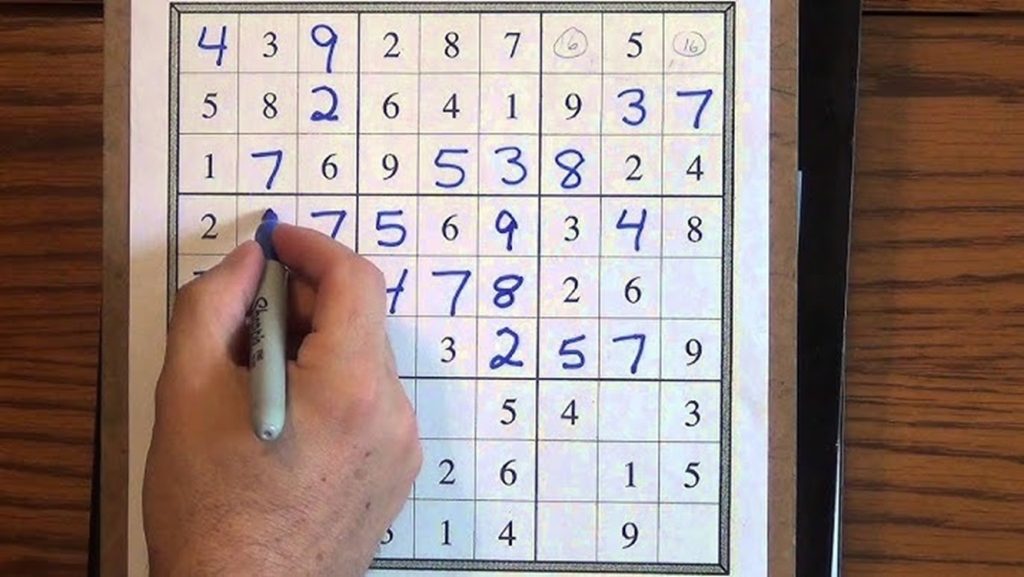
Sudoku stands out because it relies entirely on pure logical deduction rather than guesswork or memory recall. Players must examine rows, columns, and 3×3 grids, applying consistent rules to deduce correct placements. Each move affects the entire puzzle, demanding forward planning and systematic evaluation.
By contrast, many other puzzle games focus more on pattern matches, reaction speed, or vocabulary knowledge. Games like Candy Crush or tile-matching puzzles reward quick visual recognition rather than complex reasoning. Word games enhance linguistic ability but don’t extensively train mathematical or sequential logic.
Logic-based games such as chess or crosswords do involve high-level thinking, but they often require prior knowledge and advanced learning curves. Sudoku offers strategic depth without steep barriers, allowing players to develop structured reasoning skills almost immediately.
If you enjoy clean and distraction-free puzzles, TheSudoku.com offers instant Sudoku grids that load quickly and help build a consistent daily logic-training routine.
Difficulty Scaling
One of Sudoku’s greatest advantages is its smooth difficulty progression. Beginners start with simple puzzles using obvious elimination techniques, while advanced players face complex grids requiring multi-step logical strategies like hidden pairs and advanced deductions.
This scalable challenge allows your brain to grow steadily — adapting continuously without overwhelming frustration. Each level introduces new mental demands while reinforcing earlier techniques, making skill development both efficient and measurable.
In comparison, many puzzle games either plateau quickly or increase difficulty artificially through timers, move limitations, or random mechanics that rely more on luck than logic. Such methods may heighten tension but do little to strengthen analytical thinking.
Sudoku’s increasing difficulty remains purely skill-based, ensuring that problem-solving speed and accuracy improve naturally over time.
Pattern Recognition Differences
Pattern recognition is a core cognitive skill developed through puzzle-solving, but the quality of this training varies widely across game types.
In Sudoku, players learn to recognize numeric patterns within fixed rule systems — spotting missing values, overlapping constraints, and logical exclusions. These patterns are dynamic and interdependent, requiring constant reasoning rather than rote memorization.
Other puzzle formats train pattern recognition differently. Visual puzzle games improve shape matching and color sequencing, which enhance perception but offer only surface-level reasoning challenges. Word puzzles build vocabulary pattern awareness but often lack interconnected rule complexity.
Sudoku excels because it blends pattern recognition with strict logical rules, forcing players to evaluate cause-and-effect relationships continuously — the exact skills needed for analytical reasoning and real-world problem solving.
Final Verdict: Which Builds Logic Faster?
While many puzzle games offer mental benefits, Sudoku consistently builds logical reasoning faster and more effectively than most alternatives. Its advantages include:
- Pure logic-based gameplay
- Progressive, skill-based difficulty
- Deep pattern recognition training
- Immediate accessibility with long-term challenge
Whether you’re sharpening your analytical skills, enhancing focus, or establishing a daily mental workout, Sudoku remains one of the most powerful and efficient tools available.
By committing to consistent practice on platforms like TheSudoku.com, players can develop stronger problem-solving habits that carry over into academic, professional, and everyday decision-making.