
















What Men Should Know Before Starting Testosterone Replacement Therapy
Why small health changes can point to low testosterone
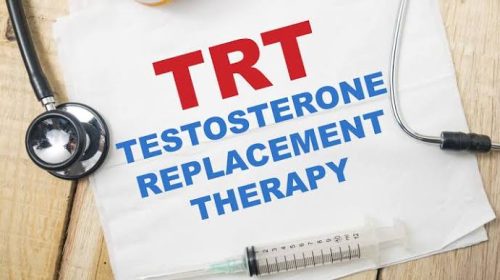
Your body rarely sends a neat notice when a hormone level drops. Instead, it may turn down the volume on parts of life you once enjoyed. Energy fades before dinner, gym results stall, and sex may feel less important. Sleep does not seem to fix the drag. We often treat these shifts as separate issues or blame a busy month. Yet when several changes appear together, checking your health makes sense. Care centered on testosterone replacement therapy may be considered when symptoms and blood tests confirm low testosterone. It is not a quick cure for every tired man. This guide explains what low testosterone can feel like, how doctors test for it, and what TRT involves. You will also learn which risks and follow-up checks deserve attention.
We wrote this guide because the loudest claims about TRT often miss the useful middle ground. Some call it a cure for aging, while others treat it as something to fear. Neither view helps you make a sound choice. Low testosterone is a health issue that needs context, repeat testing, and a personal care plan. You might be wondering whether one low result gives you an answer. It does not, since illness, poor sleep, hard training, and some drugs can briefly lower your level. A proper review looks at your symptoms, health history, goals, and more than one morning test. With that base, you can discuss benefits without ignoring limits. You can also avoid treatment when another cause better explains how you feel.
What low testosterone may change in your body and mind?
Testosterone helps support sex drive, sperm production, muscle, bones, and red blood cells. Low levels may affect several areas, though each man can feel different. You may notice less interest in sex or fewer morning erections. Strength may fall even when your gym plan stays the same. Some men gain body fat or find it harder to build muscle. Mood, focus, and drive may also change over time.
- Sexual interest may suddenly drop without a clear reason.
- Workouts may feel harder and yield fewer visible gains.
- Bones may slowly weaken when low levels last for years.
- Low energy may disrupt work, exercise, and normal home life.
These signs do not prove that your testosterone is low. Poor sleep, stress, depression, thyroid trouble, and excess weight can look much the same. Some pain drugs and past steroid use may affect hormone production. Problems in the testes or pituitary gland may also play a role. Tell your doctor when the changes began and which ones trouble you most. A full review helps separate a hormone issue from other health concerns.
How doctors confirm low testosterone before starting TRT
A sound diagnosis starts with symptoms and at least two morning blood tests. Testosterone levels can shift with sleep, illness, meals, and testing time. Your doctor may order more tests to find the cause. That careful process keeps one odd result from driving a long-term choice.
- Review your symptoms
Explain changes in sex drive, erections, energy, strength, mood, and focus. Share when they started and whether they come and go. This gives the lab results useful context.
- Repeat the morning test
Your first low result should usually be checked on another morning. The second result shows whether the pattern remains. In some cases, a free testosterone test adds more detail.
- Search for the cause
Further blood work can show how the brain and testes are signaling each other. Your doctor may check other hormones based on your history. Finding the source can reveal a health issue that needs separate care.
- Check whether TRT is safe
Your review may include blood count, blood pressure, sleep health, and prostate risk. Future fertility plans matter because TRT can lower sperm production. Honest answers help shape a safer plan.
What you should weigh before choosing a form of TRT
TRT can be given through shots, gels, patches, pellets, or some oral medicines. Each form has a different schedule, cost, and set of daily tasks. Shots may cause wider swings if doses are spaced too far apart. Gels provide steady use but can transfer through skin contact. Patches may irritate skin, while pellets require a short office procedure. Your doctor can match the form to your needs and test results.
- Ask how often you must take or apply each prescribed dose.
- Check the full cost and what your health plan covers.
- Discuss possible skin contact risks if you live with children.
- Learn which blood tests and follow-up visits your plan requires.
Benefits may include better sexual function, stronger bones, or more lean mass. Results vary, and TRT should not promise endless energy or instant weight loss. Possible concerns include acne, breast tenderness, swelling, higher red blood cell counts, and lower fertility. Blood pressure may also rise, so regular checks matter. Men planning children should discuss other choices before starting treatment. The best plan uses the lowest useful dose and changes only with medical guidance.
How to move forward with facts, support, and clear goals
Low testosterone deserves more than a guess, a sales claim, or one lab number. We believe good care starts with repeat tests, an honest health review, and clear goals. TRT may help the right patient, but it also needs steady follow-up. Your clinician should track symptoms, testosterone levels, blood count, blood pressure, and prostate health when appropriate. We encourage you to list your symptoms, medicines, past test results, and fertility plans before your visit. Bring your questions, even the awkward ones. They often matter most. If low energy, sexual changes, or lost strength keep affecting your life, schedule a qualified medical review. Take the next step today and build a plan based on evidence, safety, and your real needs.