

















The Real Role of Rest and Repair in Fitness
What “Recovery” Actually Means for Regular People Who Exercise
Recovery is one of the most misunderstood parts of fitness. Many people picture professional athletes with ice baths, massage therapists, and expensive gadgets. For the average person who jogs a few times a week or hits the gym after work, recovery looks far simpler. It is the process your body uses to repair itself, adapt to effort, and come back stronger. Understanding it can be the difference between steady progress and constant fatigue.
Why Recovery Matters More Than You Think
When you exercise, you create tiny amounts of stress and micro-damage in your muscles. This is normal and even necessary. The real gains happen afterward, while you rest, when your body rebuilds tissue and refills energy stores. Skipping recovery means you never give your body the chance to adapt, which leads to plateaus, soreness, and burnout.
Regular exercisers often assume that more work automatically equals better results. In reality, the body improves during downtime, not during the workout itself. Balancing effort with rest keeps your motivation high and your injury risk low. Treating recovery as a core part of your routine rather than an afterthought changes how sustainable your fitness becomes.
The Main Types of Recovery Explained Simply
Recovery is not a single activity but a collection of habits that work together. Some happen naturally, while others require intention. Knowing the categories helps you cover all your bases without overcomplicating things.
Here are the main forms of recovery that matter for everyday exercisers:
- Passive recovery: Complete rest, such as taking a day off from training entirely.
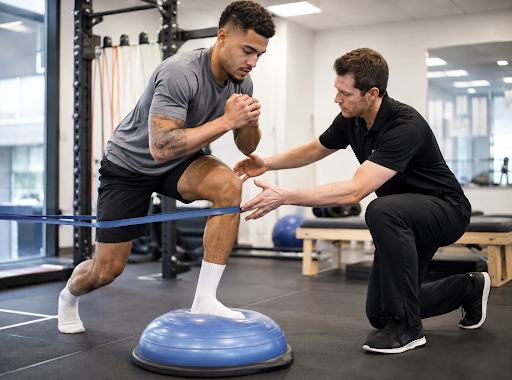
- Active recovery: Light movement like walking, stretching, or easy cycling to boost circulation.
- Sleep recovery: Deep, quality sleep where most repair and hormone regulation occurs.
- Nutritional recovery: Refueling with protein, carbohydrates, and fluids after activity.
- Mental recovery: Reducing stress and giving your mind a break from performance pressure.
Each type supports the others. Poor sleep, for example, undermines even the best nutrition plan, while chronic stress can slow physical repair. A well-rounded approach touches on all five without demanding hours of extra time.
How Sleep Drives Your Physical Progress
Sleep is arguably the most powerful recovery tool available, and it costs nothing. During deep sleep, your body releases growth hormone, repairs muscle fibers, and consolidates the motor patterns you practiced. Skimping on rest leaves you feeling sluggish and slows your gains, no matter how hard you train.
Adults generally need seven to nine hours per night for full recovery. Consistency matters as much as duration, so going to bed and waking at similar times strengthens your natural rhythm. Simple habits like limiting screens before bed and keeping your room cool make a noticeable difference. If you only improve one recovery factor, sleep should be it.
Nutrition and Hydration After Exercise
What you eat and drink after a workout directly affects how quickly you bounce back. Protein provides the building blocks for muscle repair, while carbohydrates restore the energy your muscles burn. Water and electrolytes replace what you lost through sweat and keep your systems running smoothly.
You do not need complicated supplements or perfectly timed meals to recover well. A balanced plate within a couple of hours after training usually does the job. Below is a quick comparison of common post-workout priorities and why they help.
| Recovery Focus | What It Does | Everyday Example |
| Protein | Repairs and builds muscle | Eggs, chicken, yogurt |
| Carbohydrates | Refills energy stores | Rice, oats, fruit |
| Hydration | Restores fluid balance | Water, milk |
| Electrolytes | Supports muscle function | Bananas, salted snacks |
Eating whole foods most of the time gives your body everything it needs. Overthinking the details often causes more stress than the missing nutrient itself.
Rest Days Are a Strategy, Not a Weakness
Many people feel guilty about taking a day off, as if progress only counts when they are sweating. In truth, rest days allow your muscles, joints, and nervous system to catch up. Scheduled recovery prevents overuse injuries and keeps your enthusiasm from fading over time.
A useful pattern for regular exercisers is to alternate harder sessions with lighter ones. This gives busy tissues time to heal while keeping you active. Just as you might unwind with some online casino games or a bit of online gambling at nvcasino to relax your mind, your body benefits from moments of genuine downtime between efforts. Listening to signals like persistent soreness or trouble sleeping helps you adjust before problems grow.
Signs You Might Need More Recovery
Your body often warns you when it is running low on reserves. Recognizing these signals early prevents small issues from becoming setbacks. Watch for lingering fatigue, declining performance, irritability, or workouts that suddenly feel harder than usual. If these persist, add rest, improve your sleep, and check your nutrition.
Bringing Recovery Into Your Everyday Routine
Recovery is not reserved for elite athletes; it is the foundation that makes any fitness routine work. By prioritizing sleep, fueling smartly, taking rest days, and paying attention to your body, you set yourself up for lasting results. Start small, stay consistent, and remember that steady habits built over weeks and months will always outperform short bursts of intense, unsustainable effort.