




How to Enhance Recovery with Cannabis Products
Recovery separates good fighters from great ones. Every training session breaks down muscle tissue. It inflames joints and taxes your nervous system. The real question is how to do it right.
Combat sports demand more from your body than most athletic pursuits. Between sparring sessions, bag work, and grappling rounds, your body takes serious punishment. Fighters have started exploring cannabis products as recovery tools. Research suggests they might be onto something.
Recovery Needs in Combat Sports
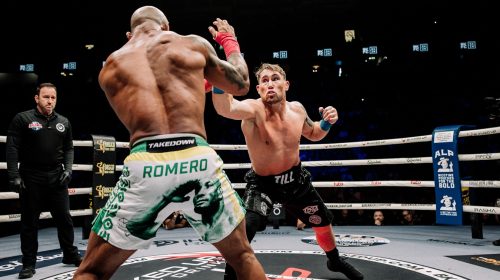
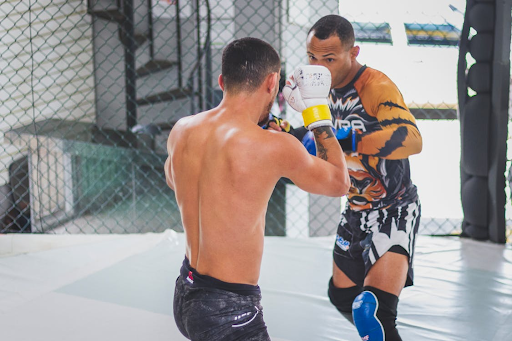
Training for MMA, BJJ, or boxing creates unique physical stress. Your body deals with impact trauma, joint strain, and muscle damage simultaneously. Traditional recovery methods like ice baths help. But they don’t address everything.
Inflammation is the biggest obstacle fighters face during recovery. Every punch absorbed triggers inflammatory responses. Every takedown executed adds to the load. Every round fought compounds the issue. This inflammation can linger for days. It slows your return to peak performance.
Sleep disruption adds another layer of difficulty. Intense evening training often leaves fighters wired. They struggle to rest properly afterward. Pain management becomes a daily reality for serious competitors. Chronic soreness in shoulders, knees, and hips persists between training camps. Many fighters rely on over-the-counter pain relievers. These come with their own risks when used regularly.
Cannabis Compounds for Athletic Recovery
Cannabis contains over 100 active compounds. Scientists call these cannabinoids. The two most studied are CBD and THC. Each offers different potential benefits for athletes.
CBD and Inflammation
CBD has gained attention for its reported anti-inflammatory properties. It doesn’t cause intoxication. Research from the National Institutes of Health shows CBD may interact with your body’s endocannabinoid system. This system helps regulate pain perception. It also controls inflammation and sleep cycles.
For fighters looking to access these products conveniently, finding a reliable Dispensary Near Me has become easier. Cannabis markets continue to expand across North America.
THC and Recovery Support
THC offers different advantages despite its psychoactive effects. Some athletes report better sleep quality with THC products. Others notice improved appetite stimulation. The key lies in understanding dosage and timing properly.
Using THC products hours before bed might support rest. This approach won’t affect your morning training sessions. Both compounds work differently when used alone versus together. The “entourage effect” suggests cannabinoids may be more effective in combination. Full-spectrum products contain multiple cannabinoids. Isolates focus on single compounds only.
Targeting Specific Recovery Problems
Different cannabis products address different recovery needs. Your goals determine which products work best. Here’s how fighters match products to their recovery challenges.
Topical Applications
Topical creams and balms target localized pain. They don’t enter your bloodstream. Fighters apply these directly to sore shoulders. They work well on elbows and knees after hard training sessions. The relief stays focused on the application area.
Systemic Inflammation Control
Inflammation management often requires systemic approaches. CBD oils taken orally may help reduce overall inflammatory markers. Preliminary studies support this application. The anti-inflammatory effects typically take 30 to 60 minutes to begin. They can last several hours afterward.
Sleep Optimization
Sleep represents another vital recovery element. Poor sleep undermines muscle repair. It also hurts cognitive function. THC products might help some athletes fall asleep faster. They may also help you stay asleep longer. However, timing matters because THC can affect REM sleep patterns.
Consider these application methods for different recovery goals:
- Topical applications work best for joint and muscle pain
- Sublingual oils help with systemic inflammation
- Edibles provide extended release throughout the night
- Vaporizers offer rapid onset when you need quick relief
Practical Guidelines for Athletes
Dosage varies widely between individuals. Starting with low amounts allows you to assess tolerance. It also helps you understand your response. A typical starting dose for CBD might range from 10 to 25 milligrams. THC requires even more caution. Beginners often find 2 to 5 milligrams sufficient.
Timing Your Intake
Timing your intake matters as much as dosage. Taking CBD 30 minutes before training might help manage exercise-induced inflammation. Post-workout dosing supports the recovery window. This is when your body repairs damaged tissue. Evening doses can promote better sleep quality.
Competition and Testing
Drug testing creates complications for competitive athletes. The World Anti-Doping Agency removed CBD from its prohibited list in 2018. However, THC remains banned in competition. Athletes subject to testing must choose products carefully. They need to understand detection windows.
Quality Control Issues
Quality control problems are common in the cannabis market. Third-party lab testing verifies that products contain what labels claim. Certificates of analysis show cannabinoid content. They also screen for contaminants like pesticides or heavy metals.
Research from the Journal of the American Medical Association found concerning results. Nearly 70 percent of CBD products were mislabeled. This makes verification critical before purchase.
Building Your Recovery Strategy
Recovery strategies should match your specific needs. Cannabis products represent one option among many tools. They work best alongside proper nutrition. Adequate sleep remains essential. Appropriate training loads matter too.
Start by identifying your primary recovery challenges. Is inflammation slowing your progress? Are you struggling with sleep? Do you have persistent pain in specific areas? Your answers guide product selection and dosing strategies.
Track Your Response
Keep notes on products used and doses taken. Record the effects you notice. This data helps you refine your approach over time. What works during heavy training camps might differ from maintenance periods. The needs change between competitions.
Individual Variation
Recovery is highly individual. Products and doses that help one fighter might not suit another. Patient experimentation leads to better outcomes. Honest self-assessment beats following trends blindly. Give your body time to adapt to new recovery protocols.
Your recovery plan should evolve as your training changes. Listen to your body. Adjust your approach based on results. The best recovery strategy is the one that keeps you healthy and performing at your peak.