





Betting on the Octagon: The Current State of Sportsbook Sponsorships in MMA (2026)
Killing the Passive Logo
The mixed martial arts sponsorship market changed entirely this year. Nobody buys canvas space just for brand awareness anymore. Sportsbooks demand direct pipelines to the viewer’s wallet. You see this clearly in the UFC’s new broadcast reality. The promotion signed a massive, low-nine-figure agreement with bet365. This ousted DraftKings from the North American throne. It fundamentally rewired the Saturday night viewing experience.
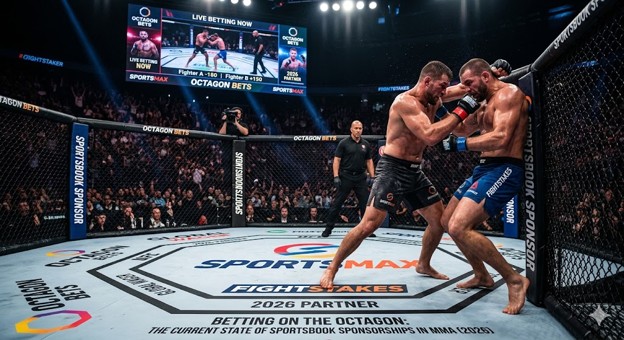
DraftKings controlled this space for five years. They spent roughly 350 million dollars to do it. Bet365 arrived with deeper pockets and a sharper technological mandate. Paramount+ and CBS now broadcast the fights. Bet365 controls the real-time wagering interface woven directly into that feed. We do not see passive logos taped to the cage bumpers anymore. We see dynamic odds flashing on the screen while fighters make their walkouts.
The sportsbook wants to eliminate the physical gap between the television screen and the betting slip. The operator uses massive 50 percent profit boost tokens to absorb legacy DraftKings users. They bleed money on these initial sign-up offers. They do it on purpose. It buys them market share. The timing aligns perfectly with the UFC’s new broadcast contract. The captive audience sits directly in the operator’s lap.
Weaponizing Data in the Challenger Leagues
The UFC dominates the cultural conversation. Challenger leagues survive by acting as tech laboratories. The Professional Fighters League proves this perfectly. The PFL locked down a global deal with Sportradar. They also handed FanDuel their domestic summer dates. Sportradar takes the raw biometric data from the PFL’s “SmartCage” and sells it to over 800 sportsbooks worldwide.
Punch velocity and heart rates become low-latency betting lines. Oddsmakers need this micro-level data to keep live betting windows open during chaotic rounds. Combat sports move too fast for human traders to manage manually. The math requires automated confidence. This biometric data provides it.
FanDuel uses the PFL to survive the dead season. The NBA and NFL hibernate during the summer. FanDuel pushes the PFL tournament format heavily during these months to keep their daily active users engaged.
ONE Championship plays a completely different game. They push their Asian primetime broadcasts straight to FanDuel TV. You watch the fight inside a casino ecosystem. The network essentially operates as a massive customer acquisition funnel for the sportsbook. ONE also uses 1xBet to farm the Eastern European and Asian markets. Regional monopolies pay better than blanket global deals. Mike Raffensperger and the FanDuel executives know this pipeline works. The friction drops to zero when the broadcast lives inside the betting app.
The Casino Pipeline and Mood Management
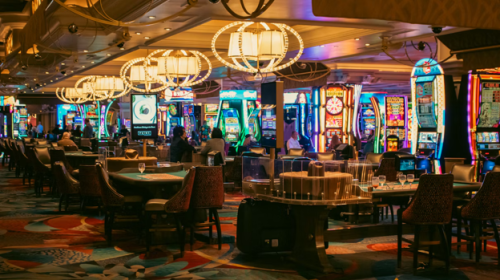
Sportsbooks operate on razor-thin margins. A massive underdog knockout can wipe out a weekend’s profit. The real money lives in the casino. Operators treat MMA as a massive, bloody billboard for their iGaming products. They want to convert the guy betting twenty dollars on a main event into a high-value casino player.
State tax codes dictate this specific strategy. Pennsylvania taxes online slots at a brutal 54 percent. The state only takes 16 percent on alternative digital gaming formats. Operators naturally push their sports bettors toward online table games like blackjack to protect their post-tax margins. DraftKings built custom slots like UFC Gold Blitz to lure sports fans. Many sharp bettors reject slot machines. They know the house edge is absolute. The sportsbook counters this skepticism by aggressively pushing digital blackjack and roulette. Bettors believe they have a strategic edge there. They are usually wrong.
Operators use behavioral psychology to force this migration. They call it mood management. A bettor loses a hundred dollars on a first-round submission. The sportsbook’s CRM engine detects the loss immediately. The app sends a push notification three seconds later. It offers a free casino chip to soften the blow. The app wants that user chasing their losses at the virtual blackjack table.
A bettor wins big? The engine offers a deposit match to amplify their euphoria. The app never lets the user rest. The industry also utilizes Live Dealer ecosystems to build trust. Human dealers shuffle physical cards on a live stream. DraftKings builds exclusive tables for their sports bettors. You can complain about a bad referee stoppage in the chat room while betting on baccarat. The communal sports bar vibe keeps users trapped in the ecosystem for hours.
Setting the Valuation Floor
We must compare betting deals to legacy brand sponsorships to understand these valuations. Anheuser-Busch paid over 100 million dollars a year to put Bud Light back in the center of the octagon. The beer giant needed a cultural reset after massive volume declines. They paid for pure visibility.
Sportsbooks do not buy visibility. They buy closed-loop attribution. DraftKings or bet365 can track exactly how many users downloaded their app during a specific title fight. They track every dollar those users deposit. The operator calculates the exact return on investment down to the penny. A traditional brand hopes a fan buys a six-pack the next day. A sportsbook takes the fan’s money before the fight even ends.
Analysts measure this success through strict financial architectures. Operators track the Baseline Acquisition Profile before a major sponsorship activates. They look for genuine newcomer headroom. A temporary spike in website traffic means nothing. The operator must prove that the Customer Equity Building outpaces the Gross Gaming Revenue. Private equity firms fund these nine-figure betting sponsorships because the math scales predictably. The lifetime value of a cross-sold casino player justifies the insane initial acquisition cost. The break-even timeline shrinks from twelve months to three weeks.
The Offshore Arbitrage and the Micro-Market Future
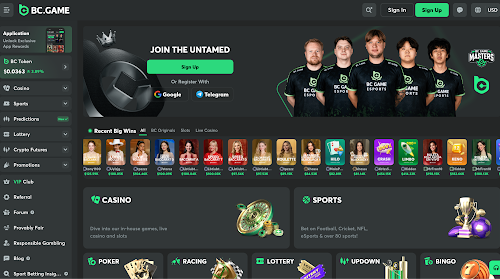
North America provides the highest revenue per user. The global market requires a completely different playbook. The UFC uses Stake to control Latin America and Asia. Stake operates primarily in cryptocurrency. This bypasses traditional banking infrastructure. It allows the sportsbook to pull money out of highly fragmented, volatile markets.
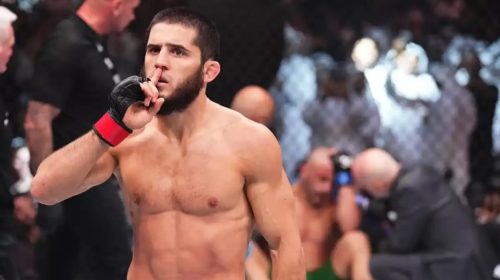
The operator pays UFC champions like Israel Adesanya to act as digital affiliates. These fighters legitimize the crypto-casino to a young, tech-savvy audience. Stake pulls massive profits from these unregulated zones. They use that cash to buy Formula 1 teams and Premier League jerseys. The promotion meticulously fragments its geographical rights. Bet365 owns the United States. Stake owns Brazil. Polymarket handles the global prediction markets. The UFC extracts maximum leverage from every single regulatory jurisdiction.
The industry is actively building hybrid gaming experiences for the next decade. Companies will merge the live fight broadcast and the casino floor onto a single screen. You will watch a title fight on the top half of your phone. You will play virtual roulette on the bottom half. Predictive markets will let fans trade shares on micro-outcomes. Users will buy stock on whether a fighter bleeds in the second round. The sport is just raw data now. The octagon is simply the acquisition engine.