

















Who Pays When You Get Hurt Training MMA? A Florida Gym Liability Guide
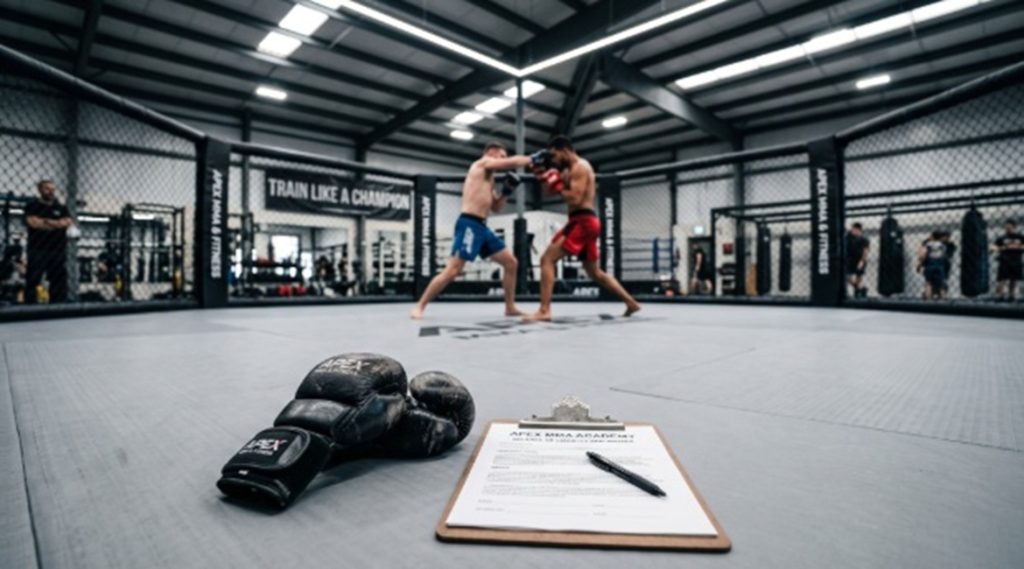
MMA is one of the fastest-growing combat sports in the United States, and Florida’s gyms are packed with fighters at every level, from hobbyists learning their first armbar to amateurs grinding toward their regional debut. But with contact-heavy training comes a very real risk. Sparring sessions go wrong. Mats create tripping hazards. Equipment breaks. Coaches push athletes past their limits.
When an injury happens at an MMA gym, the first question most fighters ask is: was this my fault, or does the gym bear some responsibility? The answer under Florida law is more nuanced than most athletes expect, and knowing it could be the difference between covering your own medical bills and holding the right party accountable.
The Waiver You Signed Isn’t Necessarily the End of the Story
Almost every MMA gym in Florida hands new members a liability waiver before they set foot on the mat. These documents are real contracts, and Florida courts do enforce them, but they have clear limits.
A properly drafted waiver can shield a gym from liability for the inherent risks of MMA training: an accidental elbow in sparring, a rolled ankle from a takedown, or muscle strain from hard drilling. These are outcomes a reasonable person understands when they choose to train. According to the Florida Legislature’s statutes on express assumption of risk, participants who voluntarily engage in contact sports accept a degree of physical risk as part of the activity.
What waivers generally cannot do is protect a gym from its own negligence, particularly when that negligence goes beyond the sport’s ordinary risks. Florida courts have repeatedly ruled that businesses cannot contractually absolve themselves of responsibility for unsafe premises or reckless conduct.
When Is a Florida MMA Gym Legally Liable?
Florida premises liability law requires that gyms, as business owners, maintain a reasonably safe environment for members and guests. That duty covers more than just keeping the floors clean. It includes:
- Equipment maintenance: Broken heavy bags, frayed gloves, loose cage panels, and defective grappling dummies that cause injury may point to gym negligence.
- Facility upkeep: Torn or improperly installed mats are a major source of knee, ankle, and head injuries. A gym that ignores mat degradation may be liable for the resulting harm.
- Coach conduct: If an instructor forces an injured athlete to continue training, pairs mismatched experience levels with no supervision, or encourages dangerous techniques without proper safeguards, the gym could face legal exposure.
- Overcrowding: Gyms that pack too many practitioners into a small space increase collision risk beyond what any participant would reasonably expect.
Data from the Centers for Disease Control and Prevention confirms that sports and recreation injuries represent one of the leading causes of emergency department visits in the United States, with combat sports carrying a disproportionately high rate of acute trauma. That statistical reality is exactly why Florida law draws a hard line between accepted risk and preventable harm.
Third-Party Liability: Equipment Manufacturers and Event Organizers
Gym liability is only one piece of the puzzle. If you were injured by defective equipment, such as a helmet that cracked under normal sparring impact, shin guards with failed padding, or a submission dummy with a sharp internal frame, the manufacturer or distributor of that product may also be liable under Florida’s product liability statutes.
Similarly, if the injury occurred during a sanctioned amateur or professional event rather than a regular training session, event organizers, promoters, and sanctioning bodies could share responsibility depending on the circumstances. Florida’s Department of Business and Professional Regulation oversees combat sports events in the state and establishes safety standards that promoters are required to meet.
What to Do Immediately After a Gym Injury in Florida
If you’ve been hurt at an MMA gym, the actions you take in the first 24–72 hours matter more than most people realize:
- Seek medical attention immediately: even if the injury feels minor. Delayed treatment creates gaps that insurance companies and defense attorneys will use against you.
- Document everything: photograph the equipment or surface involved, get names of witnesses, and note the time and conditions of the training session.
- Request a copy of the incident report: if the gym files one. If they refuse, note that refusal.
- Do not sign anything from the gym’s insurer: Settlement offers made quickly after an injury are rarely in the injured party’s best interest.
- Consult an attorney: Florida’s statute of limitations for personal injury claims is two years from the date of injury under Florida Statutes § 95.11. Missing that window forfeits your right to recover.
Know Your Rights Before You Step Back on the Mat
MMA gyms in Florida have a legal and ethical obligation to create environments where athletes can train without facing unreasonable hazards. When a gym fails that obligation, whether through neglect, recklessness, or unsafe conditions, injured athletes have real legal options.
If you or a training partner has been hurt at a Florida gym and you’re unsure whether negligence played a role, our experienced accident claim attorneys in Tampa can help you assess your case with no upfront cost. Understanding your rights is the first step toward ensuring that someone else’s negligence doesn’t become your financial burden.