

















The Hidden Risk: Varicose Veins in MMA Fighters
Mixed Martial Arts (MMA) is one of the most physically demanding sports in the world. Fighters train for hours every day—running, kicking, grappling, and sparring—to push their bodies to peak performance. However, while most athletes focus on preventing concussions, fractures, or torn ligaments, there’s another health issue that often goes unnoticed: varicose veins.
Though commonly associated with older adults or those who stand for long hours, varicose veins can also develop in elite athletes, including MMA fighters. The intense physical demands of the sport, coupled with repetitive strain and high pressure on the legs, can contribute to poor vein health over time.
Understanding Varicose Veins
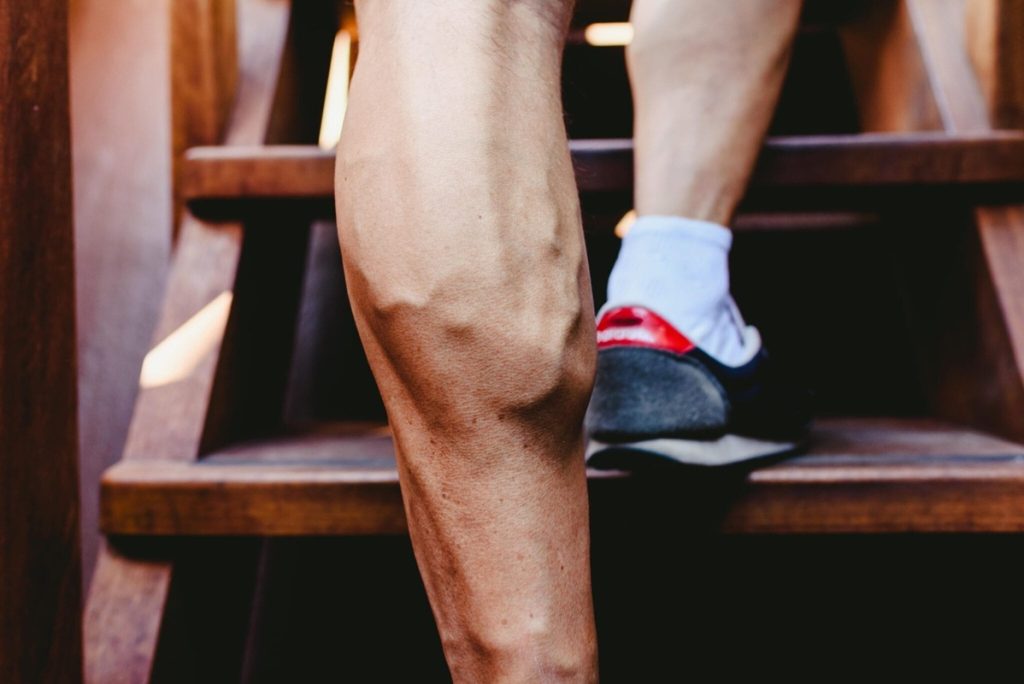
Varicose veins occur when the valves inside the veins that regulate blood flow become weak or damaged. These valves are responsible for keeping blood moving back toward the heart. When they fail, blood can pool in the veins, causing them to enlarge, twist, and appear visibly swollen or bulging beneath the skin.
In addition to their unsightly appearance, varicose veins can lead to pain, swelling, cramping, and even more serious conditions like chronic venous insufficiency if left untreated.
For MMA fighters—whose careers depend on agility, strength, and endurance—these symptoms can severely affect both performance and recovery.
Why MMA Fighters Are at Risk
Although MMA athletes are typically in great shape, several factors inherent to the sport increase the likelihood of developing varicose veins:
1. Intense Lower-Body Pressure
Fighters frequently engage in leg-heavy training—such as squats, kicks, and takedowns—that increases venous pressure in the legs. This strain can weaken vein walls and valves over time, leading to blood pooling and the development of varicose veins.
2. Constant Muscle Contraction
During fights and training, muscles contract repeatedly and forcefully, especially in the calves. While these contractions normally help pump blood back toward the heart, excessive or prolonged tension can have the opposite effect—trapping blood in the lower extremities.
3. High-Impact Training and Weight Cutting
MMA fighters often jump, kick, and run—high-impact activities that stress the legs. Additionally, frequent dehydration during weight cuts thickens the blood, making circulation more difficult and further straining the veins.
4. Prolonged Standing and Sparring Sessions
Training sessions often last several hours, with long periods of standing, stretching, and movement. Prolonged standing without adequate recovery can hinder circulation and contribute to venous pooling.
5. Genetic Predisposition and Repetitive Injury
Even the strongest athletes can’t escape genetics. Fighters with a family history of vein problems are naturally more prone to developing varicose veins, especially when combined with the repetitive trauma common in combat sports.
Early Warning Signs
MMA athletes should watch for subtle signs of developing vein problems. These may start off mild but can worsen with continued strain. Common symptoms include:
- Aching, heaviness, or fatigue in the legs
- Swelling around the ankles or calves after training
- Visible twisted or bulging veins beneath the skin
- Itching, burning, or discoloration near the veins
- Cramping or throbbing pain after long workouts
Recognizing these symptoms early allows for prompt treatment and reduces the risk of complications that can affect performance or recovery.
How Varicose Veins Impact Performance
For professional fighters, even minor physical discomfort can impact training consistency, stamina, and mental focus. Varicose veins can cause pain and inflammation that limit leg endurance and agility. Swelling and heaviness in the legs can also make movements like kicks or sprawls more difficult.
Left untreated, chronic vein issues can lead to complications like venous ulcers or blood clots (deep vein thrombosis)—both of which can sideline an athlete for weeks or even months.
Maintaining proper vein health is therefore crucial not only for long-term wellness but also for sustaining an MMA career.
Prevention Tips for MMA Fighters
While some risk factors are unavoidable, there are several proactive steps athletes can take to minimize their chances of developing varicose veins:
1. Incorporate Proper Warm-Up and Cool-Down Routines
Warming up before and stretching after workouts helps improve circulation and reduce venous strain.
2. Stay Hydrated
Hydration keeps blood viscosity low and prevents excessive pressure buildup in the veins, especially during intense training or weight cuts.
3. Elevate Legs After Training
After long sessions, elevating the legs above heart level for 15–20 minutes can help blood flow back to the heart and reduce swelling.
4. Wear Compression Gear
Compression socks or sleeves support venous return and reduce pooling of blood in the legs, especially during long sparring or travel days.
5. Avoid Overtraining
Allowing proper rest between training sessions gives the veins and muscles time to recover and reduces chronic strain on the circulatory system.
6. Maintain a Healthy Weight
Carrying excess body weight increases venous pressure. MMA fighters who stay lean and balanced are less likely to experience circulation issues.
The Importance of Professional Vein Care
Even with preventive measures, some fighters may still experience varicose veins due to genetics, training intensity, or prior injuries. In these cases, early consultation with a vein specialist is vital.
Professional vein doctors use advanced diagnostic imaging to identify circulation issues before they progress. Treatments such as sclerotherapy, endovenous laser therapy (EVLT), or radiofrequency ablation can eliminate damaged veins safely and effectively—with minimal downtime.
Fighters seeking expert evaluation and treatment can visit trusted vein specialists in Hinsdale. These experts offer modern, minimally invasive vein care designed to restore optimal circulation and relieve discomfort without interrupting training schedules.
Fighting Back—Stronger Than Ever
Varicose veins might not be the first thing that comes to mind when thinking about MMA, but for athletes whose livelihood depends on physical strength and endurance, ignoring vein health can lead to lasting damage.
With proper prevention, early diagnosis, and professional care, fighters can manage and even eliminate vein problems—allowing them to train, compete, and recover at their best.
The key is to stay vigilant, treat symptoms early, and work with medical professionals who understand the unique needs of active individuals. By protecting their vein health, MMA fighters can continue doing what they love—fighting stronger, faster, and healthier for years to come.