












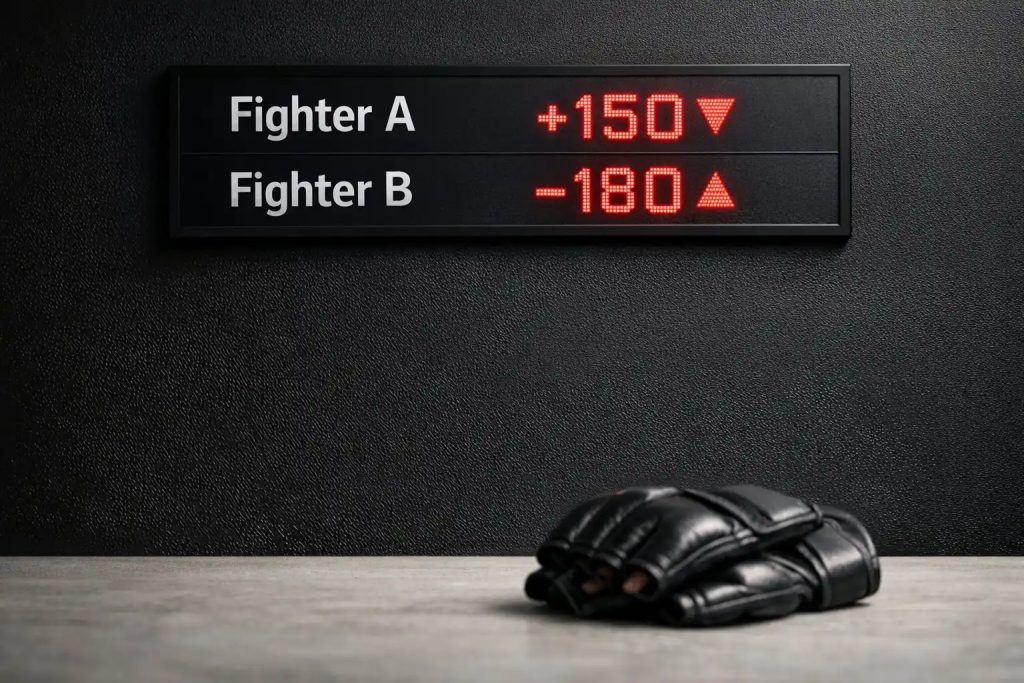
Understanding why odds shift before major MMA fights
MMA betting odds rarely remain static from their initial release to fight night, and fans closely monitor even minor line changes. Odds movement provides insight into market consensus and highlights which information bettors view as most influential. Examining the causes and implications of these shifts helps both fans and bettors interpret what the market signals before a high-stakes bout.
Betting odds for major MMA events frequently fluctuate in the days leading up to a fight, reflecting both new information and the varying opinions of market participants. Sports betting responds quickly to updates such as injury news or training reports, often prompting notable odds adjustments. Understanding the reasons behind odds movement, and what such changes suggest, can help readers evaluate market trends and avoid common misconceptions. For those closely following major MMA match-ups, interpreting line movement can deepen both understanding and enjoyment of the event.
What odds movement really indicates to observers
When an odds shift occurs before a major MMA event, it typically reflects a changed perception of probability, not a guarantee about the outcome. Bookmakers initially post lines based on in-house models and industry experience, but these prices adjust as bets are made and circumstances develop.
It is important to distinguish between small line adjustments and major swings caused by news or shifts in betting activity. Minor changes may suggest the market is balancing action, while significant moves can indicate new information about a competitor’s health or strategic status. Distinguishing between these helps clarify how the betting market reacts to evolving conditions.
The primary factors driving line changes
Odds movement in MMA is often a reaction to information about a fighter’s medical status. Reports of unconfirmed injuries, issues with a fighter’s weight cut, or last-minute medical updates can sharply affect betting lines. In these situations, experienced observers monitor how rapidly markets adjust to new details.
Reports about training camps can also influence odds, especially when credible footage, coach statements, or speculation based on public information emerges. Sometimes, factors like acclimation to altitude or travel arrangements shift odds in the lead-up to a fight. Additionally, market narratives often form around stylistic factors, such as a grappler versus a striker, which may lead to notable price adjustments.
Public perception is another influential factor, where viral performances or media hype can increase attention on particular fighters. This may introduce imbalances in the market, particularly if a well-known fighter enters a high-profile event amid heavy publicity. While the impact of experienced bettors can be considerable, last-minute wagers from a broad pool of bettors frequently alter the market in the final hours before a major fight.
How timing impacts volatility and corrections
When odds open at the start of fight week, there is often a period of fast market corrections as knowledgeable bettors act on perceived value. These early adjustments reflect updated or overlooked data that the opening line may have missed. Activity during these first few days can move odds quickly before they stabilize as more information becomes available.
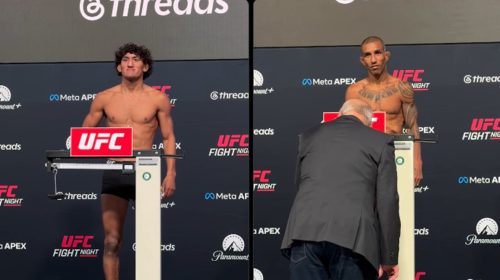
The midweek phase tends to be calmer, typically lacking sharp shifts unless unexpected news surfaces. However, as the event draws nearer, volatility often increases. Notable weigh-ins or late-breaking medical details in the final 24 to 48 hours can trigger sudden changes, with late betting activity sometimes outweighing earlier signals and introducing more uncertainty just before the fight.
Dispelling myths and reading shifts carefully
A common misunderstanding is that significant line movement guarantees a specific fight outcome, when it actually reflects shifting consensus about likelihoods. Attempting to imitate (or “chase”) sharp market moves in hopes of easy value, without reliable information, may lead to disappointment if the movement is based on incomplete data.
Reading pre-fight odds shifts carefully involves focusing on reliable sources and verifying whether the information prompting a change is well-supported. Distinguishing meaningful changes from background noise requires experience and caution, especially in a dynamic environment. Analytical interpretation helps prevent overreacting to temporary movements, keeping perspectives realistic and grounded in publicly available evidence.
Betting odds movement before major MMA fights provides a window into how the wider market processes information and updates perceived probabilities. By understanding line shifts and the factors behind them, observers gain a deeper appreciation for the dynamics affecting both the sport and the betting market.