














Evolution of Sponsorship in MMA: How Digital Platforms Are Reshaping the Financial Ecosystem of Combat Sports in 2026
Evolution of Sponsorship in MMA: How Digital Platforms Are Reshaping the Financial Ecosystem of Combat Sports
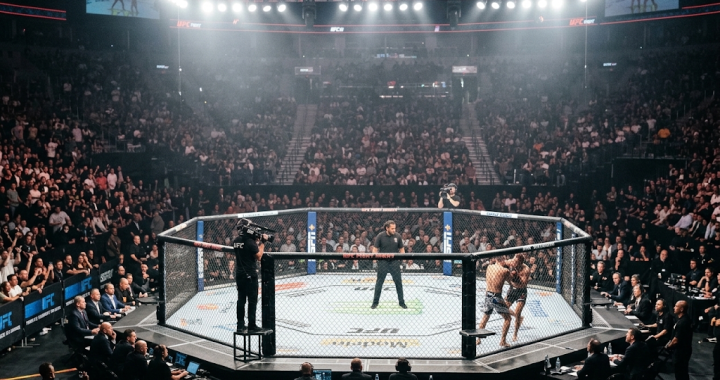
Over the past fifteen years, the mixed martial arts (MMA) industry has evolved from semi-underground tournaments into one of the fastest-growing and most commercially successful sports sectors in the world. As audience reach and television ratings expanded, the revenue structure of promotions and athletes transformed as well.
In the early days of MMA, fighters were primarily sponsored by local sportswear brands and supplement manufacturers. By 2026, however, the landscape looks entirely different. Global technology corporations, cryptocurrency exchanges, and large-scale entertainment ecosystems have moved to the forefront. Among them, the interactive platform Pinko stands out as a vivid example of how the digital sector is integrating into the combat sports industry.
This trend is not simply changing the logos displayed on cages and fight shorts — it is creating an entirely new model of interaction between athletes, fans, and businesses.
A New Era of Sports Marketing: Moving Beyond the Passive Model
Traditional sports marketing long relied on a so-called passive exposure model. Brands purchased logo placements on athletes’ apparel or within arenas, hoping viewers would notice them during television broadcasts.
However, the modern MMA audience primarily consists of people aged 18 to 35 who consume content through streaming services, social media platforms, and mobile applications rather than traditional television.
Under these conditions, the effectiveness of standard advertising banners has declined significantly. Digital brands have introduced the concept of engagement marketing into MMA. Instead of simply displaying logos, they create interactive experiences around fighters, including:
- Exclusive behind-the-scenes videos before tournaments
- Virtual autograph sessions and interactive fan polls
- Gamified applications where fans can predict fight outcomes and win real rewards
This approach allows high-tech brands such as Pinco to transform ordinary viewers into active participants within their digital ecosystems by offering experiences unavailable through traditional sports broadcasting.
Fighter Economics: Sponsorship Beyond the UFC
One of the most debated issues in mixed martial arts has long been fighter compensation. The strict sponsorship policies of the UFC, which limit third-party branding on official fight-week apparel, forced athletes to seek alternative monetization opportunities.
This is where international digital platforms began to play a critical role.
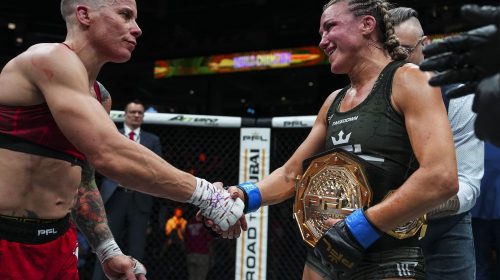
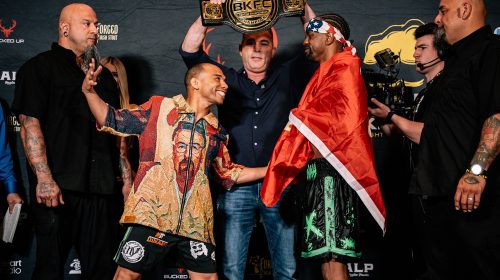
For fighters competing in organizations such as PFL, Bellator, ONE Championship, and major European promotions, direct contracts with digital brands have become a key source of financial independence. The entertainment industry is willing to invest substantial resources into charismatic personalities with strong media appeal.
Notably, the philosophy of the Pinco brand focuses not only on established champions but also on rising prospects. Sponsors evaluate not only athletic performance but also social media engagement, personal charisma, and the ability to generate media attention.
As a result, fighters gain stable income streams that allow them to hire elite coaches, nutritionists, and sparring partners, directly improving the quality of competition inside the cage.
Pop MMA and Influencer Marketing: Blurring the Boundaries
No discussion of current combat sports trends would be complete without mentioning the phenomenon of influencer boxing and pop MMA. Events featuring bloggers, rappers, and former MMA veterans often attract audiences comparable to professional tournaments.
For traditional conservative sponsors, this segment remained a “gray area” for years due to its unpredictable nature and aggressive trash talk culture.
For flexible digital companies, however, the market became a goldmine. Pop MMA audiences are deeply integrated into the digital world — they actively follow links, download apps, and participate in interactive campaigns.
Major industry players, including the Pinco brand, quickly realized that integrating into exhibition and influencer-driven events generates exceptionally high returns on investment. Interactive features that allow viewers to influence elements of live broadcasts or receive exclusive digital rewards have elevated influencer marketing in combat sports to an entirely new technological level.
Technological Integration: Big Data and Analytics
The partnership between MMA and the IT sector extends far beyond media advertising. Modern entertainment platforms possess advanced analytical tools and AI-driven algorithms capable of processing massive amounts of user data.
Promotions are increasingly using these technologies to better understand fan behavior and optimize their business strategies.
By leveraging Big Data analytics, IT specialists help tournament organizers:
- Optimize fight cards by predicting which fighter matchups will attract the greatest audience interest
- Target advertising campaigns based on geographic and demographic fan data
- Develop personalized offers for purchasing pay-per-view (PPV) broadcasts
Infrastructure solutions introduced by leaders in the digital market are transforming MMA from a traditional spectator sport into a fully customized digital product where each fan receives content tailored to their individual interests.
Conclusion
The MMA industry and the digital entertainment sector have formed an ideal symbiotic relationship. Mixed martial arts provide brands with something impossible to purchase through conventional advertising budgets — raw emotion, drama, and deeply loyal fan communities.
In return, technology companies provide the sport with capital and innovative tools for continued expansion.
The growth of partnership programs involving major players such as the Pinco brand demonstrates that the future of the sports business lies at the intersection of physical entertainment and virtual technologies. Promotions and athletes that adapt most effectively to the demands of the digital era and embrace modern marketing mechanisms will become the primary beneficiaries of the rapidly expanding global sports industry.