

















Sports Betting and Casino Gaming: Two Different Forms of Online Entertainment
Sports betting asks a person to read a match. Casino gaming asks a person to accept a random draw. Both happen on a phone screen, yet they feel nothing alike. One follows fixtures, injuries, odds moves, and stoppage-time drama. The other follows reels, cards, wheels, bonus meters, and strict return tables.
The split matters because people mix them up. A weekend football bet has a clock, a team sheet, and a final whistle. A slot spin lasts three seconds. So the mood changes. For a player checking an online casino listing for up x casino review notes, the useful details are license data, payment speed, and game providers, not league form or head-to-head records.
Stories about big casino wins on kazinoazerbaijan.net beside online slots games can sound exciting, but they still describe chance-based play. A betting slip has its own risk too, just with a different source: the event.
Where skill shows up, and where it stops
Sports betting contains decisions before the bet is placed. A bettor studies odds, weather, travel fatigue, suspensions, and market timing. None of that guarantees profit. It only shapes the price being accepted.
A guide that compares online casino choices with betting sites in Azerbaijan should make that line clear. Research helps a person avoid poor terms, slow payouts, or weak security, but it does not turn a roulette wheel into a puzzle with a hidden answer.
Casino tournaments near betting sites in Azerbaijan may also mention online casino without deposit offers, yet the games still use random number generators or live dealer rules. Blackjack has choices. Poker has opponents. Slots do not care who taps the button. Sports betting has more room for opinion, especially in niche leagues where public odds lag behind team news. Even there, the bookmaker margin sits in the price. The edge is hard to find. Harder to keep.
The clock changes the feeling
A match bet has a public timeline. A person waits for kickoff, halftime, injury time, or the ninth inning. The bet lives with the event. Friends may watch the same match and argue about a referee decision in real time.
Casino gaming is private and faster. A baccarat hand ends before a kettle boils. A slot can run twenty spins in a minute if autoplay is allowed, which makes bankroll loss feel less visible until the balance flashes red. That speed is the big emotional difference.
The schedule changes planning. A sports bettor may place two wagers on Saturday and close the app until the games finish. A casino player can open a lobby at 1:13 a.m. and start at once. No fixture list. No lineup announcement. The lower friction sounds convenient, but it demands firmer limits. A timer, a deposit cap, and a hard stop after a set number of rounds do more than vague promises.
Odds, return tables, and the house margin
A sportsbook posts odds that include a margin. If both sides of a tennis match look close to even, the book still prices them so the total implied probability rises above 100 percent. That extra slice is where the operator earns money over many bets.
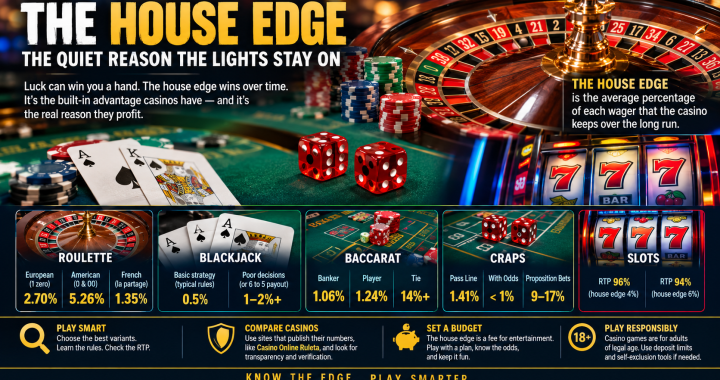
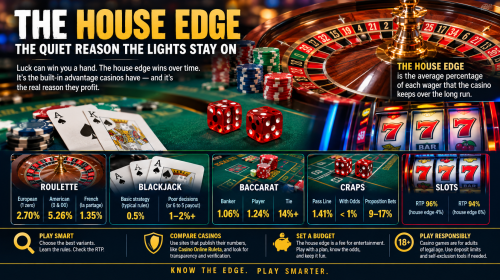
Casino games show the margin in another way. European roulette has one zero, so a straight bet pays 35 to 1 while the real chance is 1 in 37. The house edge is 2.70 percent. American roulette adds a double zero and pushes the edge to 5.26 percent. Clear numbers help.
Slots are trickier for casual players because return to player figures sit in help screens or provider sheets. A 96 percent RTP slot is not a promise to return 96 coins from every 100 coins on Tuesday night. It is a long-run calculation over huge sample sizes. Short sessions swing wildly. One person hits a feature in five spins; another gets silence for an hour.
Bonuses do not behave the same
Promotions look alike on a banner, but their rules bite in different places. A free bet usually returns only winnings, not the stake. A $20 free bet at odds of 2.00 gives $20 profit if it wins, not $40 cash. Small print matters.
Casino bonuses lean on wagering rules. A 100 percent match with a 35x requirement can demand thousands in turnover before withdrawal. Some games count less than others. Roulette might count 10 percent. Slots might count 100 percent. Live dealer games might count nothing.
The sticky part is pace. A sports bonus is tied to markets, minimum odds, and settlement. The player waits. A casino bonus invites repeated rounds, and a bored person can chase the requirement until the balance is gone. Good operators show progress bars and excluded games in plain language. Poor ones hide rules behind tiny icons and long pop-ups. The simple test is harsh: if the rule takes ten minutes to understand, the bonus is probably not worth the trouble.
Payments, identity checks, and quiet risk signals
Payment pages reveal more than logos. A serious site lists minimum deposits, withdrawal limits, fees, currencies, and expected processing times before registration. If a cashier only says “fast payouts,” suspicion is fair. Fast compared with what? Ten minutes and five business days are not the same promise.
Identity checks feel annoying, yet licensed operators need them before larger withdrawals. A passport scan, address proof, and card ownership check stop fraud and underage play. The problem starts when a site asks for new documents after every win or rejects clear files without a reason. That is a warning sign.
Sports bettors face one extra issue: bet limits. A book may accept small stakes during sign-up, then restrict accounts that beat soft lines. Casino players see limits too, but they appear as table caps, withdrawal ceilings, or maximum bonus cashout. None of these rules is exciting. They decide how entertainment feels after money is already locked inside the account.
A practical split for safer play
The cleanest habit is to separate the two activities before any deposit. Sports betting gets its own budget, built around events that a person actually follows. Casino gaming gets another budget, smaller for most people, because the rounds are faster and the feedback loop is sharper.
A weekly reset, every Sunday evening, keeps the decision tied to real income instead of last night’s rush. No exceptions after drinks. Ever.
Records help. A simple note on a phone can track date, stake, game or match, result, and mood. The mood part sounds soft, but it catches patterns. Betting after an argument, spinning slots after midnight, or raising stakes after two losses is data. Uncomfortable data, perhaps. Still useful.
Limits should match the format. Sports bettors need stake caps per event and a rule against chasing during live markets. Casino players need session timers and loss limits that close the account for the day, not a reminder that can be clicked away. Separate apps or browser profiles help too.
The safest mindset treats both as paid entertainment. A cinema ticket is not an investment. Neither is a parlay or a roulette spin. Before the next login, the practical question is simple: what amount can disappear tonight without changing tomorrow’s plans?