












UFC BJJ 12 and the Rise of Submission-Only Betting Markets
By Dean R. | Combat sports betting analyst, 6 years tracking grappling and MMA markets.
Submission-Only Cards Like UFC BJJ 12 Are Quietly Becoming a Betting Market of Their Own
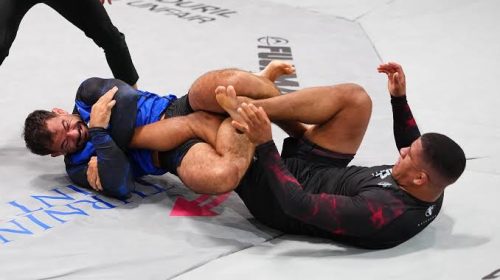
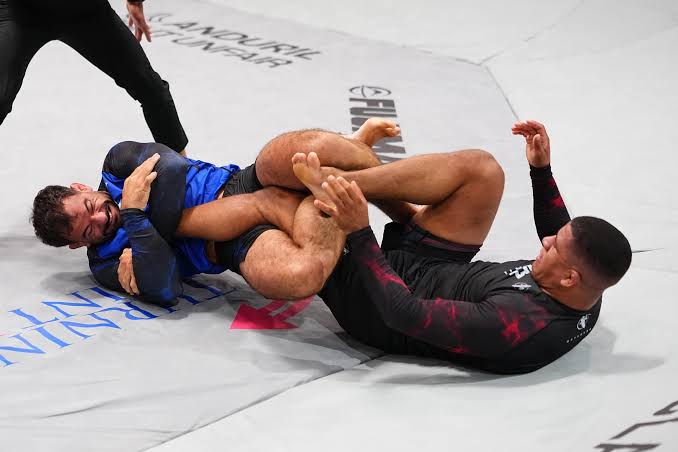
Moura tapped Fornarino in the second round. No judges were involved, because none were needed. That’s the whole premise of UFC BJJ 12, and it’s also exactly why the betting markets built around it look nothing like a normal UFC night.
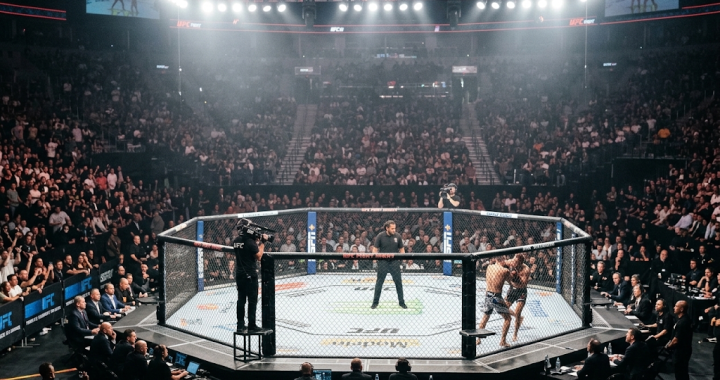
I watched the card from Meta APEX on October 8 with one eye on the live odds feed, mostly out of curiosity. The lines moved differently than they do in a standard three-round prelim. There’s no scorecard uncertainty baked into the price. A fight either ends in a tap, a choke, a cranked joint, or it goes to a draw. That binary structure changes how a bookmaker has to think about risk, and it changes how a sharp bettor should think about value too.
Standard MMA betting leans heavily on decision probability. Judges introduce noise. A fighter can win every exchange and still lose a split decision because one judge liked a takedown that did nothing. Submission-only strips that variable out entirely. Fornarino wasn’t trying to win rounds. He was trying to survive a kimura or escape it, full stop. That’s a cleaner signal for anyone pricing the fight, and it’s also a much harder one to model if you’re used to standard MMA data.
Tracking down operators who actually list these niche grappling markets isn’t as simple as opening whatever sportsbook app is already on your phone. Most mainstream books still treat BJJ Submission Only as an afterthought, if they list it at all. Finding real coverage usually means going somewhere that actually tracks niche combat sports markets, like https://dotesports.com/au/casinos, rather than hoping your go-to sportsbook bothered to price a Tuesday-afternoon grappling card.
Why Finish-or-Draw Changes the Math
Here’s the thing about judge-based scoring. It rewards activity, even low-value activity. A fighter who lands a takedown and does nothing with it can still win a round on some cards. That inflates the perceived chances of grinders and control fighters in a way that doesn’t always hold up when the pressure’s actually on.
Submission-only removes the grind-and-wait strategy almost entirely. Fornarino had no incentive to stall against the cage, because there was no cage and no clock saving him. He had to either finish Moura or get finished. That’s a format that rewards finishing instincts, scrambling ability, and submission defense specifically, not generalized grappling competence.
This matters for pricing because it compresses variance in one direction and expands it in another. Draws become more live than they are in standard MMA. BJJEE’s reporting on the sport’s professionalization notes that grappling promotions are drawing a younger, betting-curious audience precisely because the outcomes feel more honest. No judges means no controversy, and no controversy means the line reflects actual fight dynamics rather than scoring politics.
I’ll be honest, I underestimated how often these cards end in a draw before I started actually tracking results. Two elite grapplers who know each other’s games can spend 10 minutes in a stalemate neither one wants to break first. That’s a real outcome a book has to price, and it’s one a lot of casual bettors forget exists until they’ve already placed a moneyline bet with no draw option built in.
The Market Is Still Thin, and That’s the Opportunity
Submission-only grappling betting isn’t a mature market yet. UFC’s own recap of BJJ’s debut year makes clear this is a young product, still finding its footing inside the broader UFC ecosystem. Thin markets cut both ways. Odds can be mispriced because fewer sharp bettors are putting pressure on the line, which sometimes means better value. But it also means wider margins, lower limits, and books pulling markets entirely if volume doesn’t justify the overhead.
I’ve seen UFC BJJ cards listed on some books with three total markets: moneyline, method, and round. Compare that to a standard UFC main card, where you might get 40-plus prop options on a single fight. That’s not a flaw exactly. It’s just a sport still being figured out by the people pricing it.
The overall betting economy backs this up. U.S. Sports betting hit a record $16.96 billion in revenue in 2025, and niche verticals are where a lot of that growth is actually happening now that the mainstream sports are saturated. Grappling-only cards sit right in that expansion zone.
Short version: if you’re used to betting heavyweight boxing or a stacked UFC pay-per-view, this will feel sparse. If you’re used to finding value in under-covered markets, it’s one of the more interesting corners of combat sports betting right now.
What Actually Changes in Your Approach
Forget decision-based handicapping entirely. Watch tape instead for submission attempts per minute, scramble recovery, and whether a fighter has a history of being tapped versus simply outpointed. Those are completely different skillsets and the submission-only format punishes fighters who only have the second one.
Pay attention to weight and reach less than you would in striking-heavy MMA. Leverage and flexibility carry grappling exchanges in ways raw size doesn’t always predict.
Check the draw price specifically before betting the moneyline. If a book has draws priced at long odds because they assume finishes are inevitable, that can be the actual value bet on a card full of cagey, technically even matchups.
Frequently Asked Questions
What makes submission-only betting different from standard MMA betting? There’s no judges’ decision outcome to price. Fights end in a finish or a draw, which removes scoring controversy but adds real draw probability that casual bettors often forget to account for when picking a moneyline side.
Where can I find odds for UFC BJJ or other submission-only events? Most mainstream sportsbooks barely cover grappling-only cards. Dedicated directories that track niche combat sports betting markets, rather than general sportsbook apps, tend to have broader and more current listings.
Are submission-only grappling matches more predictable than standard MMA fights? Not necessarily. Removing judges actually increases draw likelihood between evenly matched grapplers, since neither fighter is rewarded for cautious positional control the way they would be under a scorecard system.
Why did UFC launch a submission-only BJJ format? It’s part of a broader push to professionalize grappling and bring BJJ’s biggest names into the UFC ecosystem, following growing fan demand for high-level jiu-jitsu outside traditional MMA cards.
Do submission-only cards attract the same betting volume as regular MMA cards? Not yet. Markets are thinner, with fewer total props and lower limits, though interest is rising as grappling promotions professionalize and draw crossover fans from both BJJ and wrestling audiences.
Submission-only grappling is still a side door in the combat sports betting world, not the main entrance. But doors like this are how niche sports build real markets, one undercard at a time. Gambling involves risk. Please play responsibly and only wager what you can afford to lose. If you feel gambling is becoming a problem, visit BeGambleAware.org or call 1-800-GAMBLER.