










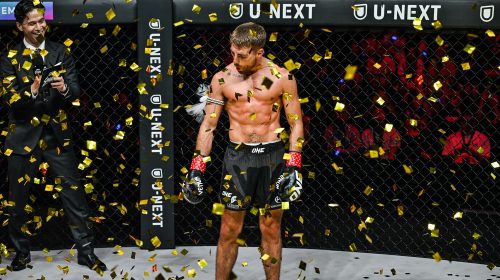
Who Really Sets The Odds? How Bookmaker Ratings Intersect With Fight Narratives, Market Bias, And Hidden Value In MMA
At first glance, MMA betting odds look like clean, mathematical reflections of reality. Fighter A is -200, Fighter B is +170, simple, right? Well, not quite. Beneath those numbers sits a layered system of probability modeling, public perception, and, occasionally, a bit of storytelling magic. Because here’s the thing: odds aren’t just predictions. They’re negotiations. Between data and drama, between bookmakers and bettors, between what should happen and what people believe will happen. And in a sport as chaotic as mixed martial arts, that gap can get… interesting.
The mechanics behind the numbers
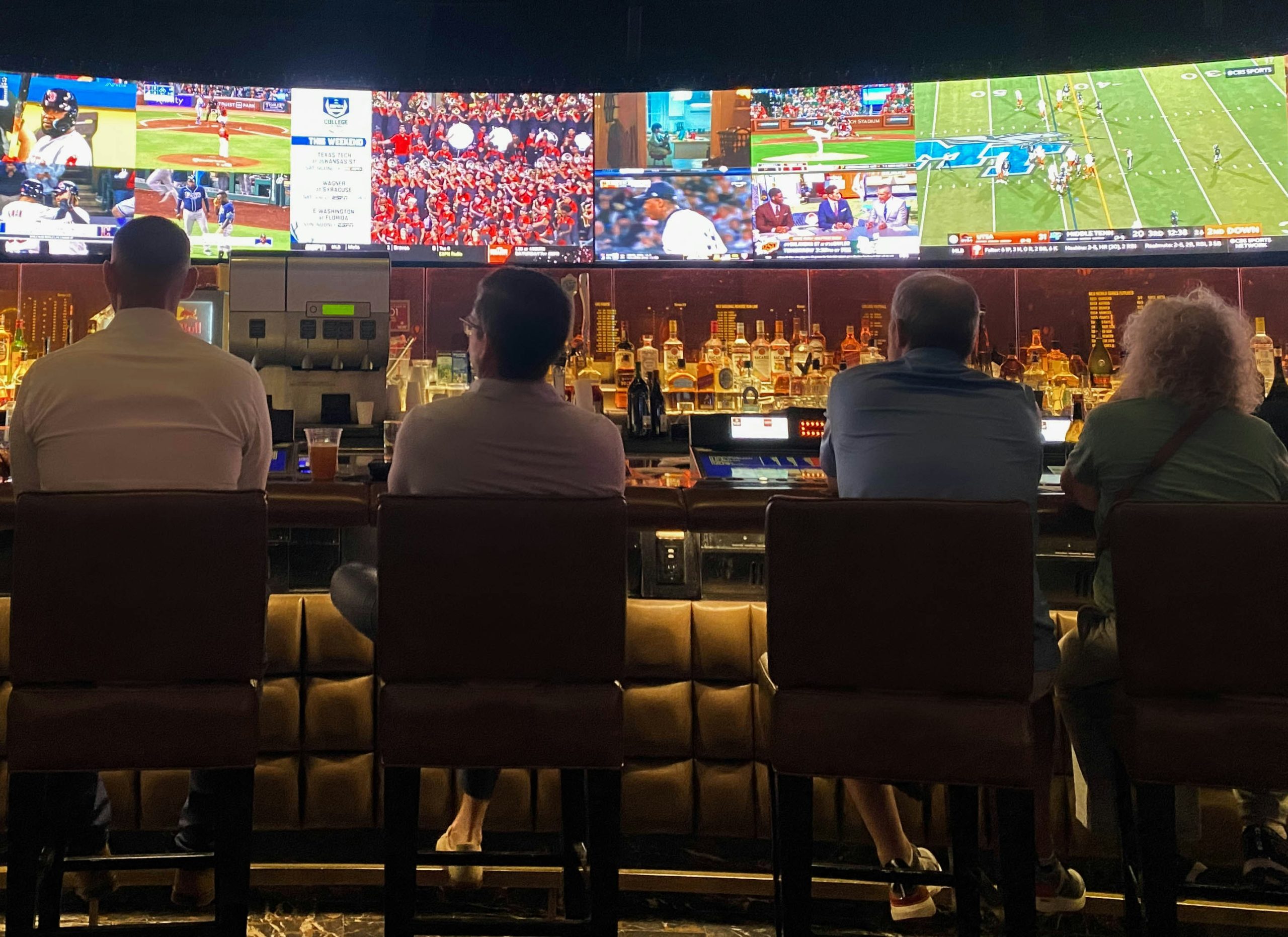
Bookmakers begin with raw probability models. These rely on measurable variables, strike differential, takedown accuracy, reach, and age curves. For example, fighters over 35 in lighter weight classes historically win less than 40% of bouts against younger opponents. That’s not opinion, it’s data. controlled chaos. A single punch can invalidate every model ever built. So bookmakers adjust. They incorporate stylistic matchups, camp changes, and even injury rumors when credible. True, some of these edges into interpretation. Still, the baseline remains statistical.
Where narrative begins to bend reality
Now comes the part that most casual fans overlook: public sentiment. Odds shift not just because of new information, but because of money. If a wave of bets floods in on one fighter, bookmakers adjust the line to balance risk. This is where bookmaker ratings subtly collide with storytelling. Some platforms even turn these shifts into structured comparisons, presenting odds movement alongside editorial analysis to guide user perception. A sudden spotlight finds a fighter after a knockout goes viral. Clips replay everywhere online. The noise grows loud across platforms. Now, fans pour attention toward them, placing bets fast – despite facing someone steadier in every area of combat. And here’s where the keyword quietly fits: bookmaker ratings don’t exist in isolation; they respond dynamically to how narratives inflate or deflate perceived value. Two powerful forces dominate MMA betting markets:
- Recency bias: fans overvalue what they saw last. A spectacular finish often outweighs years of inconsistent performance
- Name recognition: former champions or popular personalities attract money regardless of current form
Come to think of it, this explains why some fighters remain betting favorites long after their peak. The aura lingers, even when the data doesn’t support it.
Market inefficiencies: where value hides
In theory, betting markets should be efficient. In practice? Not always. Unlike major team sports with vast datasets, MMA has smaller sample sizes and higher variance. A fighter might only compete twice a year. That leaves plenty of room for mispricing. Sharp bettors, those who treat betting like analysis rather than entertainment, look for these gaps. They tend to focus on:
- Fighters with “boring” styles, grapplers, control-heavy wrestlers, who win consistently but lack hype
- Underdogs facing stylistically favorable matchups, even if their overall record looks weaker
Well, yes, it’s not glamorous. But it’s effective.
The role of fight camps and insider knowledge
Here’s something less talked about: not all information is public. Training camp changes, weight cut issues, and minor injuries can significantly affect performance. Bookmakers attempt to account for such factors, but they don’t always have perfect visibility. Occasionally, odds move sharply before official news breaks. Early moves usually point to sharp money getting involved. Think of it like this: when odds change fast without a clear cause, there’s unseen activity at play.
Style matchups: the quiet game changer
MMA is uniquely sensitive to stylistic dynamics. A striker with poor takedown defense can look unbeatable until they face a relentless wrestler. This is why two fighters with similar records can have vastly different odds depending on the matchup. Consider this simplified reality:
- Fighter A, 10-2 record, mostly knockouts
- Fighter B, 8-3 record, dominant grappler
If Fighter B neutralizes striking, the record becomes less relevant. Yet casual bettors often lean toward the more exciting fighter. Exactly, that’s where value emerges.
When odds become a story
Oddly enough, betting lines do more than follow stories – they shape them. When someone is a big favorite, people start believing the result is locked in. Experts say it. Crowd chatter picks it up. Come showtime, the finish seems already written. Yet mixed martial arts rarely obeys predictions. Upsets land in about three out of every ten bouts in top organizations. It happens more than you think – enough to make a difference. When disruptions strike, mismatched views usually lie behind them, not bad numbers.
Conclusion
Who truly shapes the odds? Bookies have a hand, yes. So do gamblers placing bets. Yet it’s never one force alone. A back-and-forth dance happens – driven by stats, minds, and narratives. Numbers appear exact at first glance. Still, they bend under habits, noise, dread, recollection, what people foresee. In a game where surprise rules every outcome, feelings tilt things more than formulas ever could. To anyone peering deeper, these figures are less about cost. They’re clues. Subtle hints about where logic ends, and narrative begins.