


MMA Fighters Who Played Poker Outside the Cage
MMA Fighters and Poker: UFC Stars Who Crossed Over to the Felt
Mental preparation is part of a fighter’s career outside of physical fitness. Elite fighters develop focus, control over risk, and ability to read an opponent — all skills easily applied to a poker table. Therefore it should be little surprise to anyone that several top MMA fighters have found that they enjoy playing poker, including those competing in televised tournaments and grinding cash games in Las Vegas. These sports worlds complement each other perfectly: poker rewards calculated aggression while punishing reckless decisions. An elite fighter who uses their knowledge of body language and time to identify his opponent’s next move will use the same instinctive thinking when considering calling a river bet. Poker allows fighters a place to direct their intense analysis during the off-seasons or when not training.
Ronda Rousey: Competing Beyond the Octagon
Ronda Rousey was the first female inductee into the UFC Hall of Fame and one of the best-known names in the last ten years of combat sports. She has talked openly about being interested in poker. In addition to participating in charity poker events, she has discussed learning the game seriously. Rousey takes on all activities with the same level of determination that allowed her to remain undefeated for almost three years as bantamweight champion. Her profile certainly raised awareness among American audiences about the connection between combat sports culture and the poker world, especially among fans who watched her grow up through Strikeforce and then into the UFC. Rousey’s aggressive mindset that drove her to compete relentlessly in the cage translated equally well to her studies at the poker table.
Conor McGregor and the High Stakes Attitude
UFC fighter Conor McGregor, perhaps one of the greatest financial successes of any fighter in the organization’s history, has taken photographs at poker tables in Las Vegas and has spoken to media outlets about playing at high-stake levels. McGregor’s demeanor — based on exuding self-assurance and exerting pressure on his opponents — translates just as naturally to the poker table as it does to the cage. McGregor has said that he views poker as merely another form of mental warfare, similar to what he engages in as a fighter.
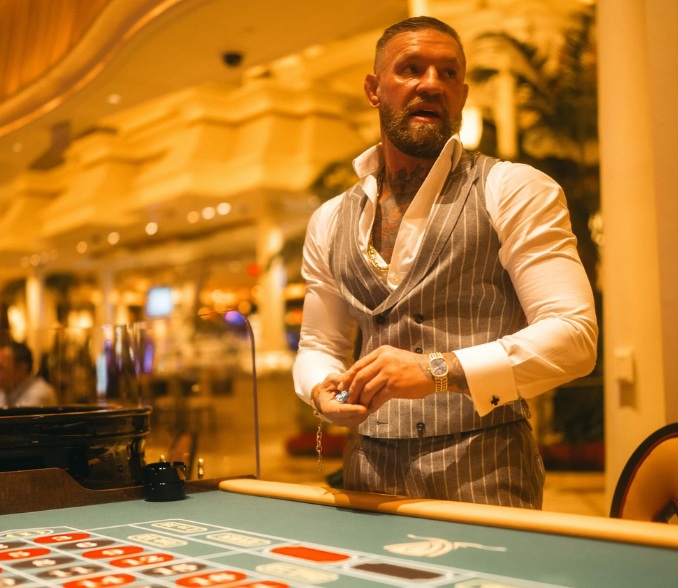
For U.S.-based followers who watch both sports, McGregor’s attendance at casino tables represents a link between two fan bases that continue to merge. Platforms like PokerKing serve in the same cross-over area, drawing competitors from sports circles who bring a strategic/competition-oriented mentality to the game versus simply recreational enjoyment.
Chuck Liddell and the Celebrity Poker Circuit
The U.S. had an explosion of poker popularity (boom) in the mid 2000s. In fact, it coincided perfectly with another explosion, the rise of mixed martial arts (MMA). One of those explosions was due to the Ultimate Fighting Championship (UFC), which became one of the fastest growing sporting organizations in history. It also included one of its biggest stars, former UFC Light Heavyweight Champion, Chuck Liddell.
Liddell, known for his knockout power, appeared in several major celebrity poker events during that time period. While he may be the most well-known example of a UFC fighter participating in celebrity poker events, he is by no means alone. During the peak of the mid-2000s poker boom, many other professional fighters from MMA and boxing participated in celebrity poker events. As with the UFC, these celebrity poker events were frequently televised and therefore offered a lot of exposure for professional fighters.
Why MMA and Poker Attract the Same Personality Type
Elite fighters and elite poker players are made up of similar personality types. These include:
- Emotional control under stress. When making a tough decision at the poker table we call it tilt; similarly when making a tough decision in the Octagon we call it going into survival mode. Elite fighters train themselves to remain focused on the process at hand when things get crazy around them. Likewise, elite poker players learn how to remain emotionally regulated and avoid impulsive decisions even when their bankroll is at risk.
- Opponent analysis. Identifying your opponent’s tendencies through reading body language and anticipating reaction times is key in both fighting and poker. Watching film of an upcoming opponent is something that all top level fighters do to develop an understanding of his weaknesses. Similarly, skilled poker players analyze their opponents’ playing habits (e.g., frequency of raising) and use that information to adjust their own strategy accordingly.
- Risk assessment. Aggressive play in the Octagon is just as likely to result in loss as conservative play. This same principle applies to aggressive betting in poker; if you’re betting too aggressively you’re bound to lose more often than not. Elite fighters know when to take risks, when to play safe and when to wait for opportunities to present themselves. Similarly, elite poker players recognize when to push chips into the pot and when to fold.
- Variance tolerance. Top level fighters know that there’s little correlation between preparation and outcome. Likewise, top level poker players recognize that variance is inevitable and that sometimes good players will experience bad streaks regardless of skill level. Both sets of individuals have developed mental tools to perform consistently despite unpredictable outcomes.
A Growing Cultural Crossover
Over the last ten years both the MMA industry and the poker industry have experienced explosive growth in audience size and exposure in the U.S. The UFC has been able to capitalize on this growth with significant TV deals and increasing popularity. Meanwhile the poker industry grew rapidly after Chris Moneymaker won the WSOP Main Event in 2003. By coincidence both audiences are very similar — they are young adults who enjoy competition and are willing to accept high levels of uncertainty when making decisions. As a result there has been a steady increase in crossover between fans of each sport. This has manifested itself in many ways — UFC fighters competing in poker tournaments, poker celebrities attending UFC fights, shared media attention etc.. Additionally many training camps now offer group card games as team building exercises — citing the mental toughness benefits of the activity along with the fun factor.