










Upcoming MMA Fights: What Fans Can Expect From the Next Big Matchups
Mixed martial arts rarely gives fans much time to settle in. One major event ends, another card starts taking shape and suddenly the conversation shifts toward the next group of fighters preparing to step into the cage. That constant movement is part of what makes MMA so engaging. There is always another matchup capable of changing a division, reviving a contender’s career or introducing a new name to a much larger audience.
The upcoming MMA schedule offers plenty for fans to follow, from established fighters defending their positions to rising competitors trying to move closer to title contention. Some bouts will revolve around technical matchups, while others will carry the weight of rivalry, rankings or career momentum.
Knowing what to watch for can make those fights much more interesting. A bout is rarely just about who lands the harder punch. Styles, preparation, recent form and the direction of an entire division can all shape what happens once the cage door closes.
Several Major Matchups Are Already Taking Shape
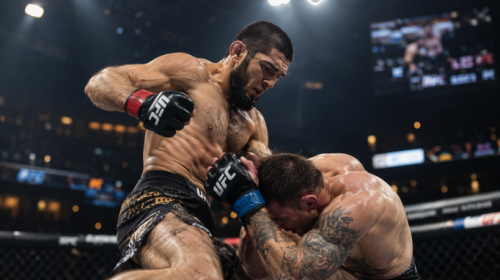
The next stretch of the MMA calendar includes a mix of high-profile events and cards that could produce important changes across several weight classes. UFC’s current schedule includes Noche UFC on September 12, followed by Van vs. Pantoja 2 on September 19 and additional events extending into October.
For fans, that means there will be very little downtime between meaningful fights. Some cards may attract attention because of the names at the top, but experienced MMA followers know that preliminary bouts can be just as important. A fighter ranked outside the immediate title picture can change that situation quickly with one dominant performance.
The official event listings on UFC.com are also useful for tracking confirmed cards, start times and changes as fight night approaches.
Cards frequently change because of injuries, medical issues or other circumstances, so the version announced several weeks beforehand may not be identical to the one fans eventually see.
Style Matchups Will Matter More Than Records Alone
Win-loss records provide useful context, but they rarely tell the whole story in MMA. A fighter can have an impressive record and still encounter serious problems when matched against an opponent whose strengths directly target a weakness.
Consider the difference between a pressure wrestler and a technically sharp kickboxer. The striker may look better when given space, especially if allowed to control distance with kicks and straight punches. The wrestler, meanwhile, may try to remove that space completely by pushing forward, forcing clinches and repeatedly threatening takedowns.
Neither approach is automatically superior. The important question is which fighter can impose the conditions that favor their own game.
That is why upcoming MMA fights are often best understood through individual skills rather than broad statistics. Takedown defense, striking accuracy, pace, submission awareness and the ability to recover after being hurt can sometimes reveal more than a fighter’s overall record.
A matchup between two aggressive strikers may appear likely to produce a fast finish, yet both fighters might become more cautious because they respect each other’s power. In another bout, a seemingly slow grappling contest could suddenly end with a submission after one small positional mistake.
MMA remains difficult to predict precisely because so many different skills are interacting at once.
Recent Form Can Reveal Where a Fighter Is Heading
Momentum matters, although it should not be viewed too simply. A three-fight winning streak sounds impressive, but the circumstances behind those victories are worth examining.
Did the fighter dominate three strong opponents, or did several of the wins come in extremely close decisions? Has the fighter recently improved a weakness that opponents previously exploited? Those details can offer useful clues about where a competitor currently stands.
The same logic applies to losses. One defeat does not necessarily mean a fighter is declining. Losing a competitive fight against an elite opponent can reveal more about a fighter’s ability than easily beating someone ranked far lower.
This is also where pre-fight analysis becomes more useful. Fans who enjoy evaluating upcoming matchups may look at recent performances, stylistic tendencies, and outside analysis such as Doc’s free betting picks to compare different perspectives before the event. No prediction can remove the uncertainty from MMA, but studying how different analysts interpret a matchup can help highlight factors that casual viewers might otherwise miss.
The goal is not simply to decide who will win. Understanding why a matchup is difficult to call often makes watching it more entertaining.
Rising Fighters Could Change the Rankings Quickly
Some of the most interesting upcoming fights will involve athletes who have not yet become household names.
MMA rankings can change quickly when a developing fighter strings together several convincing performances. Someone who begins the year competing outside the top ten can occasionally find themselves discussing a title opportunity months later.
That creates additional pressure for established contenders.
A veteran near the top of a division may have far more experience than an emerging opponent, but they also have more to lose. Defeating a newcomer might simply preserve their position. Losing could push them down the rankings and create space for younger competitors to move ahead.
Rising fighters also tend to bring uncertainty because there may be less evidence about how they perform under different conditions. A prospect who has dominated several opponents might look unstoppable until facing someone capable of surviving the early pressure.
That first difficult test often reveals whether the hype is justified.
Card Placement Does Not Always Determine Fight Quality
Fans naturally focus on main events and co-main events, yet memorable fights can appear anywhere on a card.
Preliminary fights frequently involve athletes trying to establish themselves, which can create a different kind of urgency. These fighters may know that an exciting performance could earn them a better opponent or a more prominent position at their next appearance.
At the same time, experienced fighters competing earlier on a card can still produce technically excellent bouts.
This is one reason watching a complete MMA event can offer more than tuning in for the final two fights. Early bouts provide a chance to see developing fighters before they become contenders, while different weight classes and fighting styles keep the event varied.
A card that looks modest on paper can sometimes become one of the most entertaining events of the season.
Expect Surprises, Because MMA Rarely Follows a Script
Every MMA card contains uncertainty. That remains true regardless of rankings, records or pre-fight expectations.
A favorite can dominate most of a fight and still lose after one mistake. An underdog can reveal an improved skill that dramatically changes the matchup. A carefully planned strategy can disappear after the first hard exchange.
That unpredictability is not a weakness of the sport. It is one of its defining features.
The upcoming MMA fights should therefore be viewed as more than a sequence of winners and losers. Each bout provides information about where fighters are developing, which styles are succeeding and how individual divisions may evolve over the coming months.
Some performances will confirm what fans already believe. Others will change the conversation completely.
For anyone following the next round of events, the best approach is to pay attention to the details behind each matchup. Records matter, rankings matter and physical ability certainly matters, but MMA is often decided by preparation, timing and the ability to adapt when the original plan stops working. That is exactly what makes the next group of fights worth watching.