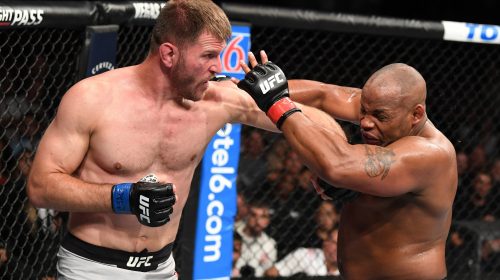




















How UFC Fighter Pay Really Works: Why Earnings Depend on More Than the Result
A UFC fighter’s payday is rarely just win money. Contracts are built around a base purse plus a matching win bonus, so a fighter who loses can still earn the disclosed minimum, while a winner effectively doubles that base figure. This two-tier structure, reported to athletic commissions after every card, explains why two fighters on one card can leave with very different totals despite similar records.
On top of the base purse, the promotion hands out bonuses that are not tied to the win or loss column at all. Fight of the Night and Performance of the Night awards have been standardized at 50,000 dollars each since 2014, and they go to fighters regardless of outcome if the bout or the finish stood out. A losing fighter with a highlight-reel knockout attempt can outearn the night’s official winner once bonuses are added.
Interest in these payout mechanics extends well beyond hardcore fans, since fight economics shape how casual viewers frame a card before it starts. A fighter with a reputation for bonus-worthy performances tends to draw heavier betting interest simply because volatility and finishing ability matter to bettors as much as a clean win-loss record. Platforms such as 1xBet list UFC moneylines and prop markets built around exactly that kind of fighter profile, rewarding aggression rather than a cautious path to a decision. Overlap between fighter style, bonus eligibility, and betting markets is part of why payout structures get scrutinized fight by fight, not just after the fact.
Why the Disclosed Purse Is Only Part of the Story
State athletic commissions publish only the base purse and win bonus, not sponsorship income, pay-per-view points, or locker room bonuses handed out privately after a card. This gap explains why a reported six-figure purse for a mid-tier fighter can look modest next to what top-billed stars actually take home once every revenue stream is combined into one total.
Sponsorship: From Reebok to Venum
Between 2015 and 2023, the UFC’s exclusive Reebok apparel deal replaced individual fighter sponsorships with a tiered payment scale, ranging from roughly 2,500 dollars per fight for newcomers up to 40,000 dollars for champions and long-tenured veterans. Fighters and managers criticized the deal for cutting outside sponsorship income that had previously supplemented purses.
The UFC replaced Reebok with Venum in 2023, keeping the same tenure-based logic but raising payouts across most tiers. Fighters are compensated per fight based on how many UFC bouts they have had rather than by name recognition alone, so a journeyman with a long UFC tenure can out-earn a newer fighter on the same card through kit money alone, even before purses are counted.
Pay-Per-View Points and the Top of the Card
A small group of headline-level fighters negotiate a cut of pay-per-view revenue on top of their purse, a term the UFC rarely confirms publicly. Conor McGregor’s contract before his 2018 bout with Khabib Nurmagomedov reportedly included such points, which is part of why his officially disclosed purse never matched independent revenue estimates for that event.
This arrangement is not standard across the roster. Most fighters, including many ranked contenders, are paid strictly on the base-plus-bonus model with no PPV upside, which is one reason fighter pay as a share of overall UFC revenue has been estimated by industry analysts at well under the 50 percent norm common in leagues like the NFL or NBA over recent years.
Structural Factors That Shift Earnings
- Contract tier: fighters typically move through multi-fight deals with step-up purses tied to win totals
- Locker room bonus: discretionary payments announced by UFC president Dana White after select events, not disclosed to commissions
- Rankings placement: a top-15 ranking can trigger renegotiated purses even without a title shot
- Card position: main and co-main event slots carry separate marketing payments beyond the base purse
These variables interact in ways that make pay hard to predict from a fight poster alone. A ranked contender headlining a Fight Night card in a smaller market can earn less than an unranked fighter on a pay-per-view undercard with a favorable PPV clause, simply because the revenue pool behind each event differs so much from one card to the next across the calendar.
What a Full Fight-Week Payout Can Include
- Disclosed base purse reported to the athletic commission
- Win bonus, typically matching the base purse dollar for dollar
- Performance-based bonus (Fight of the Night or Performance of the Night, 50,000 dollars each)
- Apparel payment under the Venum deal, scaled by UFC tenure
- Undisclosed locker room bonus, at the promotion’s discretion
Adding these layers together shows why comparing two fighters by purse alone is misleading. A fighter earning a modest base purse can still leave an event with total earnings several times higher once bonuses, apparel pay, and discretionary awards are combined, while a higher-purse opponent on the same card might collect nothing beyond the disclosed figure.
Why This Matters for the Sport’s Economics
Critics, including several retired champions, have pointed to the gap between UFC’s overall valuation, reported in billions of dollars following its 2016 sale and subsequent Endeavor ownership, and the modest disclosed purses for undercard fighters. That gap has fueled debate over whether mixed martial arts should be covered by boxing-style revenue-sharing legislation such as the Ali Act.
Until any such regulatory change occurs, fighter income will keep depending less on a single result and more on tenure, bonus eligibility, card placement, and negotiated upside clauses. Understanding that layered structure is what separates a fighter’s official purse from what actually lands in their bank account once a fight week finally concludes.