











What to Know Before Betting on Combat Sports Events
A split decision after three tight rounds can swing a ticket from joy to regret. Small details matter in combat sports, and many are visible before the cage door closes.
You can do the legwork yourself, or you can lean on a trusted sports tipster who tracks camps, injuries, and market moves in real time. Either way, you need a clear plan, sound sources, and a steady stake size that you will not chase.
Know How Judges Score Fights
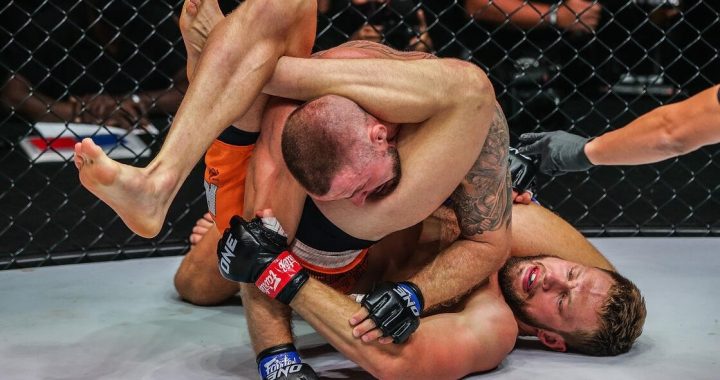
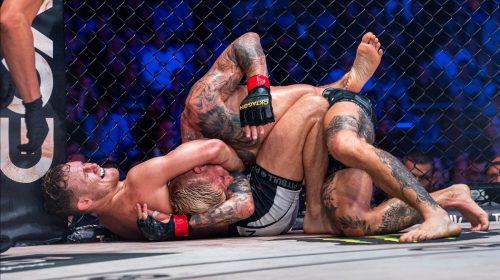
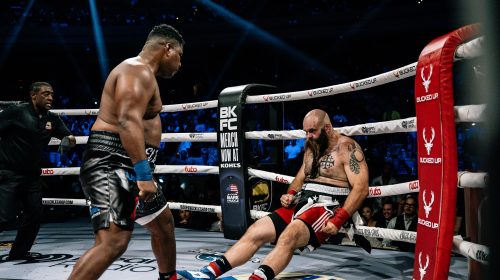
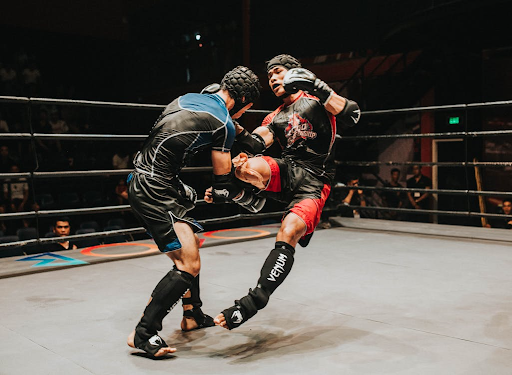
Many bettors talk about knockdowns, then forget that long stretches are scored for control and damage. The Unified Rules emphasize effective striking and grappling, followed by aggression and area control. If a fighter lands fewer shots, yet causes more visible damage, that round might tilt their way.
Different athletic commissions have small differences in practice, and judge tendencies vary by region. Study recent cards in the location you are betting, then note how often clinch control wins rounds without much damage. If you see wide variance in cards, tread lightly with heavy favorites who win by volume alone.
A good pre-bet routine includes watching at least one full fight for each athlete from the last twelve months. Note the final minute of rounds, late attempts at takedowns, and cage control near the horn. Close rounds often hinge on late optics, which alter the score in ways that pricing sometimes misses.
Watch Weight Cuts And Medical Suspensions
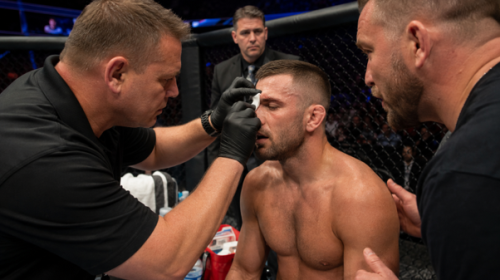
A rough cut can drain gas, soften punch resistance, and slow hips on sprawls. Look for midweek photos, missed first attempts, and signs of distress on the scale. If a fighter leaves the stage shaking, or avoids media, flag that bout as higher variance.
Always check recent injuries, mandated rests, and clearance rules from state commissions before placing a bet. Nevada publishes rules and medical notices that show how suspensions work after knockouts or cuts, which hints at recovery timelines for returning athletes. If the return window seems short, price in the risk of a slower start and late fade.
Camp changes matter as well. A fighter moving camps might gain better partners yet lose reps on their best weapons. Review pads footage, coach quotes, and sparring rumors with caution, and update only when you see those changes show up in live exchanges.
Late Notice Bouts and Disrupted Camps
Short-notice replacements change the shape of a fight. A striker stepping in for a grappler turns a scheduled grind into a range duel. Books adjust, but the first move is not always right, especially on regional names without deep tape.
Track opponents who faced travel issues, visa delays, or canceled flights. Missed peak sessions push conditioning down and increase round-to-round variance. That can boost the value on over totals if both sides slow late or widen the live-bet window for fresher athletes.
Pay attention to coaches who handle travel-heavy schedules during busy months. Teams juggling corner work across cards might split focus. If your read depends on a minute-by-minute game plan, a distracted corner can ruin the edges you thought you had.
Data That Matters, Not Noise
The right numbers help you spot lines that drift without reason. Build or use sheets that capture a few stable indicators, then ignore the rest.
- Distance striking accuracy and defense in similar matchups.
- Takedown entries that lead to control time, not just attempts.
- Round-to-round pace drops after hard grappling exchanges.
- Knockdown rate adjusted for fight length and opponent level.
Video still rules the day, so pair those stats with clear film notes. If the numbers like a wrestler, yet the tape shows slow entries against southpaws, pass or reduce exposure. Keep your model simple and repeatable, and let your best positions come to you rather than forcing action.
Bankroll, Markets, And Timing
Price first, result second. Set a fair line for your read, then bet only if the market gives value. If your price says +140 is fair and the book offers +170, that is a bet. If it moves to +135, you pass without regret.
Spread risk across methods that fit the matchup. If the favorite controls position, the decision line might pay better than the moneyline. For volatile hitters, consider smaller stakes on inside-the-distance props, then look for live opportunities if the first-round stalls.
Protect your roll with caps on unit size and limits on daily action. Keep a log of bet type, closing price, and your pre-fight notes. Review wins and losses by decision type and round, and study whether your edge came from number drift or real matchup reads. For injury awareness and head trauma basics that inform layoff expectations, review public guidance from the CDC on concussions and recovery windows.
Where A Trusted Tipster Adds Real Value
You can track weigh-in tells, judge habits, and line moves on your own. A credible network speeds that work by surfacing early alerts, historical matchups, and closing price comparisons. That is where a seasoned analyst or a proven platform earns its keep.
A strong service tags late replacements quickly and updates stylistic notes before casual bettors catch up. It logs live odds swings with timestamps, then flags where the market tends to overcorrect. It also tracks judge patterns in common venues, which helps you size positions for likely scorecards.
Use those inputs to refine your shortlist, not to replace your view. Compare their read to your tape, keep your unit size steady, and pass when the two disagree without clear reason. Long term, trust the process more than any single pick, and treat every alert as one input in a careful plan.
A Practical Way To Close The Gap
Combat sports reward preparation more than hot takes. Learn how cards are scored, study camps and cuts, price the market with discipline, and stick to your unit size. Add timely intel from a reliable network or a proven sports tipster to sharpen your entries, then let the numbers and the tape do the rest.