










How Real-Time Data Is Changing the Way Fans Experience Fights
Fight night has always had its own rhythm. The walkouts. The first exchange. The scramble that makes everyone lean forward. The debate over whether that round was really 10-9 or something closer. For a long time, fans had only what they could see, hear, and argue about afterward.
Now, there’s another layer sitting beside the action.
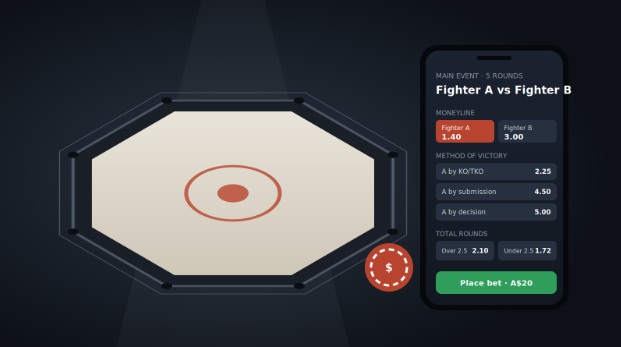
Live stats, shifting odds, round-by-round markets, injury updates, broadcast graphics, and instant reactions are changing how fans experience fights in real time. This is especially clear across sportsbook platforms, where systems such as the https://kanggiten.com/turnkey-igaming-platform/ show how fight engagement is moving beyond pre-fight picks and into the moments between strikes, takedowns, and momentum swings.
That matters in MMA because one moment can flip everything. A fighter can lose four minutes of a round, land one clean shot, and suddenly the whole conversation changes. Fans are no longer just watching that shift happen. They’re tracking it, comparing it, betting around it, and reacting to it before the next round even starts. MMA media brands like MMA Fighting (Wiki) helped normalize that always-on fight coverage culture — and real-time data is now pushing it even further.
Why Live Fight Data Feels Different in MMA
Real-time data has changed many sports, but MMA is a special case because the action is harder to measure cleanly. In basketball, a three-pointer is obvious. In football, yards and downs tell a clear story. In MMA, the same exchange can mean different things depending on control, damage, position, pressure, and what came before it.
That’s why live fight data doesn’t replace the fan’s eye. It adds context.
A fighter may be outlanded on paper but still controlling distance. Another may win the grappling exchanges without doing much damage. A sudden odds shift might tell fans that the market sees something they missed — maybe a cardio drop, a limp, or a change in corner advice between rounds.
For fans, this turns watching into a more active experience. They are not just asking, “Who won that round?” They are asking:
- Did the stats match what I saw?
- Why did the live odds move after that exchange?
- Is the fighter slowing down or setting a trap?
- Are judges likely to value control or damage here?
That second-screen habit has made fights feel more layered. The broadcast shows the action. Data gives fans something to test against their own read of the fight.
From Passive Watching to Active Reading
The biggest change is not that fans have more numbers on the screen. It’s that they now use those numbers while the fight is still developing.
A decade ago, most reactions came after the round ended. Fans waited for the replay, listened to commentary, then argued online about what the judges might be seeing. Today, that debate starts almost instantly. Significant strike counts, control time, submission attempts, live betting lines, and fan polls all shape the conversation before the stool even hits the canvas.
That creates a different kind of viewer. Not necessarily a better one — but a more involved one.
Some fans use live data to confirm what they already feel. Others use it to challenge their own read. If a fighter looks dominant but the odds barely move, that raises a question. If the stats favor one athlete while the commentary leans the other way, fans notice. Suddenly, watching a fight becomes less about waiting for the result and more about reading the small signals that lead there.
This is where real-time data fits MMA so naturally. The sport has always rewarded close attention. Now, fans have more ways to measure what they think they’re seeing.
How Sportsbook Platforms Are Changing Fight Night Habits
Live data has also changed what fans do between rounds.
Those quiet sixty seconds used to be for replays, corner audio, and quick predictions. Now, that break is often when fans check live markets, compare odds movement, and decide whether the fight is playing out the way they expected. The betting conversation doesn’t stop once the cage door closes. In many cases, that’s when it really begins.
This is one reason modern sportsbook platforms have become part of the fight-night routine. They are no longer just places to make a pick before the main card starts. They now act more like live companion screens, showing how momentum, public reaction, and market confidence shift as the bout unfolds.
For MMA, that matters because the sport rarely moves in a straight line. A wrestler can dominate early, then fade. A striker can lose minutes, then find the timing. A favorite can look safe until one bad scramble changes everything. Real-time markets give fans another way to follow those swings — not as a replacement for watching, but as a different lens on what is happening.
What Real-Time Data Adds Beyond Betting
It would be easy to make this only about betting, but that would miss the bigger point. Real-time data is changing fight fandom even for people who never place a wager.
For some fans, live statistics make the technical side of MMA easier to follow. Control time explains why a grappler may be winning a round that looks quiet. Strike accuracy can show why one fighter is landing cleaner, even if the volume is lower. Round-by-round data helps newer viewers understand why a close fight may not be as controversial as it first appears.
For others, data makes the social side of watching more intense. Fans can post screenshots of live odds, compare stats during the broadcast, or argue about judging criteria before the official scorecards are read. The conversation moves faster because the information does too.
That creates a few clear changes in fight-night behavior:
- Fans react to momentum shifts earlier
- Close rounds become easier to debate in detail
- Technical fighters get more visible credit for small advantages
- Post-fight arguments start before the fight is even over
In other words, real-time data does not remove emotion from MMA. It gives fans more fuel for it.
Why This Changes the Role of Commentary
Real-time data also puts more pressure on commentary teams and analysts. Fans can now see enough information to question the story being told on air. If the broadcast says one fighter is pulling ahead, but the numbers show a close striking battle and limited damage, viewers catch the gap quickly.
That does not make commentary less important. If anything, it makes good commentary more valuable.
Numbers still need interpretation. A takedown late in the round may look important, but did it lead to control or damage? A fighter may have more total strikes, but were they clean or mostly blocked? Live data gives fans clues, while analysts help explain which clues actually matter.
The best fight coverage now works like a conversation between what fans see, what the data shows, and what experienced analysts can explain. When those three line up, the viewing experience feels richer. When they don’t, the debate gets louder — and in MMA, that debate is part of the fun.
Where Fight Data Goes Next
The next stage will not be about showing fans more numbers. There are already enough numbers on screen. The real shift will be deciding which data matters in the moment.
That could mean cleaner live graphics during broadcasts, better round-by-round explanations, or sportsbook platforms that make live markets easier to understand without overwhelming casual fans. The goal is not to turn every viewer into an analyst. It is to help fans follow the fight with sharper context.
We may also see more data tied to specific fight styles. Grappling-heavy bouts, for example, need different context than striking battles. A control-based performance should not be explained the same way as a kickboxing-heavy war. If platforms and broadcasts can adjust the data layer to match the type of fight, fans will get a clearer read of what is really happening.
And that is where the fan experience is heading: not just more information, but better timing, better context, and less confusion during the moments that decide a fight.
Conclusion: The Fight Is Now Bigger Than the Broadcast
Real-time data is not changing why people love MMA. Fans still come for the danger, the skill, the tension, and that familiar feeling that one clean shot can flip the whole night.
What has changed is how closely they can follow the fight as it turns.
A close round no longer ends with only a gut feeling. Fans can compare strike counts, check live market movement, replay key moments, and jump into the debate before the next round begins. Sportsbook platforms have added another layer to that behavior, making fight night more interactive without pulling attention away from the cage.
That is the real shift. Data is not replacing instinct. It is giving fans something to test their instincts against.
The best version of this new fight-night experience is not overloaded with numbers. It gives fans context when the moment needs it, stays out of the way when it does not, and makes every round easier to read without making MMA feel less raw.